Brendan Carr Disney FCC Showdown Marks New Phase in Trump’s War on Media
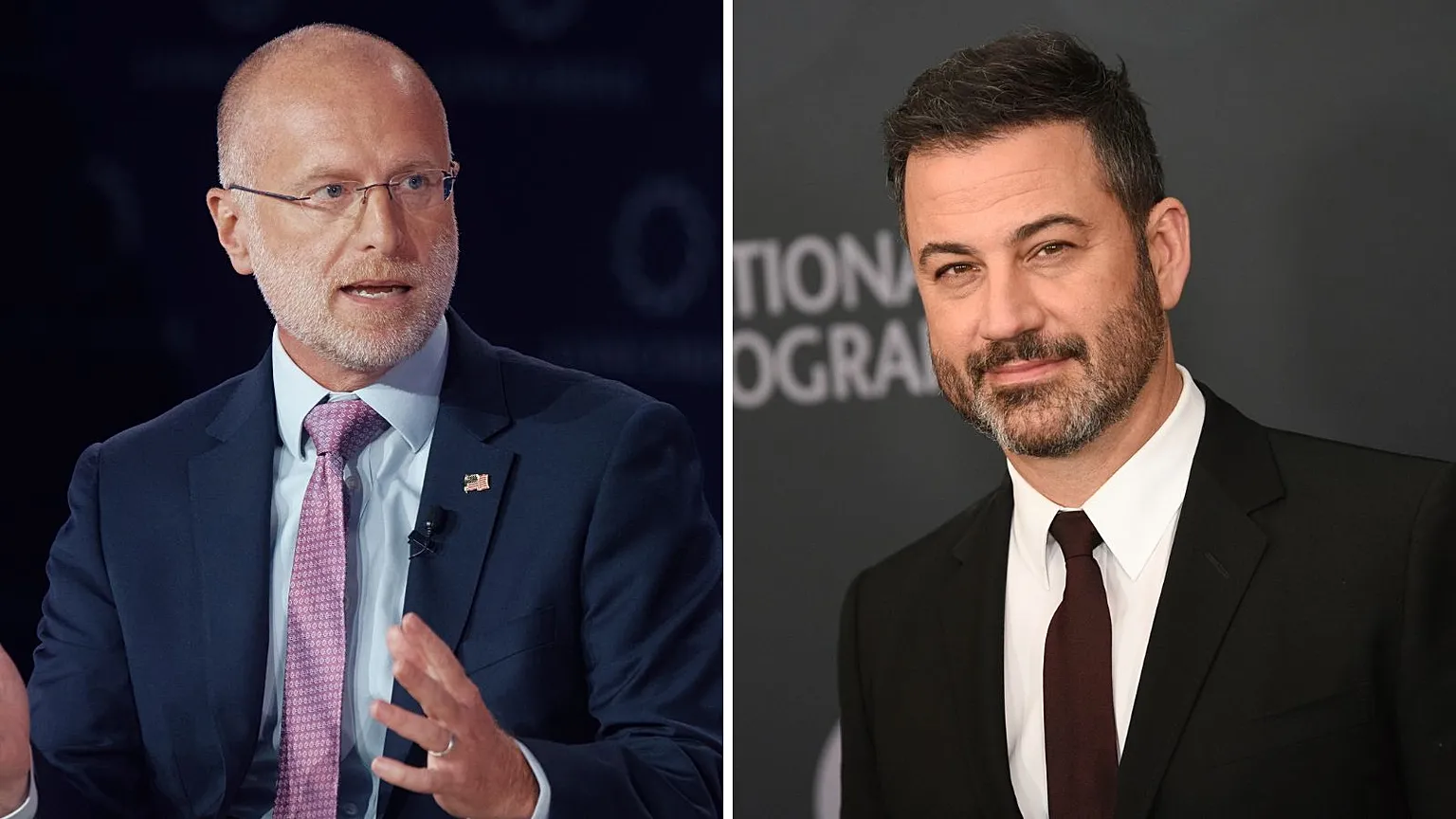
The escalating clash between Brendan Carr Disney FCC critics and the entertainment giant has hit a striking new milestone. On Tuesday, FCC Chair Brendan Carr dramatically escalated President Donald Trump’s long-running feud with major broadcasters by ordering an early review of the broadcasting licenses held by Disney’s eight ABC-owned television stations — a move many believe represents the boldest action yet by the agency to follow through on Trump’s repeated threats against networks he dislikes.
The decision sent shockwaves through the media industry, raising fresh concerns about press freedom, regulatory overreach, and the increasing political weaponization of federal agencies.
A Surprise Order That Caught Disney Off Guard
Carr’s order, issued without warning, demands that Disney’s stations submit license renewal applications years before they would normally be due. The official explanation pointed to an ongoing FCC investigation into Disney’s diversity, equity, and inclusion (DEI) practices, accusing the company of potential “unlawful discrimination.”
But few in Washington are buying that as the full story.
The timing of the announcement is highly suspicious. Just one day earlier, President Trump and First Lady Melania Trump publicly demanded that ABC fire late-night host Jimmy Kimmel over a controversial joke. During a sketch previewing the White House Correspondents’ Dinner, Kimmel quipped that the first lady looked like “an expectant widow” — a remark that drew fierce backlash, especially after a shooting broke out at the event later that weekend.
The president called the comment a dangerous incitement to violence. Kimmel, however, defended himself the following Monday, explaining that the joke referenced the well-known age gap between him and the first lady, not anything sinister.
Critics See a Free Speech Crisis Unfolding
Legal analysts and policy experts say the optics are impossible to ignore. Jeff Westling, a senior scholar at the International Center for Law & Economics and a former Carr staffer, openly questioned the official rationale.
According to Westling, the DEI justification is hard to take seriously. The real driver, he argued, appears to be the president’s frustration with media coverage — and the FCC seems willing to act on that displeasure. He warned that this represents a troubling moment for free speech in America.
An FCC spokesperson, who insisted on anonymity per agency practice, pushed back firmly. The official said the early renewal review stems from a long-running investigation into Disney’s DEI conduct and has nothing to do with Kimmel or any specific broadcast content.
Still, the broader pattern is hard to dismiss.
A Sharp Departure From Past FCC Practice
This new approach signals a major shift from how previous FCC leaders handled similar situations. During Trump’s first term, then-Chair Ajit Pai famously refused to act on the president’s complaints about networks. Pai stated bluntly that the agency lacks legal authority to revoke a station’s license based on news content.
Carr, however, has taken a much more aggressive view. He has long argued that the FCC has been too passive in enforcing rules around fairness, accuracy, and the public interest. Under his leadership, the agency has used a wide range of regulatory tools — from merger reviews to programming guidance — to push companies away from diversity initiatives and toward more politically balanced lineups.
Last month, Carr signed off on a major $6.2 billion merger between Nexstar and Tegna, two large conservative-leaning broadcast operators. Critics argue the merger gives right-leaning media executives more leverage against networks like ABC.
The Stations on the Line
The eight Disney-owned stations under FCC scrutiny are no minor assets. They reach into many of the largest television markets in the country, including New York, Los Angeles, Chicago, and Philadelphia — six of them sitting within the top ten markets nationwide. Losing or weakening these licenses could deal a substantial blow to Disney’s broadcast footprint.
In response, Disney issued a statement defending its qualifications and pledging to demonstrate its compliance through appropriate legal channels. But experts warn the road ahead could be lengthy and difficult.
ABC must file its renewal applications by May 28. From there, Carr has the authority to send the matter into an administrative hearing — a slow, costly process that could stretch on for years before potentially landing in federal court.
Limited Options for Disney to Fight Back
Veteran communications attorney Andrew Jay Schwartzman, a senior counselor at the Benton Institute for Broadband & Society, said the procedural path is harsh by design. The FCC could renew Disney’s licenses on shortened, probationary terms instead of the standard eight-year period, creating ongoing uncertainty.
Schwartzman emphasized that there are very few opportunities to challenge Carr’s actions early in the process. The legal expense, time investment, and procedural barriers themselves serve as a form of pressure — even if the underlying case ultimately fails on legal grounds.
A Divided Conservative Response
Interestingly, not all conservatives are cheering Carr on. Senate Commerce Chair Ted Cruz previously slammed Carr’s threats against broadcasters as deeply dangerous when the chair pressured ABC over Kimmel’s earlier remarks about the death of conservative activist Charlie Kirk. That earlier episode resulted in a six-day suspension for Kimmel.
Conservative commentator Glenn Beck also weighed in this week. While Beck personally believes ABC should part ways with Kimmel, he made it clear that he opposes the idea of the federal government — let alone the president himself — pressuring broadcasters into firing on-air talent.
Meanwhile, Democrats have seized on the moment. Olivia Troye, a former Trump administration official now running for Congress in Virginia, warned that the First Amendment cannot survive if the government can punish broadcasters over disliked content. She added that every broadcaster in America is watching closely.
What Comes Next
Carr appears far from finished. He has hinted at upcoming FCC moves, including making it easier for local stations to preempt national programming and reviving long-dormant disclosure rules around political fundraising — a regulation that could potentially affect Kimmel, who has hosted Democratic fundraising events.
For now, Kimmel remains on the air. But with the Brendan Carr Disney FCC battle unfolding rapidly, the broader fight over media power, political influence, and free speech in America is only intensifying — and the consequences could shape the broadcast landscape for years to come.
Author