Elon Musk OpenAI Lawsuit Heads to Court as Tech Billionaire Takes the Stand
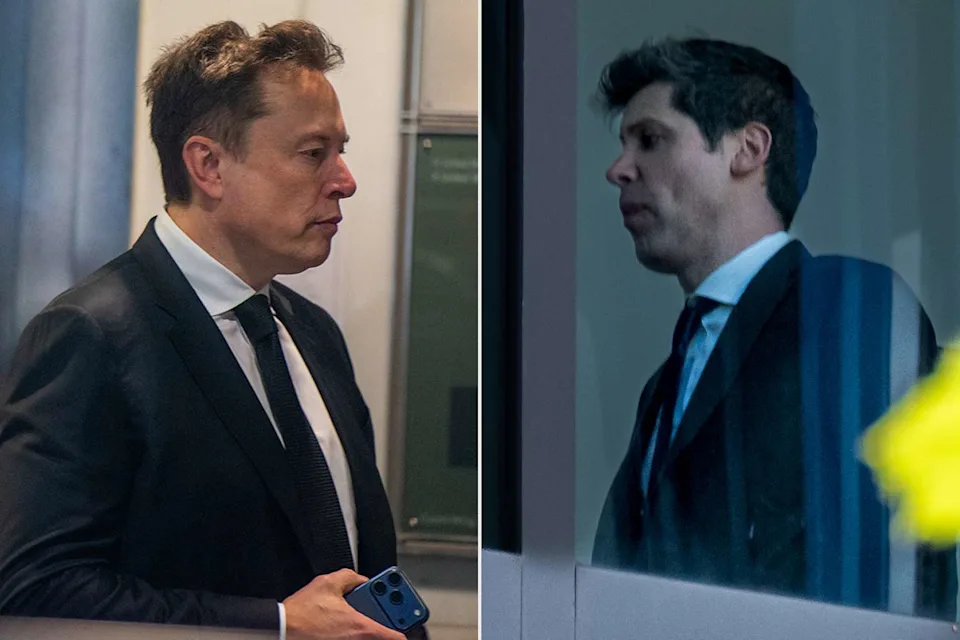
The Elon Musk OpenAI lawsuit officially kicked off in dramatic fashion on Tuesday, with Musk himself stepping into the witness box as the first to testify in the billion-dollar federal trial unfolding in Oakland, California. The case marks a defining moment for one of the most influential — and controversial — companies in the artificial intelligence world, and the outcome could reshape how power, ownership, and ethics intersect in the booming AI industry.
For Musk, the message was simple, blunt, and characteristically uncompromising: in his words, taking a charity is not acceptable.
Why This Trial Matters So Much
OpenAI is no ordinary company. It sits at the heart of the global AI revolution, valued in the hundreds of billions, and is currently preparing for what could be one of the largest IPOs in history. A courtroom defeat could fundamentally change who runs OpenAI, how it operates, and whether its for-profit transformation can stand.
At the core of the dispute is Musk’s argument that OpenAI has drifted dangerously far from its founding promise — to operate as a nonprofit research lab benefiting humanity rather than a corporate juggernaut chasing profits and power.
The Origins of the Legal Battle
Musk first filed suit in 2024, accusing OpenAI’s CEO Sam Altman, co-founder and president Greg Brockman, and tech giant Microsoft of betraying the original mission of the organization he helped launch.
Musk co-founded OpenAI in 2015 alongside Altman and others. According to OpenAI, Musk contributed $38 million in donations before stepping down from its board in 2018. He later went on to build SpaceX and Tesla into global empires and most recently founded xAI, a company now positioned as a direct rival to OpenAI in the race to develop next-generation artificial intelligence systems.
That competitive context — Musk now leading a company directly challenging OpenAI — has fueled questions about his motivations.
What Musk Wants From the Court
Musk’s legal team is seeking broad and aggressive remedies. Among the demands:
A restructuring of OpenAI’s corporate framework, the removal of both Altman and Brockman from leadership, and significant financial damages that Musk insists should be redirected back into OpenAI’s nonprofit arm.
His attorneys have signaled the potential damages could climb into the hundreds of billions of dollars — a figure that would represent one of the largest civil judgments ever pursued in the technology sector.
OpenAI Pushes Back Hard
OpenAI’s defense team is taking direct aim at Musk’s credibility and motivations. According to the company, every dollar Musk donated was used precisely as intended and in line with OpenAI’s mission. The company insists his lawsuit is rooted in regret and jealousy after walking away from the venture before its meteoric rise.
Attorney William Savitt, representing OpenAI, Altman, and Brockman, hinted in his opening statement that the courtroom would soon see what he described as “a tale of two Elons” — suggesting Musk’s public stance has shifted dramatically over the years.
Microsoft’s attorney, Russell Cohen, echoed similar themes, arguing that Musk only began objecting to OpenAI’s nonprofit-to-for-profit transition after the explosive global success of ChatGPT made the company one of the most valuable tech ventures in the world.
A Judge’s Warning to Both Sides
Tensions surrounding the trial have spilled well beyond the courtroom. U.S. District Judge Yvonne Gonzalez Rogers issued a sharp warning before opening arguments, telling Musk and Altman to keep the legal fight off social media.
The judge urged Musk specifically to control his tendency to use social platforms to inflame the dispute — a clear nod to Musk’s frequent posts on X.
The day before the trial began, Musk publicly accused Altman and Brockman of stealing a charity, going so far as to mockingly refer to Altman with insulting nicknames online. In court on Tuesday, Musk pushed back on the criticism, arguing that he only responded after the opposing side made public statements about the case first.
Bigger Storm Clouds Over OpenAI
The Musk lawsuit isn’t the only legal challenge OpenAI is grappling with. The company is also facing growing scrutiny from state authorities. Just last week, Florida Attorney General James Uthmeier announced a criminal investigation into OpenAI and ChatGPT after reviewing chat logs linked to Phoenix Ikner, the accused gunman behind the 2025 Florida State University shooting.
That probe has added a new layer of pressure as OpenAI prepares for its planned IPO and continues defending itself in the Musk case.
What’s Next in the Trial
The trial is expected to last roughly four weeks, with both sides preparing extensive testimony, internal communications, and expert witnesses to support their arguments. Beyond the immediate stakes, the proceedings will likely set important precedents about how nonprofit-founded technology organizations can — or cannot — transform into profit-driven powerhouses.
Adding even more weight to the situation, OpenAI is targeting a Q4 IPO at a reported valuation of around $852 billion. A ruling against the company could throw that timeline, and possibly the structure of the offering itself, into chaos.
A Defining Moment for AI’s Future
The Elon Musk OpenAI lawsuit is more than just a clash between two of tech’s biggest personalities. It’s a referendum on what artificial intelligence companies owe to the public, how they should be governed, and whether the explosive commercialization of AI has come at the cost of the field’s original idealistic mission.
As the trial unfolds over the coming weeks, the world will be watching. Whatever the verdict, the impact is expected to ripple far beyond Musk, Altman, and Microsoft — shaping the future of AI, corporate governance, and the boundaries of nonprofit accountability for years to come.
Author