Jamie Dimon Bond Market Crisis Warning Sends Shockwaves Through Wall Street
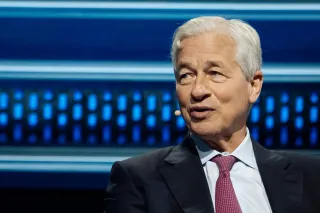
The Jamie Dimon bond market crisis warning is making headlines this week after the JPMorgan Chase CEO publicly cautioned that a major upheaval in the global bond market may be on the horizon. Speaking at an investment conference on Tuesday, Dimon urged policymakers to start addressing the underlying risks now — before they spiral into something far more damaging.
Coming from one of the most influential figures in global finance, Dimon’s remarks have caught the attention of investors, economists, and policymakers alike.
Dimon’s Blunt Message: A Crisis Is Coming
In characteristically direct fashion, Dimon told attendees that the way conditions are currently trending, a bond crisis appears almost inevitable. According to coverage of the event, he warned that financial leaders will eventually have to deal with the fallout — but suggested it would be far smarter to prepare in advance rather than react after the fact.
Dimon emphasized that he is not panicked about the situation. He believes the financial system has the tools to manage a crisis if and when it strikes. However, he made it clear that a more mature, proactive approach would serve the global economy far better than waiting for problems to explode.
His comments reflect a growing chorus of concern among Wall Street veterans who worry that years of accumulated risk in the bond market are nearing a tipping point.
A Pile-Up of Risk Factors
What’s making the situation so uncertain, according to Dimon, is the sheer number of risk factors stacking up at the same time. He pointed to several key areas of concern:
Rising geopolitical tensions across multiple regions, ongoing volatility in oil markets, and ballooning government deficits — all of which are individually capable of unsettling financial markets but become especially dangerous when they converge.
Dimon acknowledged that some of these issues could potentially fade with time. However, he was quick to add that no one truly knows which combination of events might ultimately trigger a serious disruption. That unpredictability, he warned, is exactly what makes the current environment so risky.
Why Dimon’s Warning Matters
When Jamie Dimon speaks, markets listen. As the longtime CEO of one of the largest and most influential banks in the world, his perspective carries enormous weight on Wall Street and in Washington alike. He has correctly identified emerging financial risks several times in the past, and his commentary often shapes investor sentiment and policy debates.
The bond market plays a foundational role in the global financial system. It influences everything from interest rates and mortgage costs to government borrowing and corporate financing. A serious bond market disruption could ripple across nearly every part of the economy, affecting consumers, businesses, and governments in profound ways.
Geopolitics, Oil, and Deficits: A Dangerous Mix
The three risk areas Dimon highlighted are particularly worrying because they are deeply interconnected. Geopolitical tensions — whether in the Middle East, Eastern Europe, or other hotspots — often disrupt oil supply chains, sending prices higher. Rising oil prices, in turn, can fuel inflation, force central banks to keep interest rates elevated, and put further strain on government budgets already burdened by massive deficits.
Government deficits remain a particular concern. Many advanced economies, including the United States, have continued to borrow heavily to fund spending priorities. As debt loads grow, so too does the cost of servicing that debt — especially in an environment of higher interest rates. If bond investors begin to lose confidence in a country’s ability to manage its debt sustainably, the consequences could be severe.
Calls for Policy Action
Dimon’s central message wasn’t just a warning — it was also a call to action. He urged policymakers to take the looming risks seriously and begin addressing them now rather than waiting for a crisis to force their hand. Maturity, he suggested, means tackling problems before they explode, not after.
This kind of forward-looking approach is something economic leaders have struggled with throughout history. Crises in the bond market are often only fully understood in hindsight, and by the time decisive action is taken, the damage has already been done.
Investor Reactions and Market Outlook
Following Dimon’s remarks, financial analysts and investors began reassessing their outlooks. While there is no immediate sign of a bond market collapse, the comments have reinforced a growing sense of caution across global markets.
Many institutional investors have already been adjusting their portfolios to account for elevated risk levels — moving into safer assets, increasing cash reserves, and carefully monitoring central bank policies. Dimon’s comments are likely to accelerate that trend, especially among those who view JPMorgan’s leadership as a bellwether for broader financial sentiment.
Looking Ahead
The Jamie Dimon bond market crisis warning serves as both a wake-up call and a reminder that the financial world remains fragile in the face of overlapping global pressures. While no one — not even Dimon — can predict with certainty when or how a crisis might unfold, his concerns underscore the importance of vigilance, planning, and responsible economic stewardship.
For now, markets will be watching closely. Investors, governments, and central banks will all need to weigh how seriously to take the warning and what steps, if any, can be implemented to prevent the kind of disruption Dimon fears. With geopolitical instability continuing, oil markets in flux, and government debts climbing, the road ahead promises to test the resilience of the global financial system in ways not seen in decades.
If Dimon’s prediction holds true, the next major financial test may not be a question of if — but when.
Author