GM Tariff Refund of $500 Million Lifts Profits Despite Industry Headwinds
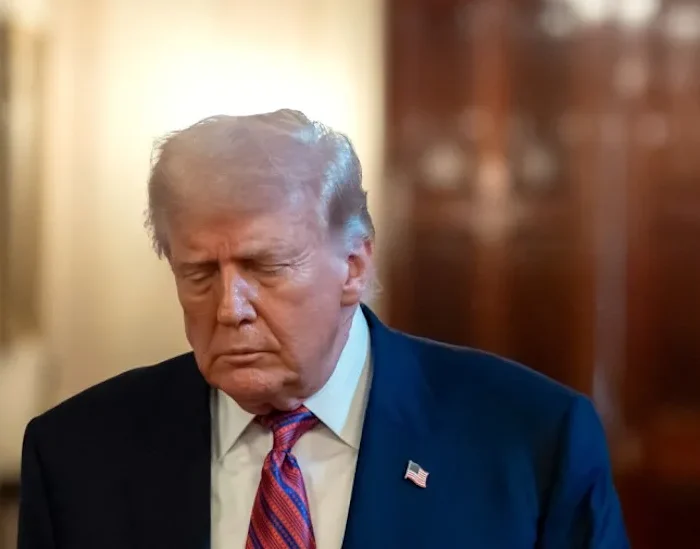
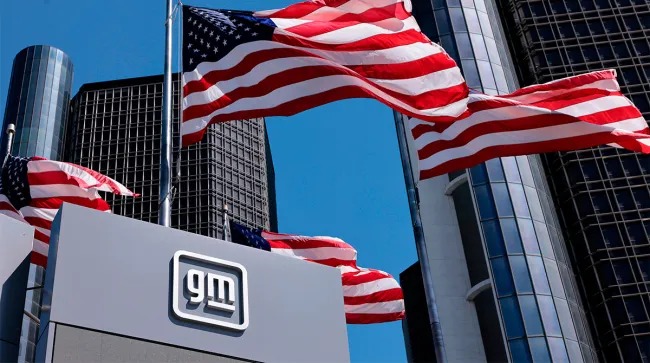
General Motors got a welcome financial boost this quarter. The automaker confirmed on Tuesday that it expects to receive a major GM tariff refund of around $500 million from the federal government, following a landmark Supreme Court decision that overturned a portion of former President Donald Trump’s tariff policies. The refund played a significant role in shoring up GM’s bottom line during a challenging quarter marked by softer vehicle sales and the costly winding down of its electric vehicle plans.
While the company is still grappling with several economic pressures, the unexpected windfall from the federal government provided a meaningful cushion against rising costs and shifting market conditions.
A Mixed but Resilient Quarterly Performance
GM reported $2.6 billion in profit for the first quarter of the year — a 6% decline compared to the same period last year. However, when interest, taxes, and other one-time expenses are excluded, the company’s profit actually rose 22%, signaling stronger underlying business performance than the headline number suggests.
CEO Mary T. Barra credited the steady results to robust sales of trucks and small SUVs, two of GM’s most lucrative product categories. She also pointed to notable improvements in the company’s operations in China, which have struggled in recent quarters but are now showing encouraging signs of recovery.
The Supreme Court Decision That Triggered the Refund
The refund traces back to a major February ruling by the U.S. Supreme Court. The court determined that Trump had overstepped his presidential authority when he imposed certain tariffs under the International Emergency Economic Powers Act of 1977 — a law that gives the president emergency-related powers in select cases.
This month, the federal government officially launched a process allowing affected businesses to apply for refunds on the now-invalidated tariffs. GM was among the first major corporations to publicly disclose its expected reimbursement amount, signaling just how widespread the financial impact of these tariffs was on American manufacturers.
For GM, the half-billion-dollar refund couldn’t have come at a better time. It helped offset financial pain from declining vehicle sales and a hefty $1 billion expense connected to the company’s pullback from electric vehicle production.
Tariffs Still Looming Over the Industry
Despite the favorable Supreme Court ruling, GM and other automakers are far from being free of tariff burdens. A separate set of tariffs — those imposed under Section 232 of the Trade Expansion Act of 1962 — remains fully in place. These include tariffs on imported steel, aluminum, finished vehicles, and auto parts.
GM updated its guidance based on the Supreme Court’s ruling and the expected refund. The company now estimates it will pay between $2.5 billion and $3.5 billion in import duties this year, down from its earlier range of $3 billion to $4 billion. While that represents real savings, it’s still a substantial cost that will weigh on GM throughout 2026.
Vehicle Sales and EV Slowdown
GM’s first-quarter revenue dipped slightly to $43.6 billion, reflecting softer overall consumer demand. Global vehicle deliveries fell 10% to 1.3 million cars and light trucks. A major contributor to the drop was the sharp decline in electric vehicle sales in the United States.
EV demand began deteriorating last fall after Congress and Trump pulled the plug on consumer tax credits for electric vehicle purchases. The change quickly cooled what had been one of the auto industry’s most promising growth areas. With buyer interest waning, automakers like GM have responded by scaling back battery-powered vehicle production.
To adapt to these market realities, GM has decided to convert its Orion, Michigan, assembly plant — once dedicated to EV production — back to producing internal combustion engine vehicles. That strategic pivot came with a $1 billion expense in the first quarter alone, but the company sees it as a necessary move to align its production with current consumer demand.
Iran Conflict Adds New Pressure
While GM’s quarterly performance was bolstered by the tariff refund, the company’s leadership warned that fresh challenges are emerging on the global stage — particularly the ongoing war in Iran. Rising oil prices linked to the conflict have already pushed up gasoline prices across the U.S., a trend that could eventually weigh on demand for the larger pickup trucks and SUVs that drive much of GM’s profitability.
For now, demand for these high-margin vehicles remains strong, but Barra acknowledged that the situation is being monitored closely. She emphasized that the Iranian conflict is currently the company’s top concern from a macroeconomic standpoint. However, GM has decided not to make any immediate adjustments to its earnings outlook, choosing instead to wait and see how the situation evolves over the coming months.
Mary Barra’s Steady Hand
Throughout the announcement, Barra struck a measured but cautiously optimistic tone. She noted that GM’s operating performance remains strong overall, supported by disciplined cost management, popular product lineups, and ongoing operational improvements abroad. While the company faces a complex mix of headwinds — from tariffs to EV market shifts to geopolitical instability — Barra emphasized that GM is well-positioned to weather the storm.
Her cautious approach to forecasting suggests that GM’s leadership is trying to remain flexible in an unpredictable global environment. Rather than make dramatic adjustments based on temporary disruptions, the company appears focused on long-term stability and resilience.
What’s Ahead for GM
Looking forward, GM is navigating a delicate balance. The GM tariff refund offers a financial cushion, and strong truck and SUV sales continue to drive profits. However, the company also faces tough decisions around EV strategy, shifting consumer behavior, and unpredictable global events.
GM’s ability to manage these competing pressures — while continuing to deliver strong quarterly performance — will be critical to maintaining investor confidence. With supply chains shifting, energy markets in flux, and trade policies under continued legal scrutiny, the road ahead for GM and other major automakers remains anything but smooth.
For now, the half-billion-dollar refund represents both a financial relief and a symbolic victory in an otherwise turbulent business landscape. As the year progresses, all eyes will be on how GM continues to adapt — and whether the broader auto industry can find steadier footing amid mounting global challenges.
Author