Rabid Bat Southern Utah Discovery Prompts Urgent Public Health Warning
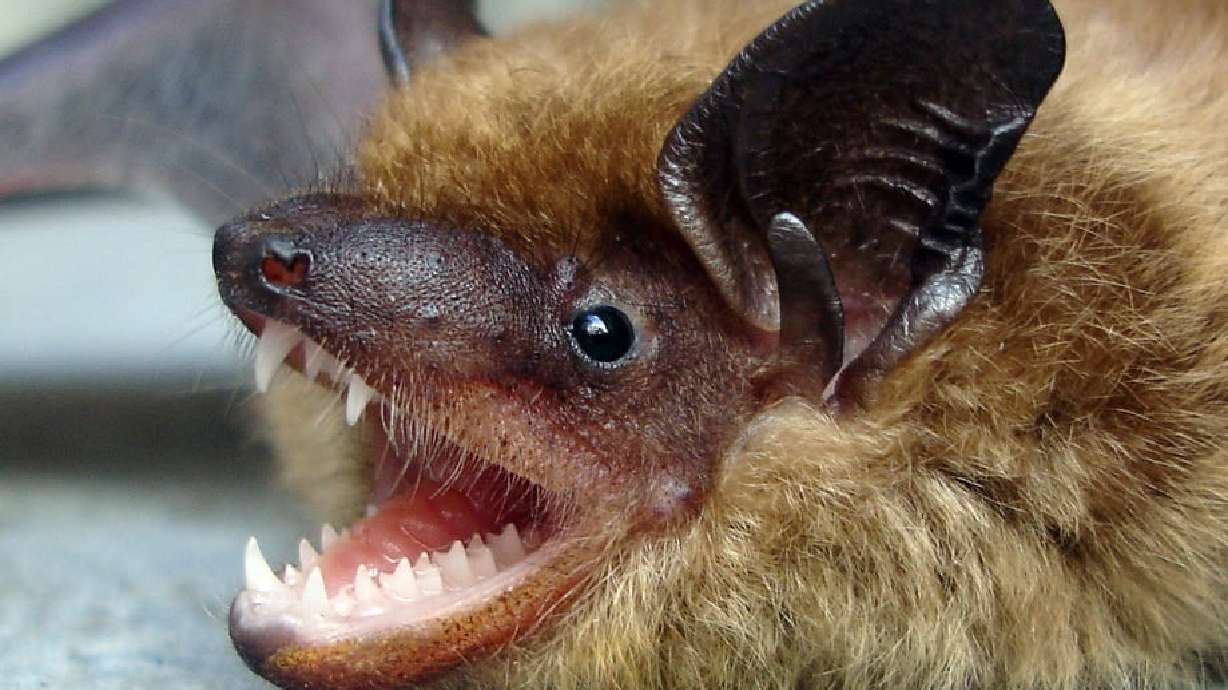
A new public health concern is making headlines across the state after a rabid bat southern Utah residents need to be aware of was confirmed in Washington County. The Southwest Utah Public Health Department announced on Monday that a bat recently discovered in the area tested positive for rabies — marking the first confirmed rabid bat case in Utah so far this year.
The discovery has prompted local health officials to issue an important warning to the community: keep your distance from bats and other wild animals, and seek immediate medical attention if you suspect any kind of contact.
Bats: Utah’s Top Rabies Carrier
Bats may be small and seemingly harmless, but they pose a significant rabies risk in Utah. Across the United States, several animals are commonly associated with the spread of rabies, including coyotes, foxes, raccoons, and skunks. However, in Utah, the overwhelming majority of rabies cases are linked specifically to bats, according to the Utah Department of Health and Human Services.
This pattern makes monitoring bat populations particularly important in the state. Even one infected bat can pose a serious threat if it comes into contact with humans, pets, or livestock.
Why This Case Matters
The case in Washington County serves as a reminder of how easily rabies can appear in unexpected places. Bats often roam neighborhoods, parks, and even residential properties without being noticed. While not every bat carries rabies, encountering one — particularly one acting unusually or appearing weak — is a strong reason for caution.
Health officials are particularly concerned about the southern Utah region during warmer months when bats are more active. With more outdoor recreation, hiking, camping, and travel happening across the area, the chances of human-bat encounters naturally increase.
The Hidden Danger of Rabies
Rabies is a highly serious viral disease that affects the central nervous system. While confirmed human cases in the U.S. remain rare, the consequences are devastating once symptoms begin to appear.
Adrianna Vidal, an epidemiologist with the Southwest Utah Public Health Department, emphasized just how critical fast action can be. According to Vidal, rabies becomes fatal once symptoms start showing — but getting a rabies vaccine in time can save a person’s life. That’s why immediate medical care is absolutely essential after any potential exposure.
The vaccine works by helping the body fight off the virus before it reaches the brain. Once symptoms develop, however, treatment options become extremely limited, and the outcome is almost always fatal.
Symptoms to Watch For
One of the most dangerous things about rabies is that early symptoms can easily be mistaken for those of common illnesses like the flu. Warning signs typically include:
General weakness, fever, headache, and a vague sense of discomfort. These symptoms can persist for several days and may worsen as the virus progresses through the nervous system.
If left untreated, rabies eventually causes severe neurological complications such as confusion, agitation, hallucinations, paralysis, and ultimately death. The fact that early symptoms can mimic minor health issues is exactly why health experts stress the importance of seeking medical attention right after any suspected exposure — without waiting for symptoms to appear.
What to Do If You’re Exposed
Public health officials are urging anyone who may have been bitten, scratched, or come into close contact with a bat or another potentially rabid animal to follow these key steps without delay:
Wash the area thoroughly with soap and water for several minutes, then seek immediate medical care to determine whether a rabies vaccination is needed.
Even minor encounters, such as waking up with a bat in a room or finding one inside a home, can be significant. Bats have very small teeth and claws, meaning bites or scratches may go unnoticed. As a precaution, health officials recommend treating any unexplained contact with a bat as a potential exposure and consulting medical professionals.
Safety Tips for Residents and Visitors
To reduce the risk of rabies exposure, health authorities recommend the following safety practices for residents and visitors in southern Utah:
Avoid touching or handling any wild animals, no matter how friendly or harmless they may seem. Make sure pets are vaccinated against rabies and supervise them outdoors. Seal off potential entry points to homes — including chimneys, attics, and damaged vents — to prevent bats from getting inside. If a bat is found inside a home, particularly in a room where someone has been sleeping, it should be safely contained and reported to local animal control or public health officials.
Education is one of the strongest tools in preventing rabies cases. By understanding how the disease spreads and how to respond quickly, residents can dramatically reduce the risk of serious infection.
Why Awareness Matters
While the discovery of one rabid bat does not signal an outbreak, it does highlight the ongoing importance of awareness and prevention. Rabies is a year-round concern in Utah, especially in regions like Washington County, where bats are commonly found in caves, forests, and residential areas.
Public health officials say their goal is not to alarm residents but to ensure that everyone is informed and prepared. With the right knowledge and quick action, rabies cases in humans can almost always be prevented.
The Bigger Picture
The latest rabid bat case underscores a broader message: wildlife and humans share more space than ever before, and that proximity sometimes brings risks. As communities continue to expand into natural areas, encounters with wild animals — including bats — become increasingly common.
Health agencies across Utah are committed to monitoring rabies activity and educating the public throughout the year. By working together, residents, visitors, and officials can help keep both humans and animals safe.
Final Takeaway
The confirmed rabid bat southern Utah case is a stark reminder that rabies remains a real and present danger, even in modern times. Although cases are rare, the disease’s near-100% fatality rate after symptoms appear makes prevention and rapid response absolutely essential.
If you live in or are visiting southern Utah, take the warning seriously: avoid wild animals, secure your home, vaccinate your pets, and seek immediate medical attention if you think you’ve been exposed. A few simple precautions can save your life — and protect the lives of those around you.
Author