Trump and Xi Set to Meet: Where Do US-China Tariffs Stand in 2026?
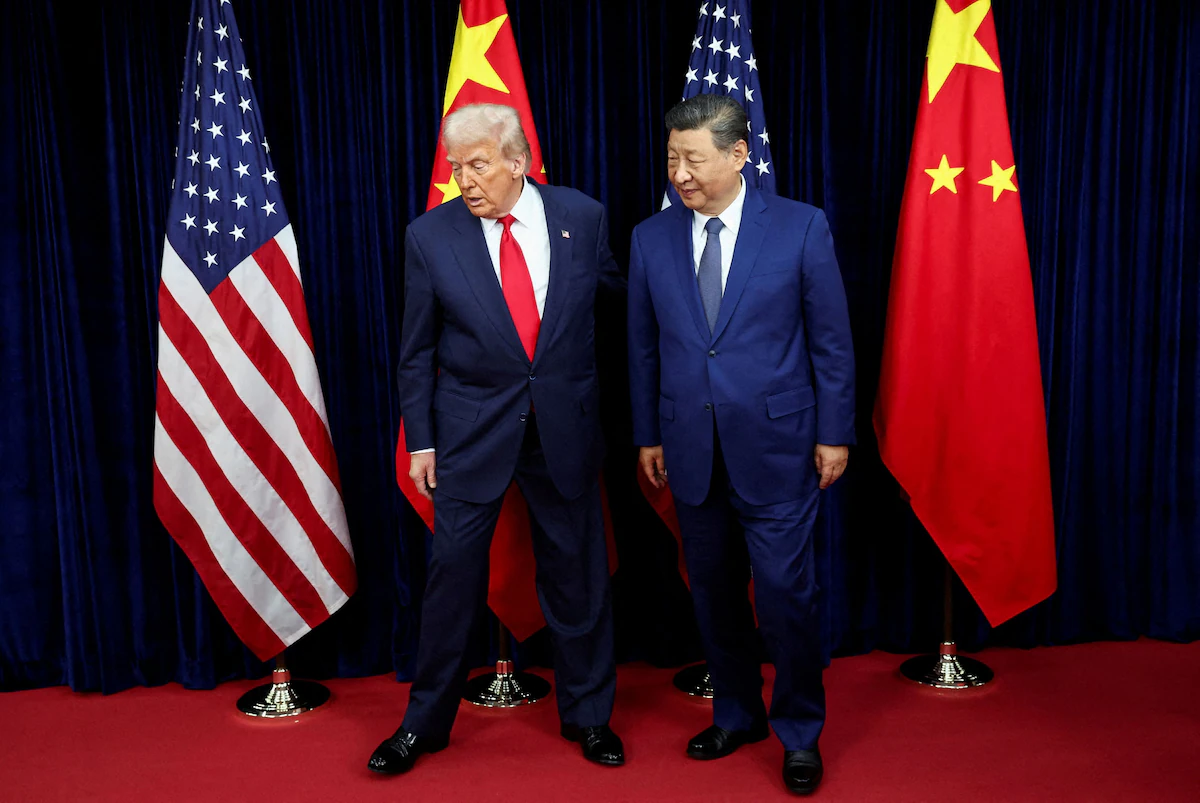
The future of US-China tariffs is once again under the spotlight as President Donald Trump prepares to land in Beijing for a high-stakes meeting with Chinese leader Xi Jinping. Confirmed by Chinese officials, the visit will run from May 13 to 15 and marks the first time an American president has set foot in China in close to ten years. With the world’s two largest economies still locked in a fragile trade truce, this trip could either ease tensions or open a fresh chapter of friction.
A High-Profile Visit With Big Names on Board
Trump won’t be travelling alone. Top executives from major American corporations — including Boeing, Citigroup, and Qualcomm — are expected to accompany him. Their presence signals that this isn’t just a diplomatic visit; deals could be on the table. For many of these companies, China remains a vital market, and any progress in negotiations could directly shape their bottom lines.
The meeting also represents a critical test of whether the trade truce reached last October in South Korea can hold up under continued pressure from both sides.
How the US-China Trade War Began
To understand today’s tariff landscape, it helps to look back. Trump rose to power in 2016 promising fairer trade and a manufacturing revival in the United States. By 2018, he had slapped tariffs on roughly $250 billion worth of Chinese imports — a move widely viewed as the official start of the trade war.
That same year, similar tariffs were aimed at Mexico, Canada, and parts of Europe, all of whom Trump accused of exploiting American trade openness.
According to Georgetown University policy researcher Ning Leng, Beijing was caught off-guard. “It was the first time they dealt with Trump seriously, and they probably did not expect him to go ahead with it,” she explained.
At the time, China leaned heavily on American consumers. Exports to the US supported countless Chinese jobs, especially while the country was battling sluggish domestic demand, joblessness, and a long-running property crisis.
Biden Kept the Pressure On
When Joe Biden took office in 2021, many expected a softer approach. Instead, his administration left Trump’s tariffs in place and added new restrictions of its own.
Under Biden:
- Huawei was effectively pushed out of the US market over security concerns
- TikTok came under heavy scrutiny, eventually leading to a separation from its Chinese parent
- Chinese electric vehicles faced steep tariffs that essentially blocked them from American buyers
Economist Tang Heiwai of the University of Hong Kong noted that while Trump is often viewed as the toughest president on China, “there is an argument to say that Biden was even more protectionist.”
Trump 2.0 and the Return of Tariff Pressure
After returning to the White House in 2025, Trump quickly escalated his trade agenda. He introduced a 20% tariff on Chinese goods, citing fentanyl trafficking. Then came his much-publicised “Liberation Day,” when he unveiled a 34% tariff on Chinese imports — placing China among the most heavily taxed trading partners.
The shock rippled across both economies. Chinese factories saw goods stockpile in warehouses, while American companies scrambled for alternative suppliers.
Beijing didn’t stay silent. It hit back with tariffs on US farm goods, striking directly at Trump’s rural voter base. But China held a powerful card Trump may have underestimated: rare earth minerals. These elements are essential for producing everything from smartphones to advanced military jets, and China dominates global supply.
That leverage forced Washington back to the negotiating table.
The October Truce and What It Achieved
The Trump-Xi summit in October produced visible progress. Beijing agreed to suspend its rare earth export controls, while also pledging to immediately resume large purchases of American agricultural products.
In exchange, Washington:
- Removed part of the fentanyl-related tariffs
- Paused planned tariff hikes
- Lifted some restrictions on semiconductor sales, except for the most advanced chips
Though both sides celebrated the agreement, a permanent fix to the broader trade dispute is still missing.
What’s on the Table This Time?
China enters the May meeting in a stronger position than in past years. Its export numbers have hit record highs, helped by new trading partnerships built across the world as ties with the US weakened. Beijing has also poured investment into robotics, semiconductor self-sufficiency, and reducing dependence on Western suppliers like Nvidia.
Still, Tang argues China can’t fully escape its reliance on American consumers. “It will need the US. There’s no single country as big as them as a consumer market,” he said.
For Trump, the goal is likely to push Beijing toward bigger purchases of critical American exports — particularly soybeans and aircraft components.
However, his trade strategy faces fresh legal trouble at home. The US Supreme Court recently struck down his Liberation Day tariffs, prompting him to rely on a different legal mechanism to impose a temporary 10% global levy. Just last week, a US trade court also ruled that the latest sweeping tariffs were not justified, signalling more court battles ahead.
The Iran War Will Cast a Shadow
Beyond tariffs, the ongoing Iran war is expected to be a major topic during the Beijing summit. China, with massive oil reserves and a diversified energy mix, has weathered the conflict more easily than many of its regional neighbours.
Most of China’s crude imports come from Russia, which has cushioned the impact, even though Beijing remains Iran’s largest oil customer. But as the war drags on, cracks are starting to appear. Chinese officials have already pledged stronger measures to safeguard energy supplies and protect domestic industries.
Both Washington and Beijing have reasons to want the war to end — yet their views on Iran remain sharply different. How they navigate this divide could shape not just the trade talks but the wider global outlook.
A Defining Moment for Global Trade
This week’s meeting could turn into a turning point for US-China tariffs and the broader relationship between the two economic giants. Whether the talks deliver concrete progress or expose deeper divisions, the world will be watching closely as Trump and Xi sit down at a moment when the stakes have rarely been higher.
Author