Saudi Aramco Q1 Profit Soars 26% as East-West Pipeline Maxes Out During Iran War
The latest Saudi Aramco Q1 profit numbers have grabbed global attention, with the oil giant reporting a stunning 26 percent year-on-year jump in first-quarter earnings. Behind the booming figures lies a story shaped by geopolitical tension, surging oil prices, and the strategic importance of an aging — but suddenly indispensable — pipeline. As the Iran war continues to choke shipping in the Persian Gulf, Aramco has found itself perfectly positioned to weather the storm and capitalize on the global energy upheaval.
A Powerful Earnings Surge
Saudi Aramco, the kingdom’s state-owned energy heavyweight, revealed its first-quarter earnings on Sunday, marking one of its strongest performances in recent memory.
Key financial highlights include:
- Adjusted net income of $33.6 billion in Q1
- A 26 percent rise compared with $26.6 billion in the same period last year
- A 34 percent jump from the previous quarter’s $25.1 billion
- A clear beat over analyst expectations of $31.2 billion
The results were powered by a combination of higher oil prices, strong export volumes, and the increasing importance of Aramco’s land-based pipeline network amid maritime disruptions.
East-West Pipeline Becomes a Lifeline
One of the standout developments in Aramco’s quarterly report was the performance of its East-West Pipeline. The strategic infrastructure hit its full operating capacity of 7 million barrels per day for the first time in years.
This pipeline, which runs from the country’s oil fields in the east to its Red Sea terminals in the west, has proven crucial during the ongoing Iran war. With Iran’s blockade of the Strait of Hormuz disrupting traditional sea routes, the East-West Pipeline has become a vital alternative route for delivering oil to international buyers.
Aramco CEO Amin Nasser described its role in clear terms, calling the pipeline a “critical supply artery, helping to mitigate the impact of a global energy shock and providing relief to customers affected by shipping constraints in the Strait of Hormuz.”
The Iran War Disrupts Global Oil Flows
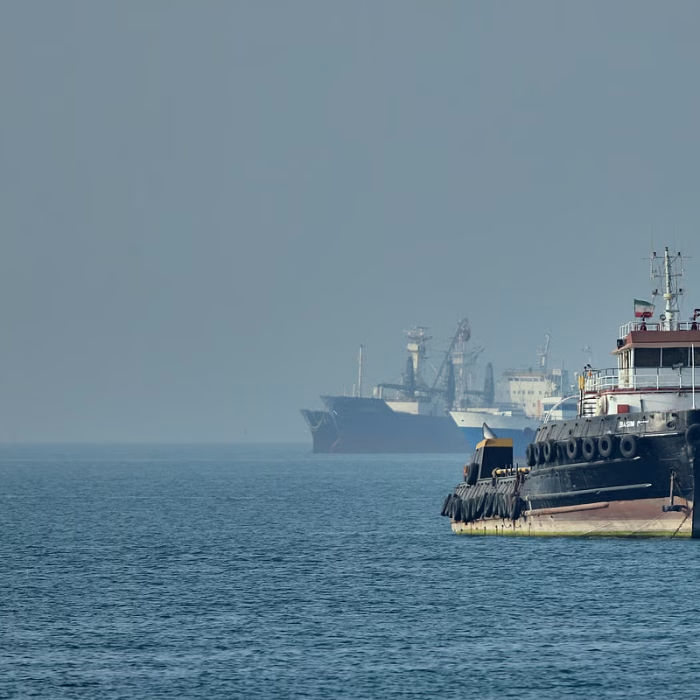
The Strait of Hormuz is one of the most strategically important waterways in the global oil trade. With Iran maintaining its blockade, the world has lost nearly a billion barrels of oil so far — and the shortfall continues to grow each day the chokepoint remains closed.
Recent developments include:
- Iran firing additional missiles at the United Arab Emirates
- US naval forces striking two Iranian tankers attempting to slip past the blockade
- Continued rerouting of crude shipments away from the Persian Gulf
These tensions have triggered fresh volatility in global energy markets, with traders pricing in the risk of prolonged disruption.
Crude Prices Spike Again
Oil markets responded sharply to the latest events. By the end of last week:
- Brent crude futures climbed about 1 percent, closing at $101.29 per barrel
- West Texas Intermediate (WTI) settled slightly higher at $95.42 per barrel
The broader trend tells an even more dramatic story. Brent crude rose 95 percent during the first quarter alone, and has climbed 67 percent year-to-date. These surging prices have helped boost revenues for producers like Aramco, even as they squeeze consumers and businesses worldwide.
The Fragility of Global Energy Exposed
The Iran war has revealed something the world hadn’t fully appreciated in years — just how vulnerable the global energy system remains. Top oil executives have spoken openly in recent weeks about the structural weaknesses now coming into focus.
Olivier Le Peuch, CEO of oilfield services giant SLB, said the disruption has “demonstrated the fragility of the global energy system.” His remarks echoed concerns expressed by multiple CEOs across the oil and gas sector, all warning that the world’s reliance on a small number of shipping routes presents serious long-term risks.
This realization may eventually fuel a wave of structural changes in how oil and gas are transported, stored, and traded.
A Strong Balance Sheet and Bigger Payouts
Aramco’s financial health also looks strong heading into the rest of 2026. The company reported a gearing ratio of 4.8 percent at the end of the first quarter — a sign of low debt relative to equity.
Notable shareholder-related news included:
- Aramco’s board approved a base dividend of $21.9 billion for Q1
- The dividend marks a 3.5 percent increase year-on-year
These payouts continue to make Aramco one of the most generous dividend-paying companies in the world, with much of those payments flowing back to the Saudi government, which owns the overwhelming majority of the firm.
Why Aramco’s Strength Matters Globally
As one of the largest energy producers on the planet, Aramco’s performance often signals broader trends in the global market. The company’s ability to push more oil through the East-West Pipeline at a time when sea routes are compromised has made it a stabilizing force in an increasingly fractured industry.
A few key reasons Aramco’s position matters now more than ever:
- It controls some of the world’s lowest-cost oil production
- Its infrastructure offers rare flexibility during shipping disruptions
- Its output influences major decisions made by OPEC+
- Its earnings affect international energy policies and investments
The company’s performance has also reinforced Saudi Arabia’s role as a vital swing producer capable of cushioning the world from larger price shocks.
What Comes Next for Aramco and Global Oil?
The path forward depends on multiple unfolding factors. With the Iran war showing no signs of easing, Aramco’s strategic infrastructure will remain critical for keeping global oil flowing.
Looking ahead, several developments are likely to shape the next phase:
- Continued strain on the Strait of Hormuz
- Possible new diplomatic talks involving the US, Iran, and regional players
- Pressure on Aramco to maintain peak pipeline capacity
- Long-term shifts in maritime versus pipeline logistics
- More volatility in global crude prices
For Aramco, the next few quarters could prove just as eventful, especially if the geopolitical environment remains unpredictable.
A Defining Moment for Global Energy
The Saudi Aramco Q1 profit jump highlights more than just the strength of one company — it reflects the changing realities of a global energy system under heavy stress. With pipelines now playing a starring role and sea routes under threat, the world is being reminded that energy security is anything but guaranteed. As Aramco continues to capitalize on its strategic advantages, the Iran war and the broader global response will keep shaping the trajectory of oil markets for months to come.
Author