Iran War Live Updates: Tehran’s Bold Demands Hit a Wall as Trump Says “No”
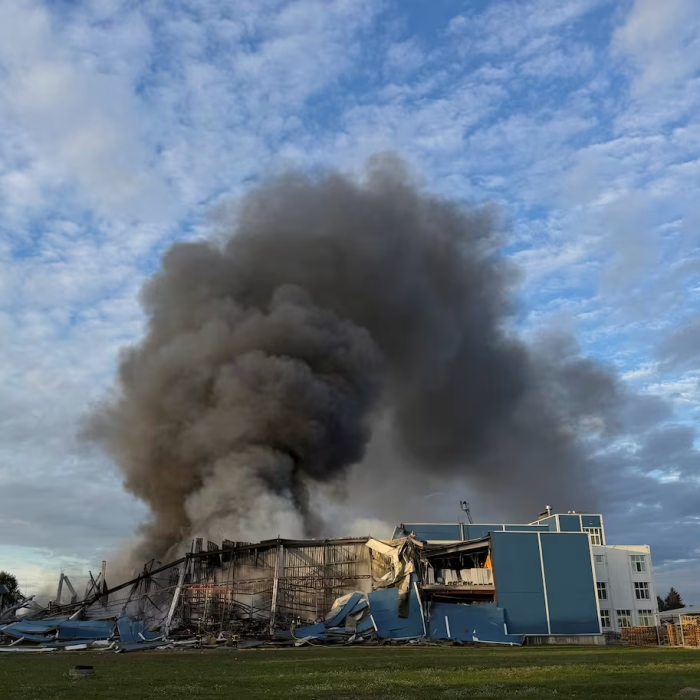
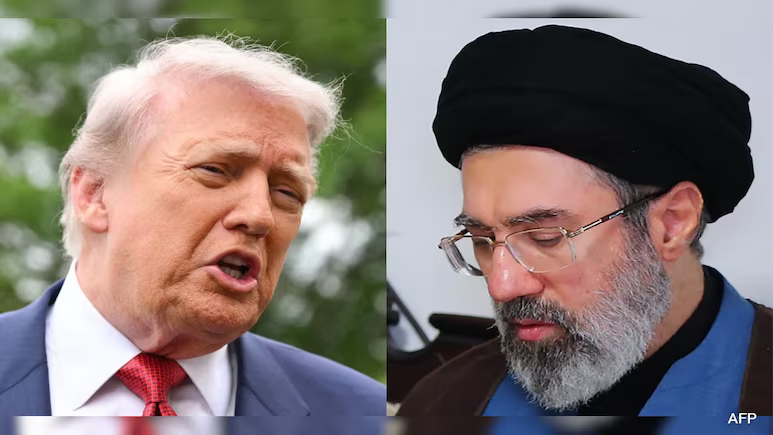
Iran War Live Updates have taken a sharp turn this week as tensions between Tehran and Washington reach a fresh boiling point. After months of indirect negotiations, Iran has finally laid out a detailed list of demands it wants met in exchange for ending the ongoing conflict with the United States and Israel. President Donald Trump, however, wasted no time in shutting the door, calling the proposal “TOTALLY UNACCEPTABLE” in a fiery social media post.
Here is a closer look at what Iran is asking for, why Trump rejected it, and what this means for the wider region.
Tehran Reveals Its Conditions for Peace
According to a Monday report by the Islamic Republic of Iran Broadcasting, Tehran’s peace proposal includes three central demands:
- Payment of war reparations from the United States to Iran
- International recognition of Iran’s sovereignty over the Strait of Hormuz
- A complete lifting of long-standing American sanctions
These conditions were reportedly forwarded to Washington through Pakistani diplomatic channels, which have been quietly trying to mediate between the two foes. Trump dismissed the entire offer without going into specifics about what bothered him most, leaving observers to speculate on which point pushed him over the edge.
Iran Pushes Back After Trump’s Rejection
Hours after Trump’s blunt rejection, Iran’s foreign ministry came out swinging. Spokesman Esmail Baghaei told reporters that Iran was not asking for any “concessions” but was simply asserting what he described as the country’s “legitimate rights.”
Baghaei also pointed out that Iran’s proposal would have allowed safe maritime passage through the Strait of Hormuz, a vital corridor that Tehran has effectively shut down since the late February attacks launched by the United States and Israel. That blockade has rattled global energy markets and sent shipping companies scrambling for alternative routes.
The Nuclear Question Lingers in the Background
One of the trickiest issues in this entire standoff remains Iran’s nuclear ambitions, and Baghaei seemed to dodge the topic when pressed by reporters. He simply said, “We will discuss that when the time comes,” brushing off questions about whether Tehran would compromise on its uranium enrichment activities.
Trump, on the other hand, has been crystal clear from day one: Iran cannot have nuclear weapons. Washington has repeatedly demanded that Iran suspend its nuclear program and hand over its stockpile of highly enriched uranium. Tehran has flatly refused, and this disagreement is widely seen as the single biggest obstacle to a lasting cease-fire.
Why Trump’s Rejection Matters
Looking at Iran’s three main demands, two of them are almost guaranteed deal-breakers for the United States. Asking America to pay reparations or to formally acknowledge Iranian control over the Strait of Hormuz crosses red lines that no US administration would realistically accept.
The third demand, ending sanctions, is theoretically negotiable, but only if Iran is willing to make significant concessions on its nuclear program. Given Tehran’s stubborn position so far, that path looks blocked too.
In short, both sides appear to be talking past each other, with neither willing to budge on the issues that matter most.
Markets React: Oil Climbs, Stocks Slip
The fallout from the failed negotiations has already hit global markets. Oil prices climbed on Monday morning as traders worried about prolonged disruption in the Persian Gulf. Stock futures, meanwhile, ticked downward as investor sentiment soured.
The Strait of Hormuz is one of the world’s most important oil and gas shipping lanes, and any extended blockade threatens to send energy costs spiraling worldwide. Analysts warn that if the situation drags on, ordinary consumers could feel the pinch at the gas pump.
Short-Term Deal Still on the Table?
Despite the public bickering, there are hints that a temporary arrangement might still be possible. Iranian officials have said both nations are exploring a short-term agreement that would pause hostilities for another 30 days and reopen the Strait of Hormuz to commercial traffic.
Whether such a stopgap deal can hold together long enough to allow for deeper talks remains to be seen. The trust deficit between Tehran and Washington runs deep, and every breakdown in negotiations only makes the next round harder.
What Comes Next
For now, the diplomatic dance continues with no clear endgame in sight. Pakistan is still playing the role of mediator, but its influence is limited. European powers have stayed largely on the sidelines, watching nervously as the conflict threatens to spiral further.
The coming days will likely test the patience of both governments. Iran is determined to project strength and refuse what it sees as humiliating demands. Trump, never one to back down from a public fight, seems equally unwilling to soften his stance.
For people across the Middle East, and indeed the wider world, the hope is that cooler heads will eventually prevail before the situation escalates into something even more dangerous. Until then, every statement, every social media post, and every leaked proposal will be scrutinized for signs of a breakthrough or a deeper crisis.
Stay tuned for more Iran War Live Updates as this fast-moving story develops.
Author