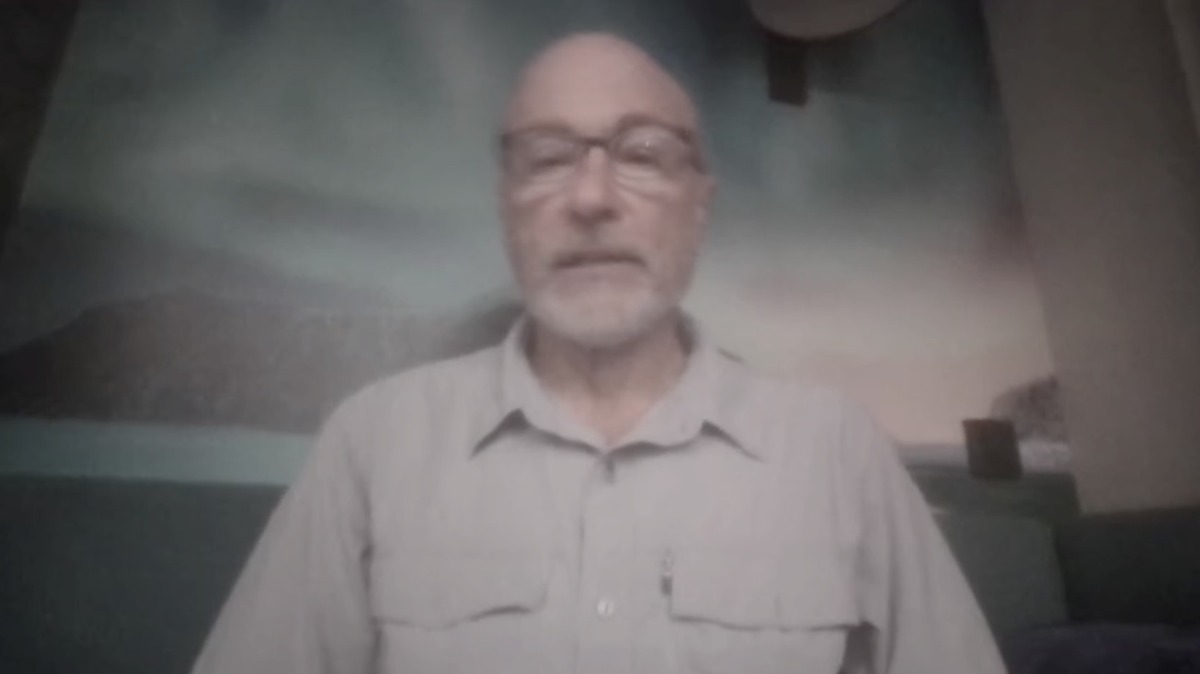
The hantavirus-stricken ship doctor at the center of recent headlines has received reassuring news. Dr. Stephen Kornfeld, a passenger from the MV Hondius cruise ship who had earlier tested “faintly positive” for hantavirus, has now tested negative — and has been moved out of a Nebraska biocontainment unit.
Who Is Dr. Stephen Kornfeld?
Kornfeld, 69, is an oncologist from Oregon who was traveling aboard the Hondius. During the voyage, he helped care for fellow passengers who had fallen ill, and he eventually developed what he described as a “flu-like illness” himself.
Speaking to CNN’s Erin Burnett, Kornfeld reflected on that period with a measure of uncertainty. At the time, he said, it simply seemed like some kind of ordinary virus. Only in hindsight has the question emerged of whether it could have been hantavirus — though he was careful to stress that this remains pure speculation, with no real way to know for certain.
From a “Faint Positive” to a Negative Result
It was Kornfeld’s initial test results — taken before he returned to the United States — that landed him in the biocontainment unit at the University of Nebraska Medical Center.
But follow-up testing told a different story. Kornfeld told Burnett that confirmatory PCR testing came back negative. The results of additional blood tests are still pending.
With the negative confirmatory result, he has now been moved out of biocontainment and into a quarantine unit alongside 15 other American passengers from the ship. Notably, none of those 16 individuals is currently reporting any symptoms of illness. Two other passengers are being monitored separately at Emory University in Atlanta.
What the Case Numbers Show
The shifting test results also affect the broader tally. The World Health Organization said in an update that the current hantavirus case count tied to the Hondius stood at 11 — but that figure had included Kornfeld’s initial positive test, which has now been overturned.
Will Quarantined Passengers Be Allowed Home?
One of the open questions is what happens next for the passengers under monitoring.
US officials have indicated that Hondius passengers may eventually be able to return home to complete weeks of health monitoring for Andes hantavirus. However, the American passengers currently in quarantine in Nebraska are being “encouraged to stay” at the facility for monitoring, according to officials with the US Centers for Disease Control and Prevention.
Federal officials say they are working with medical staff to ensure each person has the appropriate arrangement. As Dr. David Fitter, incident manager for the CDC’s hantavirus response, put it, the goal is to keep working with the passengers to find the best possible place for them.
Why Monitoring Lasts So Long
Hantavirus is a virus with a notably long incubation period, which is why the monitoring timelines are extended.
Health officials say that people with high-risk exposures should be monitored for 42 days. That high-risk group includes:
- Cruise ship passengers from the affected vessel
- People who were on an international flight alongside a sick passenger
Differences in Testing Approaches
There’s also a divide in how authorities are handling testing. Some countries are testing all of their passengers who were exposed to hantavirus.
The CDC, however, is taking a narrower approach. According to Fitter, the agency currently recommends testing only for people who are actually showing symptoms, rather than testing everyone who may have been exposed.
How Worried Should the Public Be?
Both the WHO and the CDC have been consistent on this point: the risk to the general public remains low.
Beyond the ship’s passengers, at least 19 other people across at least 10 states may also have been exposed to the virus. Those individuals are being encouraged to isolate at home while the CDC works with state and local partners to help monitor them.
Importantly, Fitter noted that there are currently no state or federal quarantine orders in place — the isolation and monitoring underway are being handled on a cooperative, voluntary basis.
The Bottom Line
The story of the hantavirus-stricken ship doctor offers a cautiously encouraging update in an outbreak that has drawn international attention. Kornfeld’s negative confirmatory test moved him out of biocontainment and slightly lowered the case count, while the remaining passengers in quarantine show no symptoms so far.
Still, with hantavirus’s long incubation period, the 42-day monitoring window means this situation is far from fully resolved. For now, health officials are emphasizing patience, careful monitoring, and the reassurance that the broader public faces little risk.
Author