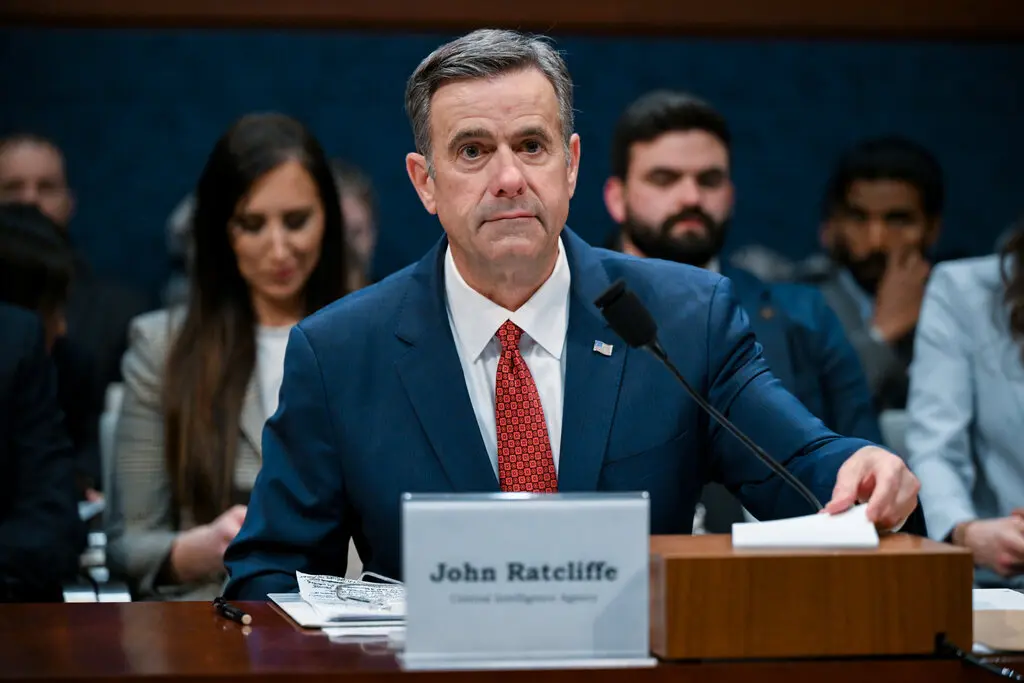
Cuba Energy Crisis Deepens as CIA Director Lands in Havana for Rare Talks
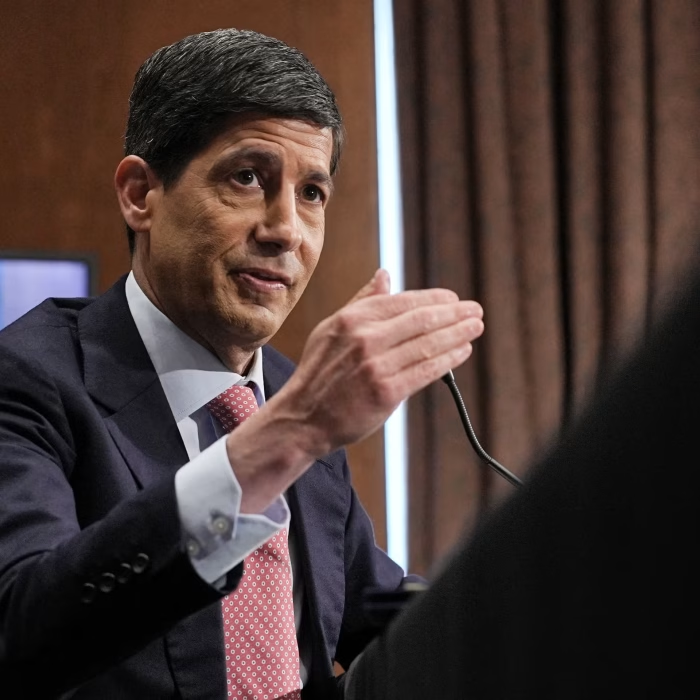
The Cuba Energy Crisis has reached a boiling point, and the arrival of CIA Director John Ratcliffe in Havana this week underscored just how serious the situation has become. Ratcliffe met with his Cuban counterpart at the country’s interior ministry shortly after the United States renewed its offer of $100 million in aid to help ease the impact of an ongoing American oil blockade.
The visit is being viewed as one of the most significant diplomatic moments between the two nations in recent years. With Cuba running dangerously low on fuel and citizens taking to the streets in protest, both sides seem to recognize that something has to give.
A High-Level Meeting With Strict Conditions
According to a CIA official who spoke with CBS News, the US is open to deeper engagement, but only if Cuba commits to fundamental changes. The message was clear: economic and security cooperation is possible, but it won’t come without strings attached.
Cuban officials, meanwhile, used the meeting to push back. A statement from Havana described the discussion as an effort to improve dialogue and made it a point to tell American officials that Cuba does not pose a threat to US national security.
Notable attendees from the Cuban side included:
- Raúl Rodríguez Castro, grandson of former President Raúl Castro
- Interior Minister Lázaro Álvarez Casas
- The head of Cuba’s intelligence services
The CIA confirmed the goal of the meeting was to personally deliver a direct message from President Donald Trump.
What Was Actually Discussed
According to the CIA, the conversations touched on intelligence cooperation, economic stability, and broader regional security. A key US position emphasized that Cuba can no longer act as a safe haven for adversaries operating in the Western Hemisphere.
Cuba’s own statement struck a slightly different tone, focusing on the shared interest in building cooperation between law enforcement agencies for the benefit of both countries and the wider region.
Talks between the two governments had quietly resumed earlier this year but lost momentum as the oil blockade dragged on and tensions intensified.
The Oil Blockade and Its Devastating Impact
The Cuba Energy Crisis has been driven largely by US-imposed restrictions. For years, Cuba leaned on Venezuela and Mexico to supply oil to its refineries. But after President Trump threatened tariffs on any nation sending fuel to the island, those supplies have nearly dried up.
The result has been catastrophic for ordinary Cubans:
- Hospitals struggling to maintain basic operations
- Schools and government offices forced to shut down
- Widespread blackouts, some affecting the entire country
- A complete shortage of diesel and fuel oil, according to Cuban officials
Energy Minister Vicente de la O Levy has described the country’s energy system as being in critical condition, with only limited amounts of gasoline still available.
Aid Offer Comes With Strings Attached
The US State Department renewed its $100 million humanitarian aid proposal earlier this week. However, Washington made it clear that any assistance would have to flow through the Catholic Church and trusted independent groups, completely bypassing the Cuban government.
According to the State Department, the responsibility now falls on the Cuban regime to either accept the offer or be held accountable for blocking life-saving help.
Cuban Foreign Minister Bruno Rodríguez responded cautiously, saying Havana is willing to listen to the details. He noted that Cuba does not, as a matter of practice, refuse foreign aid offered in good faith. Still, he emphasized that the most meaningful step the US could take would be to ease its energy, economic, and financial restrictions, which he says have intensified to unprecedented levels.
Cuban President Pushes Back
Cuban President Miguel Díaz-Canel was more direct. He argued that instead of offering aid, the US could resolve the crisis far more quickly by simply lifting the blockade. He blamed Washington for what he called a “genocidal energy blockade” and accused the Trump administration of using tariff threats to scare off any country willing to help Cuba.
Díaz-Canel described the situation across the island as particularly tense, especially as anger builds in neighborhoods hit hardest by the blackouts.
Protests Erupt in Havana
The frustration boiled over on Wednesday night, when hundreds of Cubans poured into the streets of Havana following yet another massive power cut affecting eastern Cuba and parts of the capital. Roads were blocked with burning trash, and chants of anti-government slogans echoed through neighborhoods like San Miguel del Padrón, where residents could be heard demanding the lights be turned back on.
Reuters reported it was the largest single night of demonstrations in the city since the energy crisis began earlier this year.
A New Twist: Possible Indictment of the Castros
Adding to the rising tensions, CBS News reported that the US is preparing to indict former President Raúl Castro and his late brother Fidel Castro in connection with the 1996 downing of a plane operated by the humanitarian group Brothers to the Rescue. The aircraft was shot down over international waters, killing several people.
The potential indictment is another sign that the US is tightening its grip on Cuba diplomatically, legally, and economically.
What Comes Next
With the Cuba Energy Crisis showing no signs of easing, both nations now face a critical decision point. Will Cuba accept conditional US aid, or will Washington reconsider its blockade to ease the suffering on the island? For now, ordinary Cubans are caught in the middle, dealing with darkness, shortages, and uncertainty as their leaders continue to negotiate from opposing corners.
Author