Meta Ray-Ban Display Glasses Take Wearable Tech to a Whole New Level
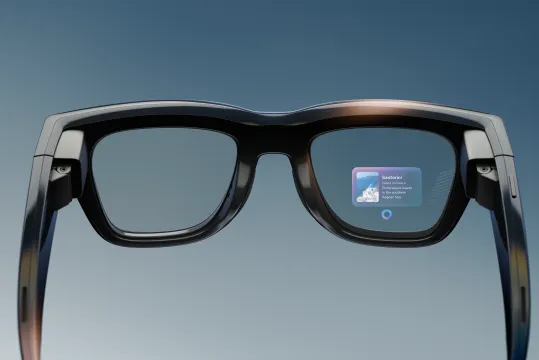
The Meta Ray-Ban Display Glasses are getting a major upgrade, and this update could finally make smart glasses feel like the futuristic tech they have always promised to be. Meta is rolling out a wave of new features that expand what its display-equipped smart glasses can do, including the long-awaited ability for users to write messages using nothing but hand gestures.
These updates target some of the most exciting use cases for AR-style smart glasses, including hands-free messaging, video capture from a first-person perspective, walking navigation, and real-time captions. With this rollout, Meta is signaling that smart glasses are no longer just an experimental gadget for early adopters. They are quickly becoming a daily-use device for everyone.
Virtual Writing Finally Comes to Everyone
One of the biggest highlights of this update is the wider availability of virtual writing. This feature lets users compose messages simply by performing small hand gestures, made possible through the neural wristband included with the Meta Ray-Ban Display Glasses.
When the glasses first launched, this gesture-based writing capability was one of the most exciting features advertised. However, it wasn’t available immediately, leaving many users waiting. Meta initially launched it in early access for WhatsApp and Messenger back in January. Now, the rollout is expanding across more platforms.
With the new update, users can write messages in:
- Facebook Messenger
- Native Android messaging apps
- Native iOS messaging apps
That’s a significant expansion. By supporting native messaging on both Android and iOS, the feature now works seamlessly across the most popular communication platforms in the world. For people who have struggled with voice dictation in noisy environments or with privacy concerns, this gesture-based writing could be a game changer.
How the Neural Wristband Makes It Work
For those new to this technology, the neural wristband is what really sets the Meta Ray-Ban Display Glasses apart. It works by reading subtle electrical signals from the user’s wrist and translating them into precise hand gestures. Even tiny finger movements can be detected, allowing users to interact with the glasses without lifting their hand to a screen or speaking aloud.
This kind of input is especially useful in:
- Crowded public spaces
- Quiet places like libraries or meetings
- Situations where holding a phone would be inconvenient
- Accessibility cases for people who struggle with typing on small phones
- Outdoor environments where voice commands aren’t ideal
By combining the wristband with the in-lens display, users can read, respond, and interact with messages in a far more discreet way than tapping on a phone.
Display Recording Brings First-Person Video to Life
Another impressive update is something Meta calls display recording. This feature allows users to capture video that blends three things at once:
- What they see on the in-lens display
- What they see in the real world
- The audio happening around them
This is a major step forward in wearable content creation. Until now, smart glasses cameras mainly captured what the user was looking at. Now, with display recording, users can layer digital content over real-world footage in a way that gives viewers a deeper sense of context.
The implications are huge for content creators. Imagine someone showing a behind-the-scenes look at a concert with live captions or song titles displayed on screen. Or a hiker walking a trail with navigation prompts visible to viewers in real time. This could become an entirely new genre of social content powered by smart glasses.
Walking Directions Now Available Across the US and Major Global Cities
Smart glasses become much more useful when they can guide you somewhere without requiring you to constantly look at your phone. Meta is making the Ray-Ban Display Glasses even better for navigation by expanding walking directions.
The walking directions feature now works throughout the entire United States. Internationally, the rollout has reached several major cities, including:
- London
- Paris
- Rome
- Other large global hubs
This is especially helpful for travelers exploring unfamiliar cities. Instead of stopping every few minutes to check a map, users can simply follow visual cues displayed inside the glasses. Tourists, business travelers, and even daily commuters in big cities will likely find this feature one of the most useful additions to the device.
Live Captions Expand to More Platforms
Real-time captioning is another standout improvement. Meta is rolling out live captions to even more of its messaging tools, making conversations more accessible than ever.
Users can now use live captions in:
- Facebook Messenger
- Instagram DMs voice messages
For people with hearing difficulties, this could be life-changing. It also helps in noisy environments where voice messages might otherwise be impossible to hear clearly. By placing captions right in the user’s field of view, the glasses make it much easier to follow conversations in real time.
This is a strong example of how AR-style wearables can offer accessibility benefits that smartphones simply can’t match. Putting captions directly in the line of sight, instead of forcing users to look down at a screen, is both more natural and more efficient.
Why These Updates Matter
The Meta Ray-Ban Display Glasses are part of a broader push to bring AR closer to mainstream adoption. While some have argued that smart glasses are still a niche category, updates like this one show how rapidly the technology is maturing.
Some of the biggest reasons these updates matter include:
- They make smart glasses more useful for everyday tasks
- They expand global support for navigation and messaging
- They turn the glasses into a more capable creative tool
- They provide real accessibility benefits for diverse users
- They lay the groundwork for future generations of AR products
By targeting practical use cases, Meta is also avoiding one of the biggest mistakes early smart glasses made, which was focusing too heavily on novelty features that didn’t have lasting value. These new tools, especially virtual writing and walking directions, are things people will actually use regularly.
A Hint at the Future of Wearables
The pace of innovation in the smart glasses space is picking up quickly. Just six months ago, much of what is now mainstream felt like a futuristic experiment. With this latest rollout, Meta is signaling that the next era of personal computing won’t necessarily revolve around phones or laptops. It will revolve around tools that fit naturally into our daily lives.
Some of the trends to watch as this category evolves include:
- Better integration with AI assistants
- More natural voice and gesture controls
- Expanded video and content creation features
- Better support for third-party apps
- Improvements in battery life and design
If Meta can keep delivering these kinds of meaningful updates, the Ray-Ban Display Glasses could become one of the most influential wearable devices of the decade.
What Users Should Expect
For current owners of the Meta Ray-Ban Display Glasses, the experience is about to feel a lot more useful. With virtual writing now available across major messaging platforms, walking directions in more cities, and live captions accessible across additional apps, daily life with the glasses just got smoother.
For potential buyers, this update might be the tipping point. The combination of practical features, AR-enhanced communication, and expanded global support makes the device much more appealing than at launch. It’s no longer just about wearing stylish smart glasses. It’s about gaining a new way to interact with the digital world without ever pulling out a phone.
The Meta Ray-Ban Display Glasses are quickly proving that wearable AR can move beyond hype and become a genuinely useful part of everyday life. With this rollout, Meta has taken another meaningful step toward making that future real.
Author