iPhone 17 Pro Charging Test Crowns Apple’s Flagship as the Fastest Overall in 2026
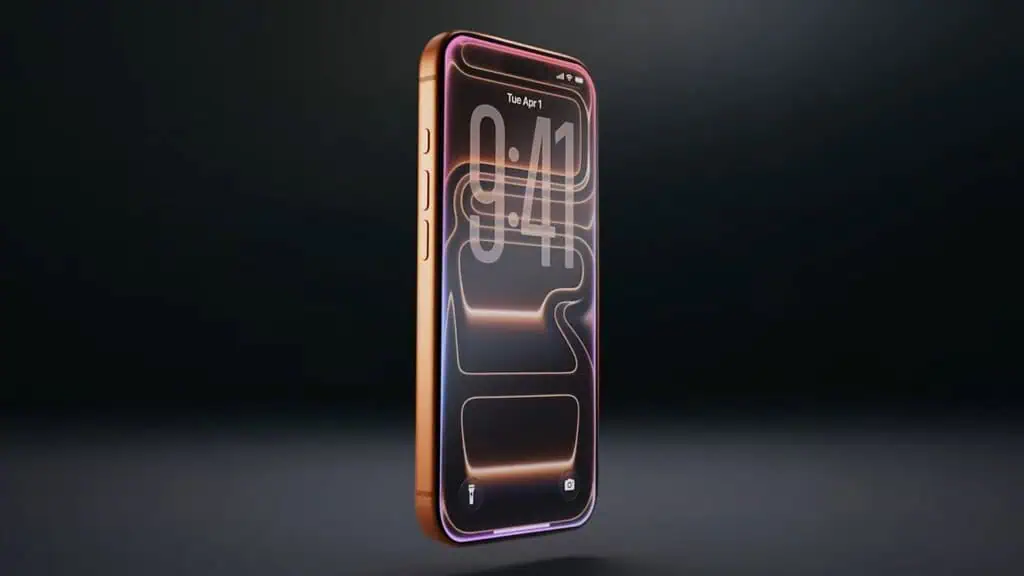
The iPhone 17 Pro Charging Test has officially put Apple back at the top of the smartphone charging game. In a comprehensive comparison involving 33 of the most popular smartphones available right now, the iPhone 17 Pro emerged as the fastest overall charging phone. The results not only put Apple ahead of Samsung, Google, Motorola, and OnePlus, but also reignite the debate over what truly matters when it comes to smartphone charging performance.
While many Android brands focus on showing off massive raw charging wattages, this test took a different approach. It examined how phones perform in everyday real-world conditions instead of just running tests under perfect lab settings. And in that more meaningful environment, Apple came out on top.
The Real-World Charging Test Setup
The methodology behind the test was simple but effective. Each phone began the test with a battery level of 10 percent or lower, just like how most people typically reach for their charger when their battery is running dangerously low. From there, researchers measured how much charge each phone gained after exactly 30 minutes of charging.
This approach is important because charging speed at low battery is very different from charging speed when the battery is nearly full. The first 30 minutes are when most users actually care about charging speeds, especially when in a rush to leave the house or get back to work.
To find the overall winner, testers:
- Combined each phone’s wired and wireless charging speeds
- Averaged the two results into a single score
- Ranked all 33 phones based on that combined performance
- Focused on consistency across both charging methods
The iPhone 17 Pro performed strongly in both wired and wireless tests, which is what ultimately helped it claim the number one spot.
Why the iPhone 17 Pro Won
According to CNET, Apple’s victory came down to balance and efficiency rather than raw speed. While some Android phones offered higher wattages, they didn’t consistently outperform Apple in both wired and wireless testing.
Apple’s flagship also benefits from a few important advantages:
- Smaller battery capacities that fill up faster
- Strong hardware and software optimization
- Efficient power management
- Better thermal control for sustained charging
- Tight integration between iOS and Apple silicon
This means even though competitors may have larger batteries or louder marketing claims, Apple’s phones recover usable battery percentage quickly and reliably. For everyday users, that’s exactly what matters.
Apple Dominates Wireless Charging
One of the biggest surprises in the test came from the wireless charging results. Apple completely dominated this category, claiming four of the top five spots.
Here’s how the top wireless chargers performed after 30 minutes:
- iPhone 17 Pro: 55 percent
- iPhone 17 Pro Max: 53 percent
- iPhone 17: 49 percent
- iPhone Air: 47 percent
- Samsung Galaxy S26 Ultra: 39 percent
That dominance is not by accident. Apple has continued to invest heavily in its MagSafe ecosystem, and the results speak for themselves. The magnetic alignment system ensures the phone is always perfectly positioned over the charging coil. This kind of precision boosts charging efficiency and minimizes wasted energy.
The iPhone 17 Pro also takes advantage of the newer Qi2.2 wireless charging standard, which delivers higher charging speeds while keeping things stable. Combined with the strong magnet alignment, this creates one of the most efficient wireless charging setups in any phone today.
Of course, achieving these speeds requires the right accessories. The report noted that users will need:
- A 30W or higher power adapter
- A MagSafe charger that supports fast charging
- A high-quality USB-C cable for the adapter
Without these, even the iPhone 17 Pro can’t reach its maximum charging potential.
Samsung Still Wins on Wired Charging
While Apple took the overall victory, Samsung was far from defeated. The Galaxy S26 Ultra actually led the pack in wired charging, beating every other phone in raw wired performance.
Here are the top performers for wired charging after 30 minutes:
- Galaxy S26 Ultra: 76 percent
- iPhone 17 Pro: 74 percent
- Moto G Stylus (2025): 74 percent
- OnePlus 15: 72 percent
- iPhone 17 Pro Max: 69 percent
Samsung’s wired performance highlights how aggressive the Android side of the industry has become with charging technology. Brands like OnePlus and Motorola have also stepped up significantly, offering speeds that rival or surpass Apple’s wired performance.
Still, the iPhone 17 Pro’s ability to match Samsung in wired speeds while completely outclassing it in wireless charging is what gave Apple the overall win.
The Bigger Picture in Smartphone Charging
These test results highlight just how much smartphone charging has evolved in the past few years. What used to be a slow and frustrating experience has now become a rapid, efficient process for most users. The introduction of new technologies like Qi2.2 wireless charging and improved USB Power Delivery standards has dramatically reshaped expectations.
The smartphone industry is now split into two clear charging philosophies:
- Apple’s approach, focusing on efficiency, alignment, and steady performance
- The Chinese OEM approach, focused on ultra-high wattages for fast top-ups
- Samsung’s balanced strategy of strong wired speeds with reliable wireless support
- Motorola and OnePlus pushing aggressive wired charging in budget-friendly devices
Each philosophy has its own merits, but the iPhone 17 Pro Charging Test results show that balanced charging often wins in everyday situations.
Why Apple Doesn’t Chase Ultra-High Wattages
It’s no secret that several Chinese smartphone brands advertise charging speeds of 120W, 150W, or even higher. So why doesn’t Apple follow suit?
Apple’s approach focuses on long-term battery health, safety, and consistency. Pushing extremely high wattages can shorten battery lifespan, cause heat issues, and lead to inconsistent charging performance over time. By keeping wattages moderate but optimizing every other part of the system, Apple is able to provide:
- Strong real-world charging speeds
- Better battery longevity
- Safer thermal performance
- Reliable charging behavior across daily usage
This long-term reliability is one reason why many iPhones continue to perform well even years after launch.
What Users Should Take Away
For consumers, the takeaway from the iPhone 17 Pro Charging Test is simple. Charging speeds in modern smartphones have reached a point where most flagship phones can give you several hours of use in just 30 minutes. Whether you choose Apple, Samsung, OnePlus, or Motorola, you’ll likely be happy with how quickly your device tops off.
However, if you prioritize wireless charging or seamless MagSafe convenience, the iPhone 17 Pro stands out as the clear leader. If you value extreme wired charging speeds, Samsung and OnePlus may suit your style better.
What Comes Next
As wireless charging standards evolve and battery technology improves, charging tests like this one will only become more competitive. Apple’s strong showing this year will likely push Android brands to step up their wireless game in future generations.
For now, the iPhone 17 Pro stands tall as the fastest overall charging smartphone of 2026, blending wired performance, MagSafe innovation, and intelligent optimization into one well-rounded package. The race for charging supremacy is far from over, but Apple has clearly delivered a major statement with this win.
Author