Trump Tells Reporter ‘You Better Be Careful’ in Fiery Oval Office Clash Over Whistleblower Rewards
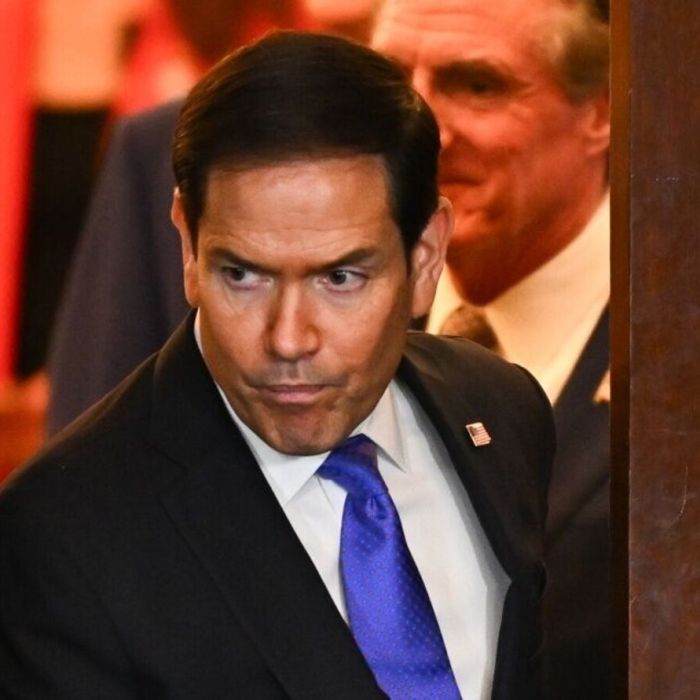
Trump whistleblower program questions triggered one of the more combustible press exchanges of the president’s second term on Tuesday, October 20, when Donald Trump wagged a finger at a journalist and warned him to watch himself. The confrontation unfolded in the Oval Office as the president fielded questions and quickly escalated from policy disagreement to personal attack.
The reporter, later identified by the White House Rapid Response Team as Andrew Feinberg of The Independent, had pressed Trump on an apparent inconsistency in a newly announced initiative designed to reward people who expose fraud in the federal government.
The Question That Lit the Fuse
Feinberg’s query was technical but pointed. The new program, he noted, offers whistleblowers a one percent commission on recovered funds. Under the long-standing False Claims Act, by contrast, whistleblowers can receive at least ten percent of what the government recovers. Why, he asked, would the administration launch a scheme that pays so much less?
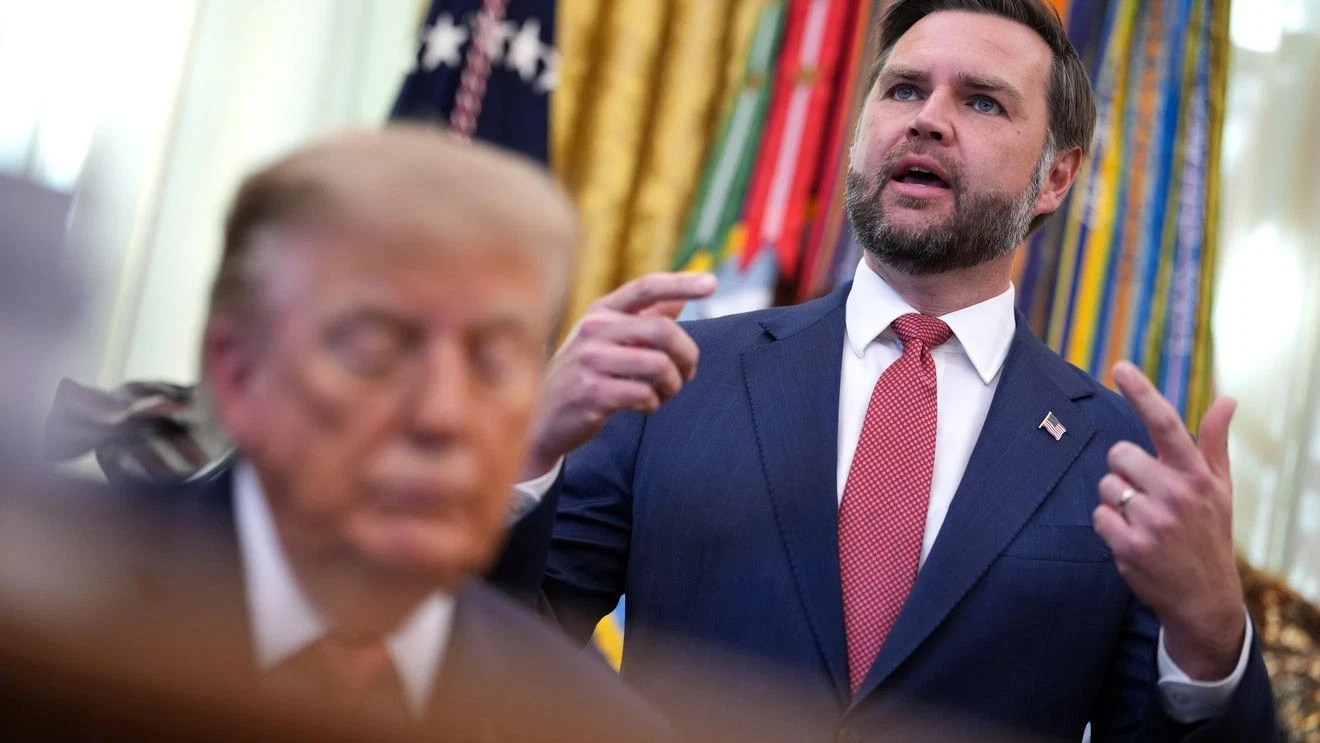
Trump’s response was not to engage with the numbers. He declared that he had no idea who Feinberg was and warned him to be careful, raising a finger as he spoke.
A Second Rebuke
The exchange did not end there. When Feinberg moved on to a question about the president’s golf courses, Trump cut him off sharply, telling him to be quiet and asking what was wrong with him. He went further, suggesting the reporter might be a sick person and that something was wrong with him.
The remarks drew immediate attention for their intensity, even by the standards of a president known for sparring with the press.
Vance Steps In With the Policy Defence
Vice President JD Vance took on the substance of the question, though he too characterised it as dishonest. According to KUTV, Vance argued that the comparison with the False Claims Act was misleading because that law covers only a narrow category of fraud.
More than 99 percent of the fraud the administration is uncovering across federal agencies, he said, falls outside the False Claims Act entirely. The president’s goal, Vance explained, is to create an incentive for people to report any kind of fraud they encounter, not just the limited slice that existing law already rewards. Anyone who finds evidence and helps the government claw back money should benefit, in his framing.
The argument, in short, is that the new program expands eligibility even if it offers a smaller percentage, and that comparing the two rates without acknowledging the difference in scope misrepresents the policy.
What the Numbers Actually Mean
The False Claims Act is one of the government’s most powerful anti-fraud tools. It allows private individuals to sue on behalf of the United States against contractors and others who defraud federal programs, and successful whistleblowers typically receive between 15 and 30 percent of recovered funds, with a floor of 10 percent in cases where the government takes over the litigation.
The new program’s one percent commission is dramatically lower. Whether that makes it a weaker incentive or simply a different tool for a different category of wrongdoing depends on how broadly it applies and how much money it ultimately recovers. Critics will argue that one percent is too little to motivate people to risk their careers; supporters will say that something is better than nothing for the vast majority of fraud that currently goes unrewarded.
A Pattern of Confrontation
Tuesday’s clash fits a familiar template. Trump has long treated adversarial questions as personal affronts and has made attacks on journalists a regular feature of his public appearances, frequently labelling unfavourable coverage as fake news.
Recent examples include:
A public outburst last month directed at CNN anchor Kaitlan Collins after Trump spotted her at the United Nations General Assembly.
An attempt to bar CNN, Politico and MS NOW from the White House, which a federal judge subsequently blocked.
The Feinberg exchange adds another entry to that list and reinforces the sense that the administration’s relationship with the press corps is defined as much by conflict as by communication.
Why the Golf Question Stung
The second half of the confrontation is worth noting separately. Trump’s golf properties have been a recurring subject of scrutiny, with critics questioning whether presidential visits and foreign bookings create conflicts of interest. The president’s sharp reaction to the topic suggests it remains a sensitive one.
That Feinberg paired a fraud-reward question with a golf-course question may have been coincidental, but the combination clearly struck a nerve.
The Bigger Picture
Beyond the theatrics, the episode raises a real policy debate about how best to encourage fraud reporting. If the administration is serious about recovering billions in misspent federal money, the design of its incentive program matters. A one percent commission may be adequate for low-risk tips but insufficient for insiders who would face retaliation for coming forward.
That conversation was largely drowned out on Tuesday by the president’s personal attacks on the reporter who raised it. For an administration that has made fraud detection a signature priority, the question of whether its rewards are generous enough deserves a more considered answer than the one Feinberg received.
Author