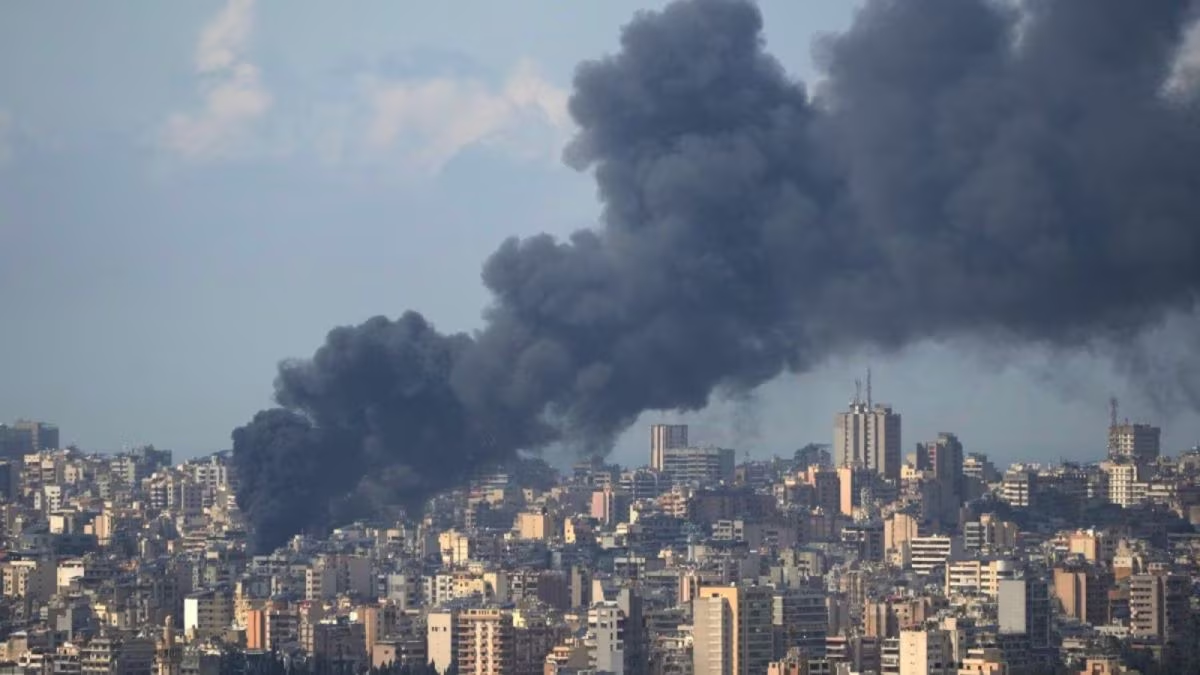
The Middle East crisis took another dangerous turn this week as Kuwaiti state media reported a missile and drone attack on the country, sending sirens blaring across cities while residents braced for the worst. Against this backdrop of escalating violence, US President Donald Trump struck a strikingly calm tone, telling Americans the situation would “all work out well in the end.”
The contrast between events on the ground and the messaging from Washington has left many observers uneasy. Here’s a closer look at what’s unfolding.
Sirens Sound Across Kuwait
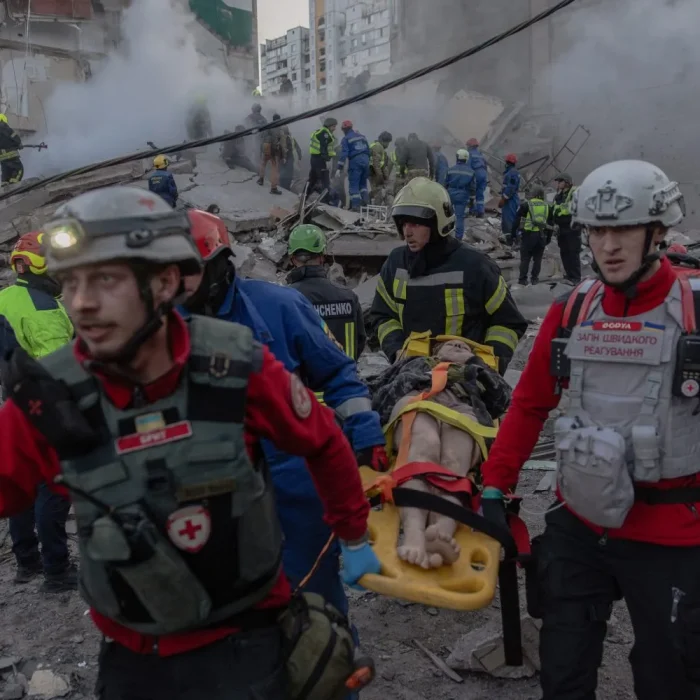
According to Kuwaiti state media, warning sirens rang out nationwide after reports of an incoming missile and drone assault. For a country that has largely stayed on the sidelines of recent regional conflicts, the attack marked a sharp and alarming escalation.
The strike appears to be tied directly to the wider confrontation between the United States and Iran, with Tehran later signaling that Kuwait had become a target because of its connection to recent American military operations.
Trump Tells Critics to “Sit Back and Relax”
In a post on his Truth Social platform, Trump expressed confidence that diplomacy with Iran was still on track. He claimed that “Iran really wants to make a deal,” while sharply criticizing those questioning his approach.
The president took aim at both political opponents and members of his own party, accusing them of constant “chirping” over how he should handle the conflict. In his view, the relentless commentary, demands to either move faster or slower, to go to war or hold back, only made his job of negotiating harder.
His message to the doubters was blunt: stop second-guessing, stay patient, and trust that things will resolve themselves as they always do.
Notably, Trump’s post made no mention of either the attack on Kuwait or the US strikes carried out against Iran over the weekend, an omission that did little to calm anxious observers.
Iran Says No Nuclear Talks Are Happening
While Trump projected optimism about a potential agreement, Iran’s foreign ministry painted a very different picture. Spokesperson Esmaeil Baqaei stated plainly that no discussions were currently taking place regarding the details of Tehran’s nuclear program.
Speaking at a weekly press briefing, Baqaei made clear where Iran’s focus lies right now:
- No negotiations have begun over the specifics of the nuclear file.
- Tehran believes it will act on nuclear matters only when it deems necessary.
- The immediate priority is bringing an end to the ongoing war, not discussing nuclear terms.
This directly contradicts the impression Trump has tried to create, suggesting that talk of a “deal” may be far more aspirational than actual.
Lebanon Ceasefire Set as a Condition
One of the clearest demands from Tehran involves Lebanon. Baqaei insisted that any agreement aimed at ending the war must include a ceasefire there, calling it an essential, non-negotiable condition.
The demand comes as Israel widens its military operations in Lebanon, a development Iran views as deeply connected to American policy. For Tehran, the actions of Israel and the United States cannot be separated, meaning any path to peace must address the situation in Lebanon head-on.
Mistrust Is Slowing Everything Down
According to Iran’s foreign ministry, several factors are dragging out the diplomatic process. Chief among them is a deep lack of trust between the two sides.
Baqaei described an atmosphere thick with suspicion, where messages are exchanged cautiously and progress is painfully slow. He pointed to what he sees as Washington’s inconsistency as a major obstacle, accusing the US of:
- Repeatedly shifting its positions.
- Introducing new demands midway through talks.
- Presenting conditions that often contradict one another.
In Tehran’s eyes, these constant changes make meaningful negotiation nearly impossible and all but guarantee that any process will be drawn out.
Iran Defends Strike on Kuwait
Perhaps most significantly, Baqaei confirmed Iran’s role in the Kuwait attack and framed it as a response to American aggression. He argued that the overnight US strikes on Iran violated an existing ceasefire, prompting Tehran to retaliate against the positions from which those strikes originated.
Iran’s message was unambiguous: it will take whatever steps it considers necessary to protect its national security. Far from backing down, Tehran signaled a readiness to respond forcefully to any perceived attack.
Two Very Different Narratives
What emerges from this moment is a striking gap between how Washington and Tehran are describing the same crisis.
On one side, Trump insists that Iran is eager to negotiate and that calm patience will deliver a positive outcome. On the other, Iran says no real nuclear talks are happening, lays out firm conditions involving Lebanon, blames the US for prolonging tensions, and openly defends launching strikes on Kuwait.
These competing narratives matter. When the two parties at the center of a conflict cannot even agree on whether negotiations are underway, the risk of further miscalculation grows.
Why This Moment Feels So Precarious
The combination of factors at play makes the current situation especially volatile:
- A new country, Kuwait, has now been pulled directly into the fighting.
- Active military strikes are being exchanged between the US and Iran.
- A fragile ceasefire appears to have already broken down.
- Israel’s expanding role in Lebanon adds another layer of complication.
- Public messaging from leaders is sharply at odds with reality on the ground.
Each of these alone would be cause for concern. Together, they paint a picture of a region balanced on a knife’s edge.
What Comes Next
For now, the path forward remains deeply uncertain. Trump continues to project confidence that everything will fall into place, while Iran insists that real progress depends on trust, consistency, and concrete steps like a ceasefire in Lebanon.
Whether these two visions can ever be reconciled is the question hanging over the entire Middle East crisis. Until they are, the world will be watching closely, hoping that calm reassurances eventually translate into genuine de-escalation rather than empty words spoken while sirens continue to sound.
Author