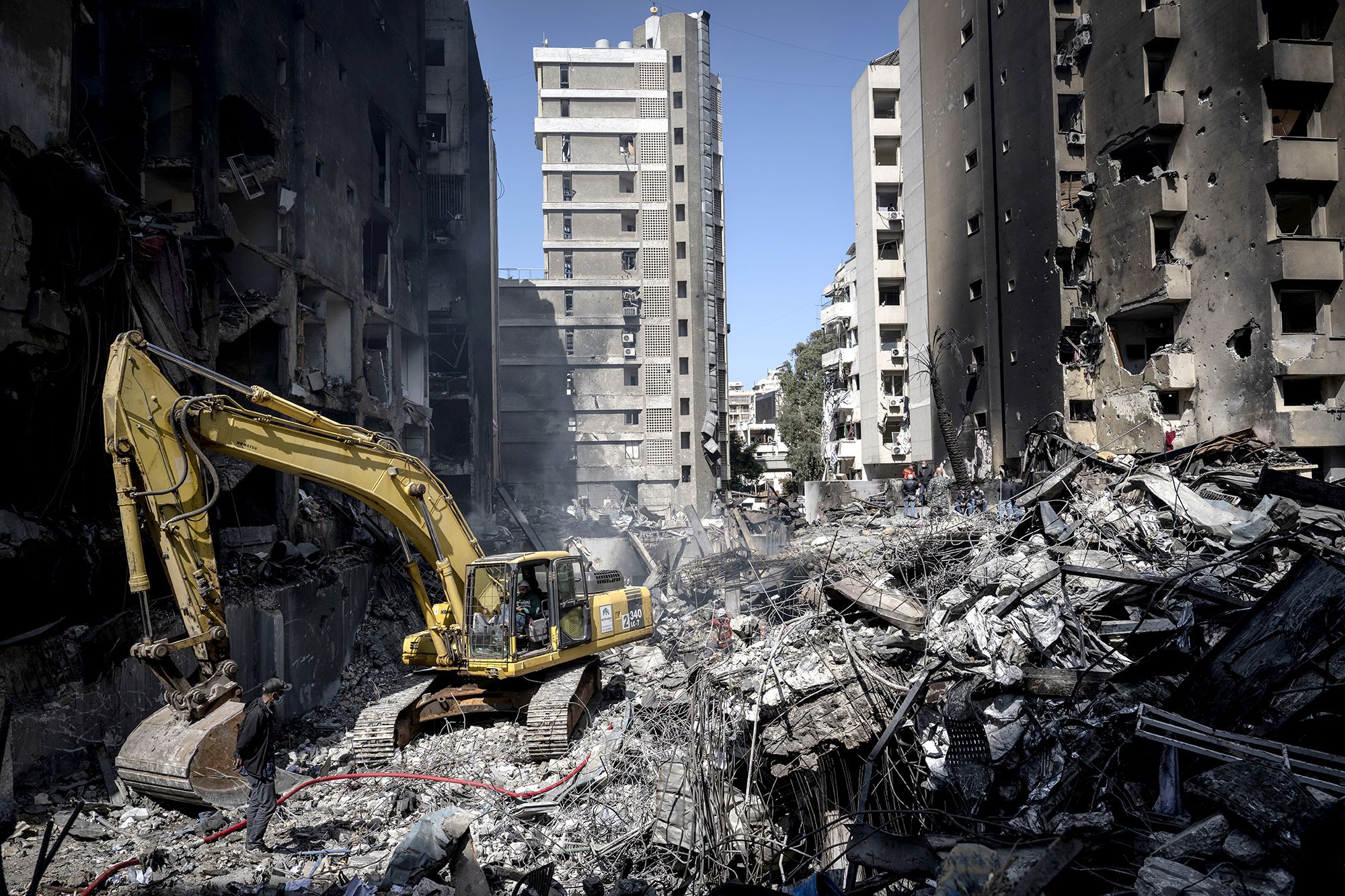
The latest U.S. effort to broker a Lebanon ceasefire has stalled at the worst possible moment. Even as Washington pushed for calm, Israel has been widening its ground invasion and pressing the United States for approval to launch heavy strikes on Hezbollah targets inside Beirut, according to sources speaking with Axios.
The collapse of this diplomatic push signals a troubling shift in a conflict that already appears to be slipping beyond anyone’s control.
Why the Stalled Talks Matter
For several weeks, the United States has urged Israel to hold back from striking Beirut, framing restraint as part of a larger strategy to cool tensions across the region. But that position now looks shakier than before.
A U.S. official hinted that Washington’s stance could soften, suggesting there are limits to how long Israel can be expected to hold its fire. According to that official, the United States does not expect Israel to keep absorbing attacks on its civilians from what it considers a terrorist organization.
That subtle change in tone could prove significant, potentially opening the door to the very escalation American diplomacy has been trying to prevent.
The Bigger Picture: Lebanon and the Iran Deal
The push to ease tensions in Lebanon is not happening in isolation. It is closely tied to the Trump administration’s broader ambition of reaching an agreement with Iran.
The memorandum of understanding currently being negotiated between Washington and Tehran reportedly includes an end to the fighting in Lebanon. In other words, calming the Lebanese front is seen as a stepping stone toward a wider deal with Iran.
The problem is timing. Rather than winding down, the conflict is expanding, and many fear it is on the verge of spiraling out of control, threatening the very negotiations it was meant to support.
Rubio’s Last-Minute Diplomatic Push
In an attempt to revive the process, Secretary of State Marco Rubio spent the past 48 hours speaking with both Lebanese President Joseph Aoun and Israeli Prime Minister Benjamin Netanyahu. The goal was to launch a fresh ceasefire initiative before the situation deteriorated further.
A Lebanese official confirmed that Rubio raised the proposal directly with Aoun. The core idea was relatively straightforward:
- Hezbollah would stop its missile and drone attacks against Israel.
- Israel, in return, would avoid escalating operations in Beirut.
According to the U.S. official, Aoun responded positively. He reportedly asked Nabih Berri, the speaker of Lebanon’s parliament, to lean on Hezbollah to halt its strikes into Israel.
Berri, who leads a major Shia party and maintains close ties to Hezbollah, was seen as a crucial link. But his reaction reportedly fell flat.
An “Evasive” Response from Hezbollah’s Allies
The U.S. official described Berri’s response as both evasive and disappointing. Rather than committing Hezbollah to a halt, he reportedly suggested that Israel should be the one to stop firing first.
That kind of mutual finger-pointing has become a defining feature of the conflict, with each side insisting the other must take the first step toward calm. The result is a deadlock that no amount of diplomatic shuttling has managed to break.
Ceasefires That Exist Only on Paper
It’s worth stepping back to acknowledge a sobering reality. Over the past two months, President Trump and Secretary Rubio have announced several ceasefires between Israel and Lebanon. Yet most of them have existed in name only.
Both Israel and Hezbollah have repeatedly violated these agreements, rendering them largely meaningless. This pattern raises serious doubts about whether any new initiative can hold, no matter how carefully it is crafted.
Negotiations Quietly Continue
Despite the breakdown of the latest ceasefire effort, behind-the-scenes talks between Israel and Lebanon have not stopped entirely.
On Friday, Israeli and Lebanese military officers met at the Pentagon to discuss several thorny issues, including:
- A potential ceasefire arrangement.
- The withdrawal of Israeli forces from Lebanese territory.
- The disarming of Hezbollah.
- The deployment of the Lebanese armed forces across southern Lebanon.
Looking ahead, Israeli and Lebanese diplomats are expected to gather at the State Department later in the week for another round of discussions. Still, no major breakthrough has emerged so far.
How the Conflict Reached This Point
To understand the current crisis, it helps to trace how the fighting began. Hezbollah launched its missile and drone campaign against Israel after Israel went to war with Iran, Hezbollah’s main backer, and assassinated Supreme Leader Ali Khamenei.
Israel responded with sustained airstrikes and a ground invasion of southern Lebanon. What started as a military operation has since expanded into a large-scale occupation. In turn, Hezbollah has extended the range of its attacks, striking deeper into Israeli territory.
In recent days, Israel has not only widened its ground campaign but also asked the Trump administration for permission to carry out major strikes in Beirut. That request marks a sharp departure from earlier expectations, given that Trump had previously stressed Israel should limit itself to “surgical” strikes.
Competing Pressures Behind the Scenes
According to a senior Lebanese official, the deeper truth is uncomfortable: neither Hezbollah nor Israel genuinely wants a ceasefire right now. Just as troubling, the official argued that the United States has not taken firm enough action to stop Netanyahu from escalating.
At the same time, outside forces are pulling in the opposite direction. The same Lebanese official claimed that Iran’s Revolutionary Guards have been encouraging Hezbollah to escalate, hoping to use the conflict as a bargaining chip in the ongoing U.S.-Iran negotiations.
A Conflict Caught Between Diplomacy and Disaster
What emerges is a picture of a crisis being tugged in multiple directions at once. Washington wants calm in Lebanon to smooth its path toward an Iran deal. Israel feels increasingly justified in escalating. Hezbollah resists making the first move. And Iran appears content to let the fighting simmer as leverage.
With ceasefires repeatedly collapsing and Israel openly seeking approval for major strikes on Beirut, the gap between diplomatic intentions and battlefield realities has rarely looked wider. Unless something shifts dramatically, the Lebanon ceasefire effort may remain little more than words, while the fighting on the ground grows more dangerous by the day.
Author