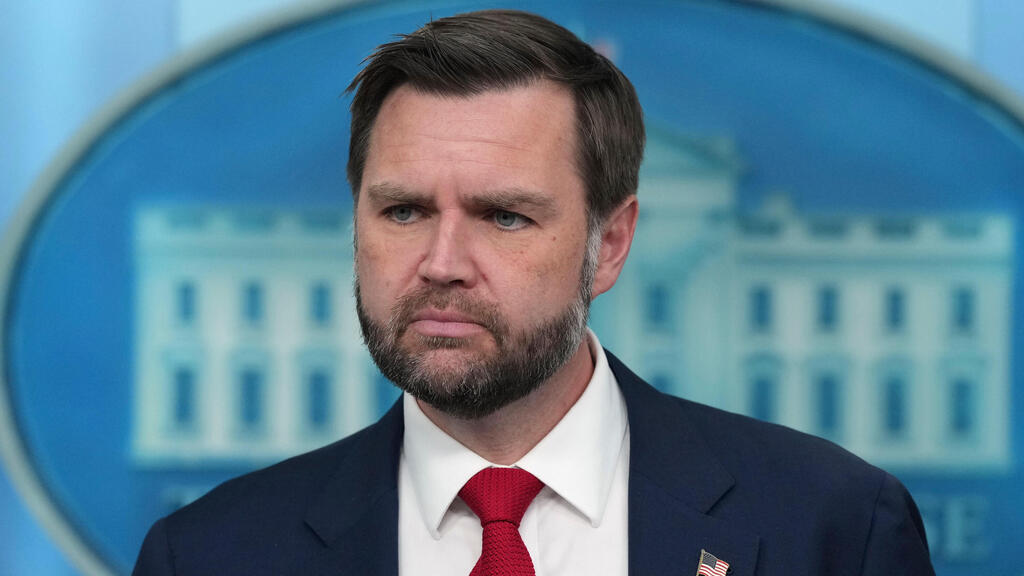
The US-Iran talks in Switzerland are moving forward, but they arrive wrapped in tension. Vice President JD Vance has touched down in the country to take part in a fresh round of negotiations, even as renewed fighting in Lebanon and a dispute over a vital shipping lane threaten to throw the whole process off course.
Vance Arrives for a High-Stakes Round of Diplomacy
According to his office, Vance landed in Switzerland to join discussions aimed at ending the war between Washington and Tehran. Speaking briefly to reporters before boarding his flight, he set modest expectations on timing, noting he could only stay for a day or two. Still, he laid out two clear priorities he hoped to push forward.
The first is progress on the nuclear question. The second is the fragile ceasefire situation in Lebanon. Vance acknowledged that the Iranians would arrive with their own list of concerns, and that flexibility would be part of the equation.
He will not be working alone. Special envoy Steve Witkoff and Jared Kushner, the president’s son-in-law, were already on the ground in Europe ahead of his arrival. The talks are being mediated with involvement from Pakistan and Qatar, both of which have a stake in calming the broader region.
Lebanon Emerges as the First Hurdle
Although the agenda includes weighty matters like nuclear policy, Lebanon has quickly moved to the front of the line. A diplomatic source indicated that the conflict between Israel and Hezbollah would be the very first topic tackled once the sessions begin, and reports suggest an emergency session was added to the opening day’s schedule to address it directly.
Iran’s delegation made its position clear before talks even started. Tehran has warned that little progress can happen until the violence in Lebanon is dealt with. From Iran’s perspective, the recent Israeli strikes amount to a breach of the understanding the two sides reached earlier in the week, and that grievance now hangs over everything else.
The Iranian team is being led by Speaker Mohammad Bagher Ghalibaf alongside Foreign Minister Abbas Araghchi. Their stated aim is to make sure every party fully honors the interim agreement designed to bring the war to an end.
Bloodshed on the Ground
The fighting in Lebanon has been severe. Despite a declared truce between Israel and Hezbollah, the two sides have continued trading fire. Israeli strikes have killed a significant number of people in Lebanon over the past two days, with reports indicating sixteen deaths on Saturday alone, making this some of the deadliest stretch of the current conflict.
The violence has run in both directions. Israeli military officials said Hezbollah launched more than fifty rockets and projectiles overnight, targeting troops operating in southern Lebanon. Several Israeli soldiers were also reported killed in the fighting, underscoring how quickly the situation has escalated even with a ceasefire supposedly in place.
The core sticking point appears to be the presence of Israeli forces inside Lebanese territory. Iran’s military has accused Washington of failing to uphold the first point of the agreement, pointing to Israel’s continued positioning in southern Lebanon as the central violation.
The Battle Over the Strait of Hormuz
Layered on top of the Lebanon crisis is a sharp dispute over one of the world’s most important waterways. Iran announced that it was closing the Strait of Hormuz in response to the renewed Israeli strikes, framing the move as retaliation for what it views as broken promises.
The United States flatly rejected that claim. US Central Command stated plainly that Iran does not control the strait, that traffic continues to move through it, and that American forces are watching closely to keep it that way.
The numbers appear to back up the US position. Vance told reporters earlier that there was no evidence Iran was actually shutting the route down, pointing out that roughly sixteen million barrels of oil had passed through the waterway in a single twenty-four-hour window. Maritime tracking data also showed a notable spike in vessel crossings in recent days, suggesting commercial traffic was flowing rather than freezing.
Even so, caution lingers. Some shipping companies remain wary of the route because of security worries, and a number of tankers have stayed anchored nearby, waiting to see how conditions develop.
Trump Weighs In With Threats and Promises
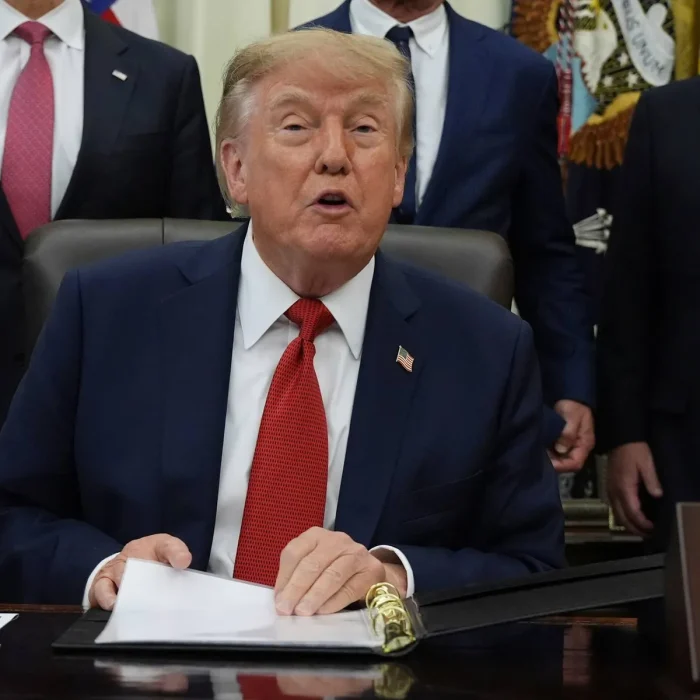
President Donald Trump has stayed closely engaged with the situation. He threatened to impose US tolls on the shipping lane if a deal with Tehran ultimately falls through, while also signaling that no tolls would apply during the ceasefire period itself.
The current diplomatic push follows a turbulent stretch. After major combat operations earlier in the year and a failed round of talks in Pakistan, the two presidents announced a breakthrough, signing a memorandum of understanding earlier in the week. That document calls for the strait to reopen, for an extended ceasefire to hold, and for sixty days of direct negotiations aimed at a far broader peace agreement.
What Comes Next
The venue for the discussions is the Bürgenstock Resort, a luxury property overlooking Lake Lucerne and the Swiss Alps, which has been closed to the public to accommodate the sensitive talks. Whether the setting’s calm can translate into diplomatic calm remains uncertain.
The path ahead is narrow. The negotiators must somehow keep the nuclear conversation alive while simultaneously preventing the Lebanon fighting from collapsing the entire framework. With both sides arriving frustrated and accusations flying over the strait, the coming days will test whether the fragile agreement signed this week can survive contact with reality on the ground.
Author