Pope Leo XIV’s Encyclical on AI: A Powerful Call to Protect Humanity
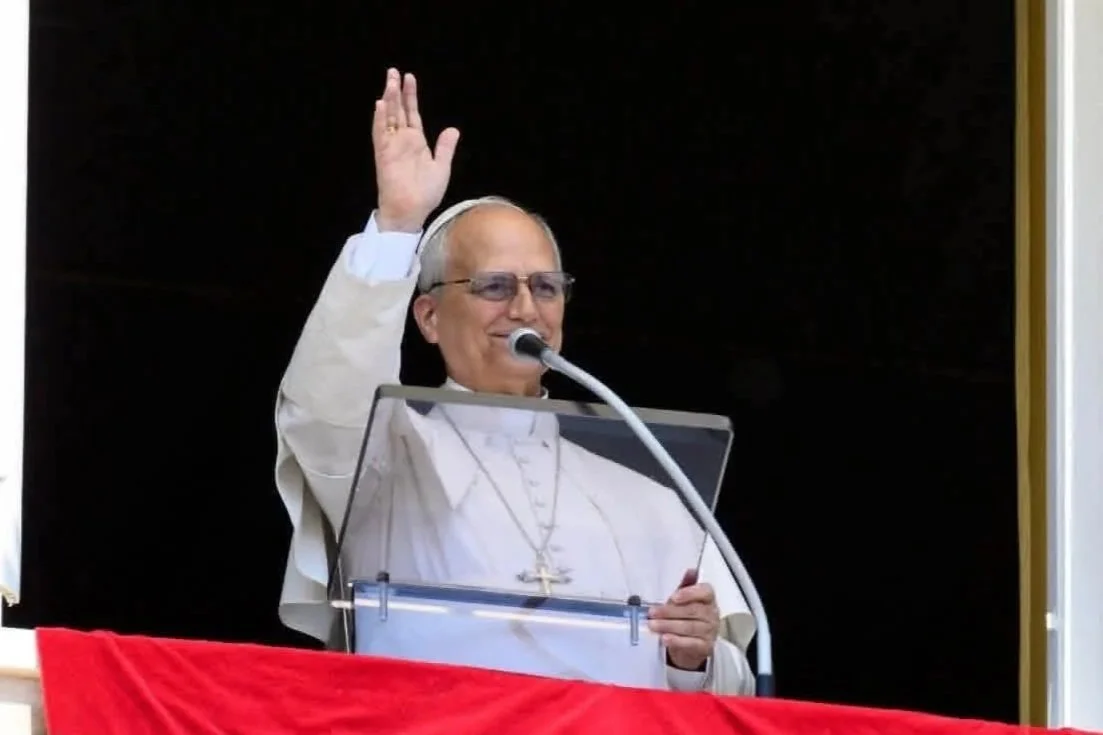
The Pope Leo encyclical on AI has arrived at a moment when the world stands on the edge of a sweeping technological transformation. Titled “Magnifica Humanitas,” meaning “Magnificent Humanity,” the document is the first encyclical from the American-born pontiff and is already being viewed as one of the most important religious teachings of this era. It pushes readers to confront how artificial intelligence is reshaping work, relationships, ethics, and even our sense of what it means to be human.
A Historic Document With Deep Roots
Pope Leo XIV signed “Magnifica Humanitas” on the 135th anniversary of a landmark teaching known as “Rerum Novarum,” a 19th-century encyclical that addressed the rights of workers during the Industrial Revolution. The original was authored by Pope Leo XIII, whose name inspired the current pope’s chosen title.
By echoing that earlier moment in history, Leo XIV signals that artificial intelligence may be the defining moral challenge of his papacy. The 42,300-word letter addressed to the world’s 1.4 billion Catholics is wide-ranging, but several themes stand out as especially powerful.
AI Is Not Human, No Matter How Advanced It Looks
One of the strongest messages in the encyclical is the clear line drawn between human beings and machines. Pope Leo argues that while AI systems can imitate aspects of human intelligence and even surpass us in speed and processing power, they remain fundamentally limited.
These systems do not feel pain or joy, do not experience love or friendship, and do not grow through real relationships. They process data, but they do not live.
This view challenges a growing trend among some AI researchers who have raised questions about whether machines could one day possess emotions or consciousness. The pope rejects this framing and reminds readers that intelligence alone does not equal humanity.
Workers Must Be Protected in the Age of Automation
The encyclical does not shy away from the economic consequences of AI. Pope Leo highlights that automation is already changing the job market, especially for entry-level roles. As both blue-collar and white-collar industries face disruption, he insists that worker dignity must remain at the heart of every economic system.
Some of the key points he raises include:
- The right to fair and sufficient wages
- The importance of stable career paths
- The need to evaluate technology by more than just efficiency
- The duty to allow workers to participate meaningfully in society
He also speaks out against what he describes as new forms of digital-era exploitation. This includes underpaid workers who handle data labeling and content moderation, as well as young laborers in dangerous mining conditions extracting rare earth materials that power the global tech industry.
Every Person Matters, Not Just the Innovators
Pope Leo acknowledges that the world is moving through a major shift, what he calls a “change of era.” But while leaders in Silicon Valley shape this future, most people are simply watching from a distance and hoping for the best.
To highlight this tension, the Vatican invited several tech leaders to the encyclical’s official presentation, including a co-founder of Anthropic. Yet the document itself reminds the world that ordinary people, those not building the technology, also deserve protection and respect.
Leo stresses that a person’s worth is not based on productivity or output. The word “dignity” appears in the text 100 times, underscoring the encyclical’s central belief that every human being holds value simply by existing.
A Warning Against a Modern Tower of Babel
Drawing from the biblical story of the Tower of Babel, Pope Leo warns against the dangers of building a world driven by uniformity and unchecked ambition. The ancient tale describes humanity attempting to construct a tower reaching the heavens, only to be scattered by divine intervention.
Leo uses this imagery to caution against the rise of a global culture that increasingly speaks one technological language while losing its diversity, humility, and spiritual depth. He encourages readers to embrace differences rather than allow technology to flatten cultures into a single, mechanical mold.
Concrete Concerns About Children and Society
Beyond philosophy and theology, the encyclical also addresses practical issues. Pope Leo references psychological and psychiatric research showing that early exposure to digital devices and social media can harm sleep, attention, emotional regulation, and relationships, especially in young people.
He raises concerns about:
- Childhood addiction to screens
- Online bullying and exploitation
- Data ownership and privacy
- The development of AI-powered weapons
This grounded approach shows that Leo is not only speaking as a spiritual leader but also as someone deeply concerned with the day-to-day realities families face.
Celebrating the Beauty of Being Human
At its heart, “Magnifica Humanitas” is not primarily about machines but about people. Pope Leo writes with warmth about humanity’s flaws, vulnerabilities, and limits. While technology may outperform humans in raw efficiency, he argues that what truly defines us cannot be measured in numbers.
He welcomes scientific progress that reduces suffering and opens new possibilities, but only when it does not erode our ability to love, connect, and care for one another.
A Lasting Message for a Changing World
The Pope Leo encyclical on AI ends with a hopeful reminder that the greatness of humanity lies in its capacity for relationship, compassion, and meaning. In a world racing toward an uncertain technological future, this document calls on every person, leader, and institution to make sure that human dignity remains the foundation of progress.
Author