Spirit Airlines Failure: The Story Behind the Story
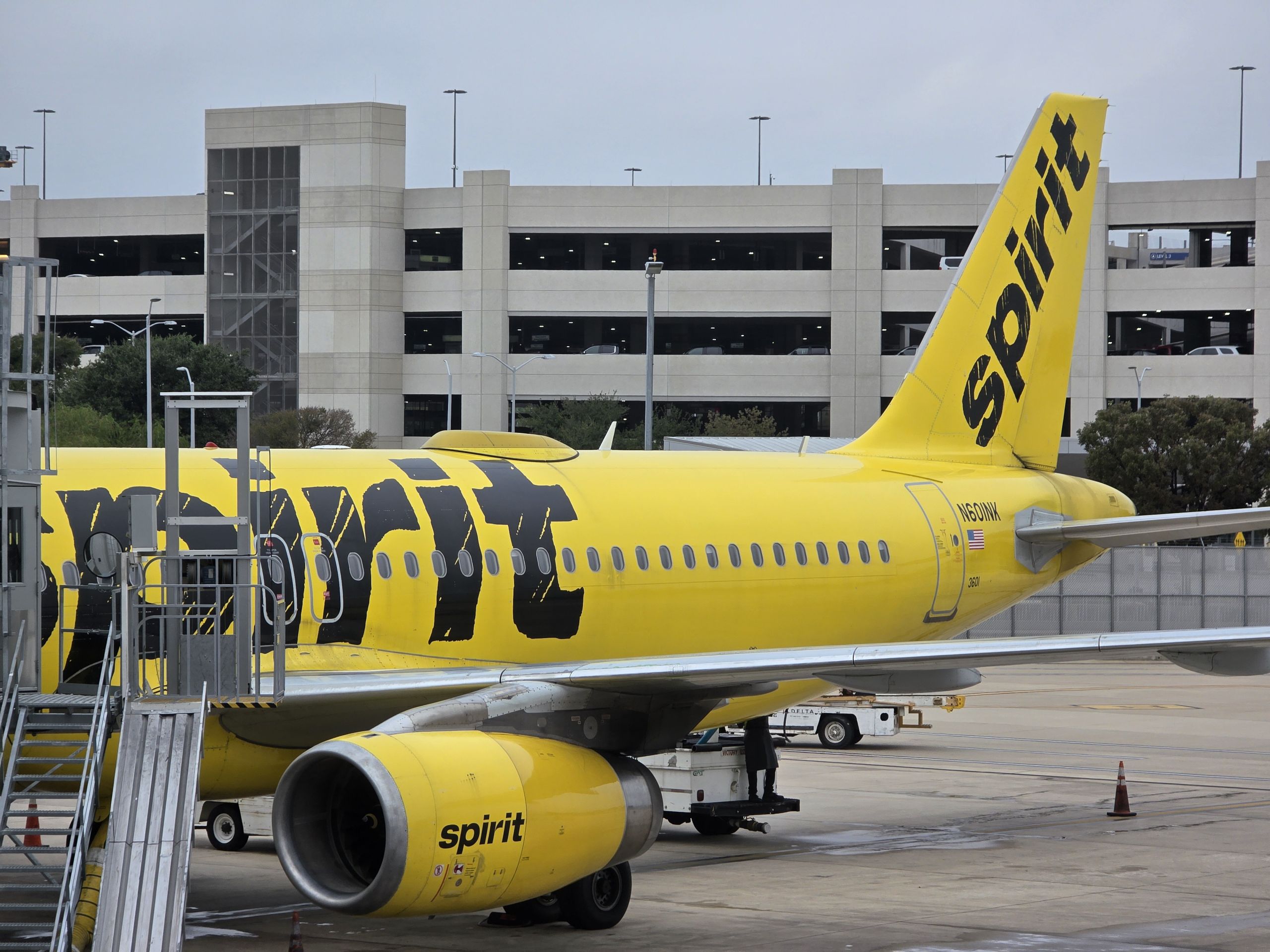
Spirit Airlines Failure is often blamed on a single event: the Biden administration blocking JetBlue’s attempted acquisition. It’s a clean, easy narrative, and it has become widely accepted as the reason behind Spirit’s collapse. The problem is that the story is incomplete and, in many ways, misleading.
Spirit didn’t fall apart because regulators stepped in. It fell apart because its costs climbed, its product no longer matched what travelers wanted, and the major airlines figured out how to compete with it more effectively. That’s a very different story than the one being told in political circles.
Why Spirit Really Struggled
The roots of Spirit’s troubles go far deeper than any merger drama. Several factors were eating away at the airline well before the JetBlue deal entered the picture.
Some of the key reasons behind Spirit’s decline include:
- Rising operational costs that eroded its low-fare advantage
- A product offering that increasingly mismatched what consumers wanted
- More aggressive competition from United, Delta, and American
- Slightly better products from major carriers at similar prices, drawing customers away
- Difficulty reinventing itself in a market where ultra-low-cost flying had lost its appeal
When the legacy airlines started offering basic economy fares with a slightly more comfortable experience, customers increasingly chose them over Spirit. The price gap shrank, and once it did, Spirit’s biggest selling point lost its punch.
The Reality Behind the JetBlue Deal
If JetBlue had been allowed to buy Spirit, the outcome wouldn’t have looked anything like a rescue. JetBlue itself has been losing money for six years and is actively trying to shrink its way back to profitability.
Some of JetBlue’s recent moves include:
- Paying pilots not to fly to manage staffing costs
- Offering pilots early retirement packages
- Scaling back its fleet plans, even fewer than what it had originally ordered
- Eliminating numerous cities from its route map entirely
In other words, JetBlue is in no position to absorb a struggling airline like Spirit and continue operating its planes and pilots as before. Spirit’s shareholders would have walked away with a payout, but the planes and crews wouldn’t have continued flying under JetBlue’s brand at the scale many imagined.
Why JetBlue Wanted Spirit in the First Place
This is where the story gets more interesting. JetBlue’s interest in Spirit wasn’t simply about expansion. It was tied directly to its strategy in Boston, New York, and Fort Lauderdale.
JetBlue had a partnership with American Airlines, known as the Northeast Alliance, that gave it access to coveted slots in New York. The problem was that JetBlue didn’t have enough planes and pilots to take full advantage of that opportunity without pulling back in other parts of its network. Buying Spirit was meant to solve that problem by quickly providing the additional aircraft and crew JetBlue needed.
That’s why the failure of the American-JetBlue partnership matters so much in this story.
The “Original Antitrust Sin”
The real turning point was when the Biden administration sued to dismantle the American Airlines-JetBlue partnership, which had previously been approved during the first Trump administration. That decision had a domino effect on the entire airline competitive landscape.
Several issues stand out about how the case was handled:
- The Department of Transportation had previously entered into a settlement supporting the partnership
- The DOJ wasn’t bound by that settlement and pursued a different path
- It introduced uncertainty into how regulatory approvals carry across administrations
- It was rooted in an antitrust theory that treated joint network planning as inherently illegal
- It largely ignored a fuller analysis of consumer benefit and overall market competition
The breakdown of the Northeast Alliance left JetBlue without the strategic foundation that had made buying Spirit make sense in the first place. Even though the deal no longer fit JetBlue’s broader plan, management stayed committed to it. By the time the merger was blocked, the strategic logic had already collapsed.
The Department of Justice Flipped Its Story
One of the most striking elements of the legal saga is how dramatically the government’s narrative shifted depending on which deal it was opposing.
When fighting the American-JetBlue partnership, the DOJ went out of its way to praise JetBlue, including statements that called the airline:
- A pro-passenger disruptor that drives prices down
- Unique among low-cost carriers
- Competitive with legacy airlines in ways other LCCs couldn’t match
- A long-standing foil to legacy airlines in the northeastern US
- A close competitor that constrained legacy pricing
- A driver of what regulators dubbed the “JetBlue Effect,” which they argued saved consumers billions
But when JetBlue moved to buy Spirit, the same agency suddenly described JetBlue as a potential monopolist that would harm consumers if the deal went through. That kind of contradiction raised eyebrows, especially when the larger competitive picture in markets like New York and Fort Lauderdale was considered.
Why JetBlue and American Together Mattered
The Northeast Alliance was more than just a route-sharing deal. It was a major strategic move that would have elevated JetBlue into the global stage in meaningful ways.
Some of the most important benefits of the partnership included:
- JetBlue’s planned entry into the oneworld alliance
- Access to global partner networks for its frequent flyer program
- Ability for customers to redeem points internationally, including for business class
- Access to airport lounges worldwide
- A pathway to a more lucrative cobrand credit card deal, which is where U.S. airlines generate most of their high-margin revenue
The unraveling of these benefits not only hurt JetBlue’s strategic ambitions but also weakened its rationale for absorbing Spirit. Once that part of the equation collapsed, the merger lost its purpose, even if the executives at JetBlue refused to walk away from it.
Spirit Was Too Far Gone Already
Even putting aside the regulatory drama, Spirit had been heading in a difficult direction for years. The market for ultra-low-cost flying had begun to soften long before the JetBlue deal entered the picture.
Some of Spirit’s deeper challenges include:
- Cost structures that no longer aligned with its fare model
- Customer expectations shifting toward better service at modest premiums
- Major carriers introducing low-end fare classes that effectively neutralized Spirit’s advantage
- Operational and reliability struggles that hurt its brand
- A constrained ability to invest in product upgrades that could move it upmarket
Even Spirit’s most optimistic restructuring plan now assumes that around 60 percent of the airline’s planes will leave the fleet. That’s hardly the type of outcome that a JetBlue takeover would have prevented.
Why a Government Rescue Wouldn’t Work
There has been growing chatter about a potential government rescue of Spirit, but the case for it is shaky at best. There are several reasons why:
- There is no plausible legal basis for the government to bail out a private commercial airline
- Spirit is still losing so much money that even a rescue may not save it
- A bailout could destabilize other low-cost carriers, including Frontier, which is also losing money and competes directly with Spirit
- Spirit and JetBlue are the two largest competitors in Fort Lauderdale, raising additional market concerns
- Government ownership creates obvious conflicts of interest, since the same entity would also be Spirit’s regulator
Already, low-cost carriers are lobbying for indirect support, including a suspension of the excise tax on domestic tickets and the fee that funds air traffic control. While such measures may help individual airlines, they don’t address the underlying structural challenges in the ultra-low-cost segment.
The Bigger Lesson
The most important takeaway from the Spirit story is not about a single deal or a single regulator. It’s about how a series of decisions, made in different parts of the government and at different times, can quietly reshape an entire industry.
The simple “Biden killed Spirit” narrative skips over the more complicated and consequential reality, which is that:
- The original antitrust action against the Northeast Alliance was the deeper problem
- The decision to dismantle a previously approved partnership weakened the rule of law
- The shift away from consumer-focused antitrust analysis altered the regulatory landscape
- The decision to block the JetBlue-Spirit deal merely sealed the fate of an airline that was already in trouble
These nuances matter because they speak to larger issues about how the government engages with the aviation industry and how predictable the regulatory environment really is for businesses making long-term commitments.
Final Thoughts
The Spirit Airlines Failure narrative has become an easy talking point on both sides of the political spectrum. Some blame the Biden administration’s blocking of the JetBlue merger. Others avoid acknowledging that earlier antitrust decisions played a major role in setting Spirit up for collapse. The truth is more layered.
Spirit failed because its cost structure no longer matched its product, because legacy carriers learned how to neutralize its fare advantage, and because the strategic framework that might have made the JetBlue deal meaningful had already been dismantled. The fall of the Northeast Alliance was a quieter but more consequential turning point than the blocked merger itself.
A rescue of Spirit may make for compelling headlines, but it would do little to fix the deeper structural and regulatory issues at the heart of the story. And while the simple narrative may continue to dominate public discourse, the more complicated truth is the one worth understanding.
Author