US Strikes on Iran Hit Missile Sites and Boats as Ceasefire Tensions Grow
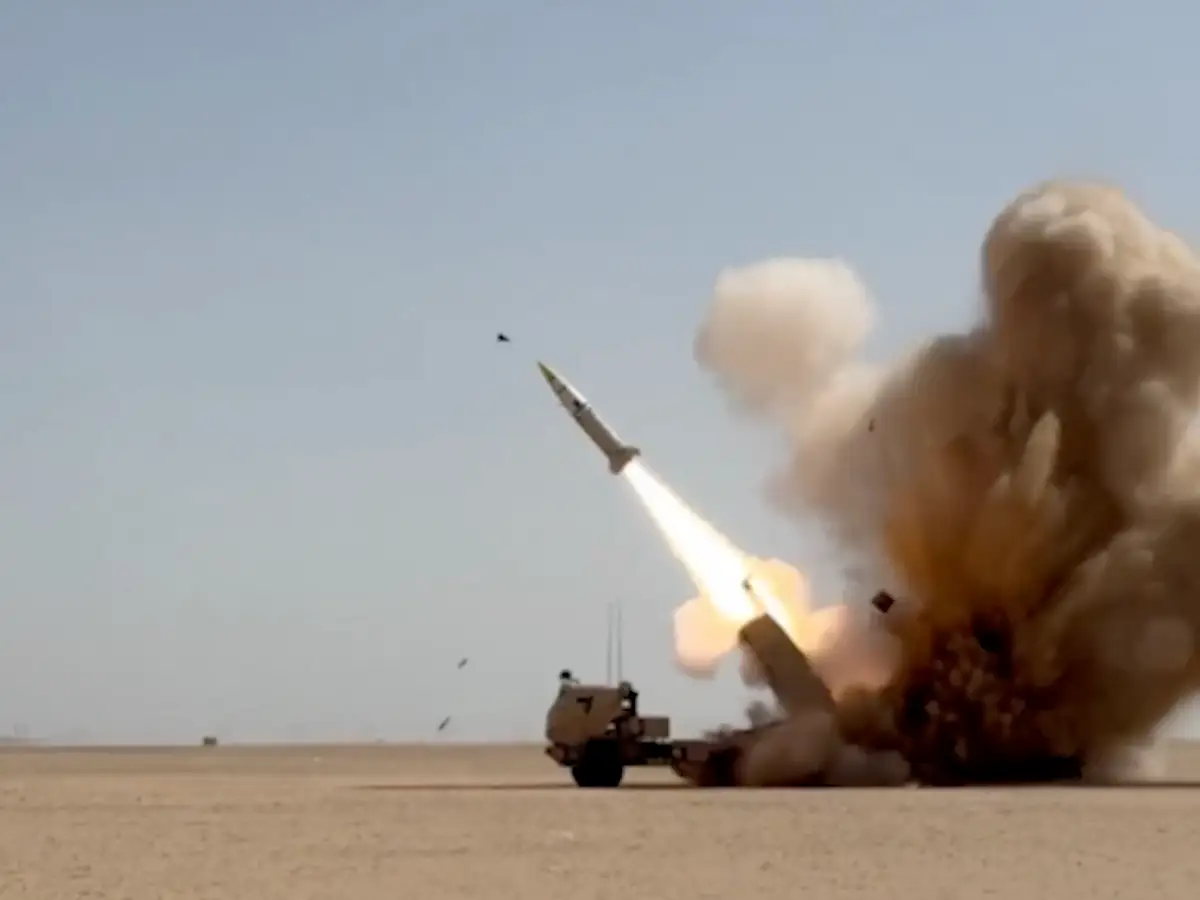
The latest US strikes on Iran have once again pushed Middle East tensions into sharp focus. American forces carried out fresh military action in southern Iran, hitting missile installations and small boats that were reportedly trying to lay mines in nearby waters. The development comes during what was supposed to be a period of calm under an active ceasefire between Washington and Tehran.
What Triggered the Latest US Strikes on Iran
According to US Central Command, the operation was carried out as a defensive measure rather than an act of escalation. Officials said the strikes were necessary to shield American troops from what they described as continued threats from Iranian forces operating in the region.
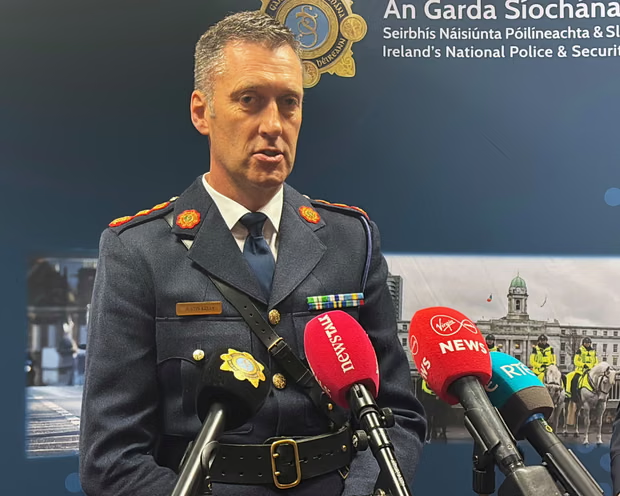
Capt Tim Hawkins, a spokesperson for Central Command, stressed that the US military is still committed to the ceasefire but will not hesitate to defend its personnel when provoked. He emphasized that restraint remains the guiding principle, even as targeted action becomes unavoidable in certain situations.
So far, Tehran has not issued an official military response to the strikes. However, the Iranian foreign ministry hinted that diplomatic conversations are still moving forward, even if a final agreement is far from being signed.
Iran’s Reaction and the State of Diplomatic Talks
Iranian foreign ministry spokesperson Esmail Baqai acknowledged that negotiators have made meaningful progress on several points but cautioned against premature optimism. According to him, no one can realistically claim that a deal is just around the corner.
His comments suggest that while both sides have narrowed their differences on some issues, the road to a finalized agreement remains long and unpredictable. The recent military action could either slow momentum or push negotiators to work harder toward a settlement, depending on how each side interprets the strikes.
Rubio Says a Deal Is Still Possible
US Secretary of State Marco Rubio, speaking during an official visit to India, expressed cautious optimism. He noted that talks are ongoing, including a meeting between Iran’s senior negotiator and Qatar’s prime minister.
Rubio explained that much of the current discussion revolves around the exact wording of the initial document, suggesting that the diplomatic process will take a few more days before clearer outcomes emerge. He also referenced President Donald Trump’s position, saying the president is committed to securing either a strong agreement or none at all.
When pressed about the strikes, Rubio took a firm tone regarding maritime security. He stated that the Strait of Hormuz must remain open, calling any disruption unlawful and unsustainable for global trade.
Strikes Reportedly Hit Areas Near Bandar Abbas
The targeted region appears to be near Bandar Abbas, a strategically important southern port city that hosts a major Iranian naval base. The city sits along the Strait of Hormuz, one of the world’s most critical oil shipping routes.
Iranian state media reported that explosions were heard in the area, and local authorities have begun investigating the aftermath. Earlier in May, tensions in the same waterway flared when American and Iranian naval ships clashed, with both sides accusing the other of provocation.
Background of the US-Iran Conflict
The current crisis traces back to late February, when the United States and Israel launched extensive strikes on Iranian territory. The conflict quickly spread, with Iran retaliating against Israel and several US-allied nations in the Gulf region. The unrest temporarily shut down the Strait of Hormuz, sending global oil prices soaring.
A ceasefire has technically been in place since 8 April. However, Iran continues to enforce restrictions on Gulf shipping routes, while the US Navy maintains pressure through a partial blockade of Iranian ports.
What the Memorandum of Understanding Includes
Reports indicate that the proposed memorandum under discussion involves several key points:
- A 60-day extension of the existing ceasefire
- Full reopening of the Strait of Hormuz
- A structured path for further talks regarding Iran’s nuclear program
However, analysts believe that even if both sides sign the memorandum, it would not represent a final resolution. Several thorny issues remain on the table, such as the lifting of sanctions, the release of frozen Iranian funds, and US demands related to Iran’s nuclear capabilities.
Concerns Over Iran’s Nuclear Program
One of the most pressing issues continues to be Iran’s stockpile of enriched uranium. At the start of the conflict, Iran was estimated to hold around 440 kilograms of uranium enriched to roughly 60 percent purity. That level is dangerously close to the 90 percent threshold required to produce a nuclear weapon.
President Trump recently stated that the stockpile should either be handed over to the US or destroyed in coordination with Iranian authorities. His remarks indicate that Washington views the nuclear issue as central to any long-term peace arrangement.
Leadership Challenges Inside Iran
According to reports from CBS News, US intelligence believes that Iran’s Supreme Leader Mojtaba Khamenei is currently in a secure, undisclosed location. He was injured during an Israeli strike on the first day of the conflict, an attack that killed his father and predecessor. His limited communication with negotiators is reportedly slowing down the pace of talks.
A Fragile Path Forward
The latest US strikes on Iran highlight just how fragile the current ceasefire remains. While diplomats continue to search for common ground, military flashpoints near the Strait of Hormuz threaten to derail progress at any moment. Whether negotiations lead to a breakthrough or further unrest will likely depend on how both sides manage the coming days.
Author