Saudi Arabia summits security has become a pressing concern for executives around the world. A wave of Houthi missile attacks, which killed six people in strikes on the country’s airports this week, now threatens to overshadow two of the kingdom’s biggest business gatherings: the World Petroleum Council Energy Congress in Riyadh and the Future Investment Initiative, nicknamed “Davos in the Desert.”
What Happened
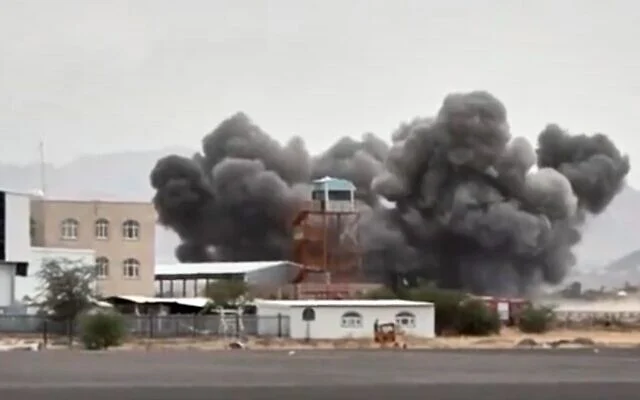
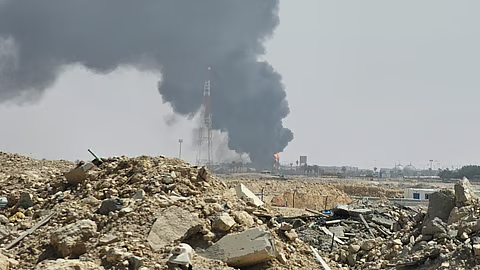
The latest Houthi missiles hit Riyadh’s international airport on Thursday, killing three Saudi citizens, including a pilot, and striking a plane belonging to the national carrier Saudia. Several airlines have suspended flights to the capital, and the UK has advised against all but essential travel to parts of Saudi Arabia, including Riyadh.
The attacks arrive just days before the energy congress and about two weeks before the investment summit, both of which normally draw chief executives from the world’s largest companies and banks.
Executives Weigh Their Options
Many firms are racing to decide whether to send staff. The mood is cautious:
- Italy’s energy minister has dropped plans to attend a ministerial energy meeting in person and will speak by video link
- One consultant had to drive almost 12 hours from Riyadh to Dubai after flights were halted
- Some consulting firms have cancelled travel to the kingdom, while others will let only partners go
- Some senior bankers still plan to attend, but with smaller teams
- Several foreign energy executives say they will still go to the energy congress, mindful that the Saudis remember who stood by them in hard times
A risk adviser at Kroll said companies are deferring decisions until the last moment, noting that sending staff into a place where ballistic missiles are flying is serious, though such strikes are not a daily event. A UK travel warning could also make it hard for some banks to secure insurance for staff.
Will the Summit Go Ahead?
Organisers confirmed on Friday night that the investment summit will proceed as planned. According to one person familiar with their thinking, the energy congress will act as a bellwether, and the final call rests on whether state security is confident that airports, the venue and hotels are protected from cruise missiles.
The agenda is star-studded, with speakers including BlackRock’s Larry Fink, JPMorgan’s Jamie Dimon and Bridgewater’s Ray Dalio. One banker even joked that fewer foreign attendees would mean less competition for face time.
A Challenge for Vision 2030
The strikes add pressure to Vision 2030, the economic transformation plan that depends on foreign investment and tourism. That plan has already been tested by low oil prices and heavy spending on mega-projects. Budget limits and security worries have also forced the cancellation or postponement of entertainment events, including the Red Sea International Film Festival and the Joy Awards.
There is a precedent for executive no-shows: several bank chiefs, including Dimon and Fink, withdrew from the summit after the 2018 killing of journalist Jamal Khashoggi by Saudi agents.
What to Watch Next
- Attendance and withdrawals at the energy congress next week
- Any change to the investment summit’s plans
- Airline decisions on resuming Riyadh flights
- Further Houthi strikes on Saudi airports or infrastructure
The Bottom Line
For Saudi Arabia, these summits are showcases of stability and openness. Whether global business leaders turn up, in person or by video, will signal how much confidence investors still have in the kingdom while missiles are in the air.
Author