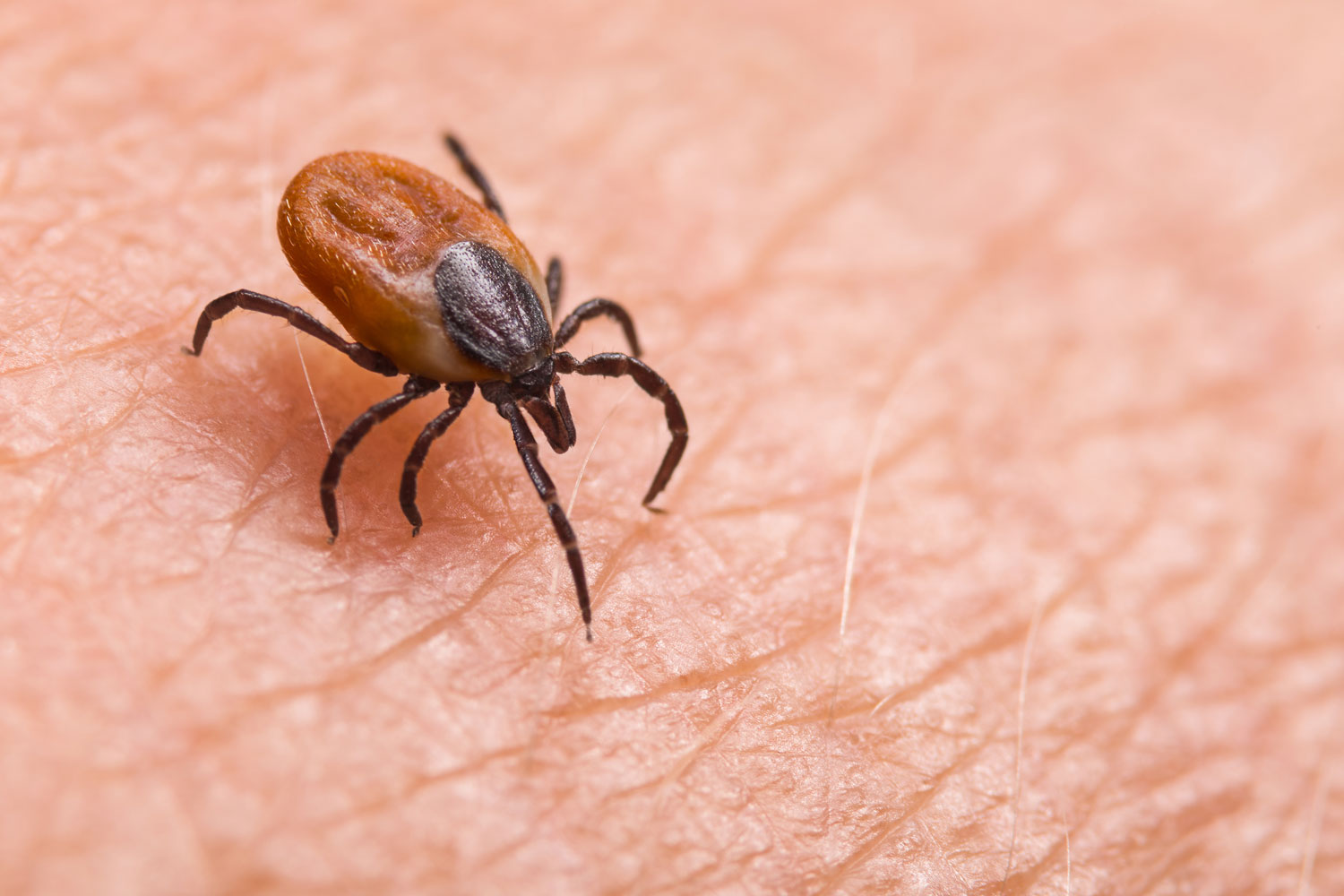
Mild Winter Means More Ticks This Year: Your Complete Guide to Staying Safe
Learning how to avoid ticks has never felt more urgent than it does this year. Just the thought of these tiny creatures is enough to make most people squirm, and unfortunately, there are more of them around than usual. A mild winter has created ideal breeding conditions, and residents in east Idaho are already feeling the effects.
Key Takeaways
- A mild winter has driven tick populations higher this year.
- Ticks can spread serious illnesses, including Lyme disease and Rocky Mountain spotted fever.
- Simple precautions like DEET repellent, long clothing, and regular tick checks go a long way.
Why There Are More Ticks This Year
The warmer than usual winter didn’t kill off ticks the way a harsh cold season normally would, leaving more of them alive and active heading into the warm months.
“We’ve had a lot of calls from people out hiking who have had encounters with ticks,” said Reed Findlay, a University of Idaho Extension educator based in Pocatello.
But ticks are far more than an itchy annoyance. They can carry a range of diseases, including Lyme disease, Rocky Mountain spotted fever, tularemia, and Colorado tick fever. The symptoms of these tick borne illnesses often include fever, chills, headaches, fatigue, and aching joints. Because ticks are notoriously hard to spot before they latch on, Findlay urges people to carefully inspect themselves, their kids, their pets, and their clothing after any time spent outdoors.
How to Avoid Ticks Outdoors
With hiking, biking, and camping season ramping up, a handful of straightforward habits can dramatically lower your risk. Before heading out, keep these precautions in mind:
- Apply an EPA approved insect repellent containing at least 20 percent DEET.
- Wear light colored, long sleeved clothing and closed toe shoes, since lighter fabrics make ticks easier to see.
- Steer clear of tall grass, weeds, and overgrown brush where ticks tend to wait.
- Check yourself, your children, your pets, and your clothing thoroughly before stepping back indoors.
When you do your inspection, pay special attention to the spots ticks love to hide. That means checking under the arms, in and around the ears, inside the belly button, behind the knees, between the legs and groin, around the waistline, and throughout the hair and scalp. Ticks gravitate toward warm, tucked away areas, so a quick once over usually isn’t enough.
Creating a Tick-Safe Yard
Here’s something many people overlook: ticks don’t just live on remote hiking trails. They thrive in dense vegetation and shady corners right around your own home. Fortunately, a little yard maintenance can make your property far less inviting.
Findlay recommends the following steps to cut down on tick activity close to home:
- Mow your lawn regularly to keep grass short.
- Trim tall grass and weeds growing near your house and fences.
- Rake up leaf litter and clear away yard debris.
- Lay down a three foot barrier of wood chips or gravel around play areas, patios, and other frequently used spaces.
- Stack firewood well away from the house.
- Discourage wildlife such as deer, raccoons, and stray dogs from wandering into your yard, since they often carry ticks with them.
That gravel or wood chip barrier is especially effective because ticks are reluctant to cross dry, open ground, giving you a natural buffer zone between wild vegetation and the areas where your family spends time.
What to Do If You Find a Tick
Even with every precaution in place, bites can still slip through. The good news is that proper removal makes a big difference, and the technique matters more than you might think.
“Whatever you do, don’t grab the tick by the backside,” Findlay warned. “It should be removed as close to the skin as possible to avoid leaving the mouthparts embedded in the skin.”
To safely remove a tick, follow these steps:
- Use fine tipped tweezers or a dedicated tick removal tool.
- Grasp the tick as close to the skin’s surface as possible.
- Pull upward using slow, steady, even pressure.
- Resist the urge to twist or jerk, which can snap the tick and leave parts behind.
If a piece of the tick stays lodged in the skin, or if you start developing symptoms after a bite, don’t wait it out. Seek medical attention promptly to head off infection and illness.
The Bottom Line for This Season
As the year heats up, the tick problem is only expected to grow. “As we move into the warmest part of the year, tick activity will only intensify,” said Jim Fredericks, vice president of public affairs for the National Pest Management Association. “Knowing where ticks lurk, how to prevent exposure and how to reduce their numbers around your home can make all the difference in staying safe and healthy this season.”
The takeaway is simple. With a mild winter fueling larger tick populations, knowing how to avoid ticks, protect your yard, and respond to a bite is your best defense for enjoying the outdoors safely this year.
Author