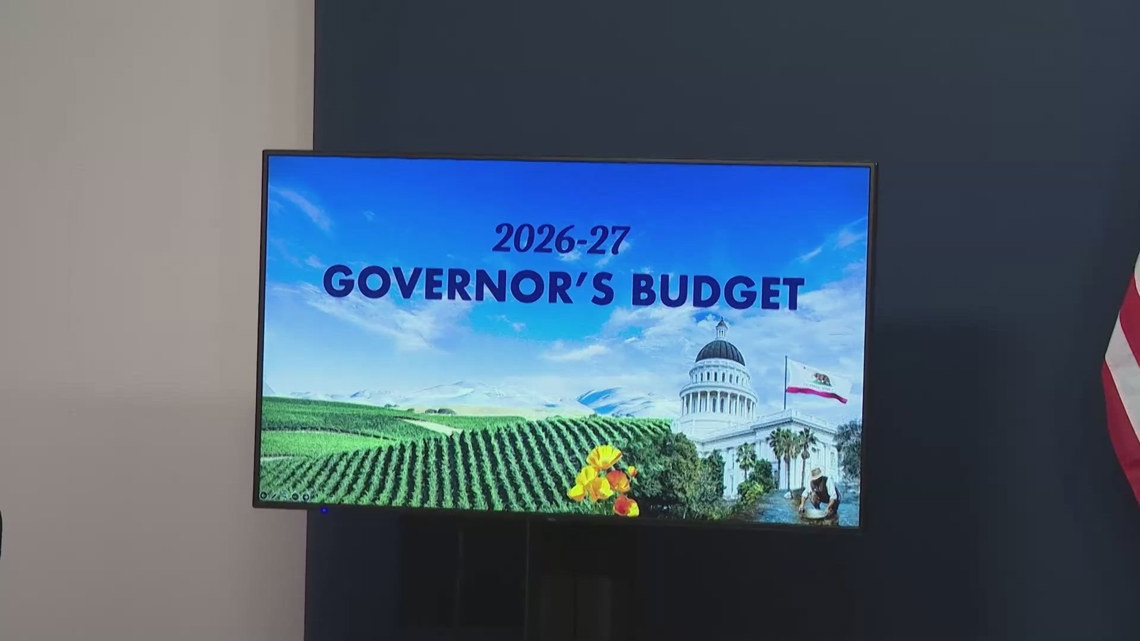
California balanced budget 2026-27 was unveiled this week as Governor Gavin Newsom and legislative leaders announced a three-party agreement that promises no deficit this year or the next, while still funding healthcare, education, and a range of essential services. The plan positions the state to maintain its progress despite ongoing economic uncertainty and federal pressure.
A Deal Built on Stability
Governor Newsom, Senate President pro Tempore Monique Limón, and Assembly Speaker Robert Rivas jointly announced the agreement, which delivers a balanced spending plan with zero deficit. State leaders framed the budget as a way to protect Californians and preserve long-term fiscal stability, particularly amid what they described as politically motivated attacks from President Trump, including the withholding of state funding.
According to officials, the agreement builds on California’s strong fiscal base by preserving reserves, maintaining disciplined budgeting practices, and continuing strategic investments meant to strengthen communities and expand opportunity.
Newsom emphasized that a balanced budget is not a goal in itself but rather a means of delivering for residents. He cast the plan as a reflection of responsible choices that protect the state’s financial strength while still investing in working families and safer, healthier communities.
What the Budget Funds
The agreement covers a broad slate of priorities. Among the programs and initiatives it funds are:
- Small business tax cuts
- Free school meals, free summer school, universal pre-school, and childcare slots
- A historic investment in students with disabilities
- Healthcare affordability measures
- Efforts to cut red tape and accelerate housing construction
- A disaster rebuilding fund
- Funding to safeguard and speed up elections
Voices From State Leadership
Each leader underscored different aspects of the deal. Limón highlighted that despite continued federal funding cuts, California managed to shield programs that millions depend on. She pointed to the Senate’s success in securing childcare slots, protecting access to care, and pushing large corporations to pay a fairer share, while crediting the partnership among the three offices.
Rivas focused on working families, stressing that the budget protects healthcare, preserves food programs, invests heavily in housing, and builds reserves to withstand federal challenges. He contrasted California’s approach with Washington’s, arguing the state remains focused on affordability and real solutions.
Key Pillars of the Package
Earlier in the week, Newsom and legislative leaders announced two major agreements that anchor the broader budget:
- The Veterans and Affordable Housing Bond Act of 2026, designed to fund housing construction, preserve affordable housing, and expand homeownership, with specific assistance for veterans, middle- and lower-income households, affordable rentals, and supportive housing for people experiencing homelessness.
- The Save for California’s Future Act, a constitutional amendment that strengthens the state’s Rainy Day Fund and modernizes fiscal safeguards. This measure also aims to protect schools and businesses by reducing unemployment insurance trust fund liabilities and potential employer costs.
Major Provisions in Detail
Beyond its headline commitments, the budget agreement includes several notable measures. It maintains a balanced budget for both the coming fiscal year and the one after by setting aside more than $6 billion in anticipated revenues in a holding account. It also:
- Continues investments in public safety and community safety efforts
- Adds billions for TK-12 schools, community colleges, and higher education
- Moves management of the Department of Education into the Executive Branch and strengthens the State Superintendent’s role to better align education policy from early grades through college
- Limits large corporate tax breaks for the state’s biggest corporations to help protect critical programs like healthcare
- Advances housing finance reforms to speed affordable construction and strengthen accountability for homelessness funding
- Continues behavioral healthcare investments and implementation of Proposition 1
- Maintains California’s leadership on climate resilience, clean energy, and wildfire preparedness
- Invests in infrastructure, workforce development, and affordability
A Track Record of Fiscal Discipline
State leaders framed the agreement as a continuation of California’s broader financial strategy over the past seven years. During that period, officials say the state has transformed its fiscal outlook by paying down debt, building historic reserves, and maintaining its credit rating while making major investments in people and infrastructure.
Since Newsom took office, the state reports that it has built and maintained the largest budget reserves in California history, paid down billions in long-term liabilities, and advanced reforms balancing fiscal discipline with lasting investments, including significant housing and homeownership initiatives.
The Governor, Senate, and Assembly indicated they will continue working together through the constitutional budget process in the days ahead, framing the 2026-27 plan as both a protection of essential services today and a foundation for the state’s long-term success.
Author