Brain Health Begins With a Curious Mind: Smart Habits That May Lower Dementia Risk
Brain health is becoming one of the most talked-about topics in modern wellness, and for good reason. As researchers continue to uncover the connection between daily habits and long-term cognitive function, experts agree that small, intentional actions can play a powerful role in protecting the mind as we age. Challenging your brain regularly, much like exercising a muscle, may be one of the most effective ways to support mental sharpness well into later years.
To shine a spotlight on this growing field, “CBS Mornings” has teamed up with the Alzheimer’s Association for a three-part series titled “Brain Health: From Awareness to Action.” The campaign aims to highlight the lifestyle choices people can make today to help reduce their risk of dementia in the future.
Why Brain Health Deserves Daily Attention
Recent research has confirmed something both encouraging and empowering: brain health is not entirely out of our control. According to Alzheimer’s Association CEO and president Joanne Pike, science now shows that everyday choices around nutrition, physical activity, and mental engagement can directly influence brain function.
This insight is at the heart of the organization’s new “6-Step Challenge,” a guided initiative encouraging people to adopt science-backed habits known to support long-term cognition. One of the most important pillars of the program focuses on keeping the brain mentally active and continuously learning.
“Challenging your mind is a great way of stimulating your brain and learning new things,” Pike explained. “It builds a cognitive reserve, so that when you are aging, you have a bank of brain health to rely on.”
Understanding Cognitive Reserve
Think of cognitive reserve as your brain’s savings account. The more you contribute throughout your life, by learning, exploring, and engaging with new experiences, the more resources you have to draw upon as you age. A strong cognitive reserve can help the brain better handle stress, illness, and the natural changes that come with growing older.
Building this reserve doesn’t require expensive programs or complicated routines. What truly matters is consistency and novelty.
The Best Mental Activities for a Sharper Mind
Not all brain exercises are equally beneficial. According to Pike, activities that introduce the brain to entirely new information or skills are far more effective than tasks that rely on routine memory.
For example, while puzzles like crosswords and Sudoku can be enjoyable, they often involve repetitive patterns and rote recall. In contrast, strategy-based and learning-driven activities encourage the brain to adapt, problem-solve, and form new neural connections.
Some highly recommended activities include:
- Playing strategy games such as chess, where you must anticipate and react to an opponent
- Learning a new musical instrument
- Studying a new language
- Exploring an unfamiliar subject through reading or online courses
- Picking up a new hobby that challenges coordination and creativity
“The key step is to learn and for it to be novel or new,” Pike emphasized. The novelty itself is what activates fresh neural pathways and strengthens the mind.
The Power of Social Connection
While solo learning is valuable, brain health thrives in connection with others. Social interaction stimulates emotional and cognitive areas of the brain in ways that solitary activities cannot replicate.
Pike pointed to a striking statistic: individuals who experience prolonged isolation have a 70 percent greater risk of cognitive decline. Staying socially engaged, whether through friendships, family bonds, clubs, volunteer work, or community events, plays a significant role in maintaining mental sharpness.
Simple ways to stay connected include:
- Joining a local book club or hobby group
- Volunteering for a cause you care about
- Scheduling regular conversations with friends and family
- Attending community workshops or fitness classes
- Participating in faith-based or cultural gatherings
Even brief, meaningful interactions can have positive effects on long-term brain function.
Combining Mental, Physical, and Social Habits
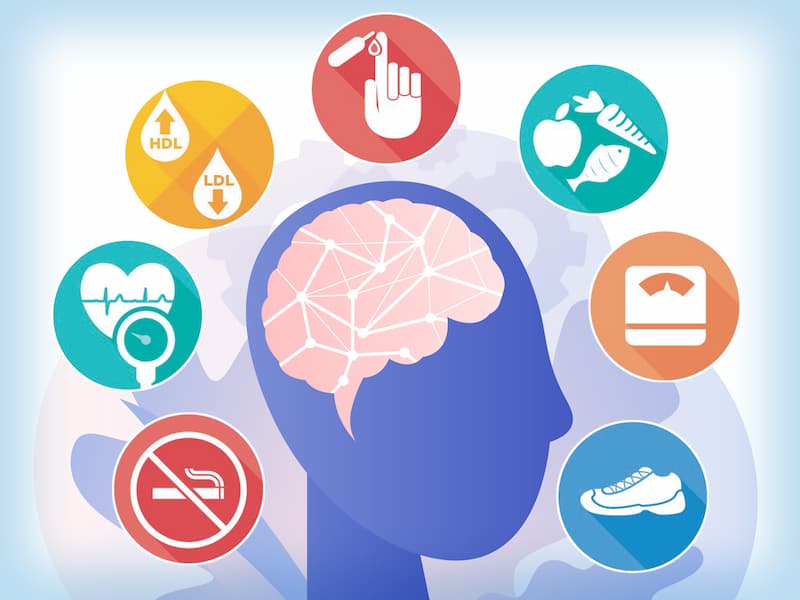
Brain health is rarely shaped by one factor alone. The most effective strategy involves combining mental stimulation with healthy physical and emotional habits. A well-rounded routine often includes regular exercise, balanced nutrition, restorative sleep, stress management, and consistent social engagement.
When these elements work together, they create a strong foundation that supports the brain across decades.
The 6-Step Challenge: A Practical Starting Point
The Alzheimer’s Association’s “6-Step Challenge” is designed to make brain-healthy habits accessible and easy to integrate into daily life. The initiative provides simple, actionable steps grounded in scientific research and encourages participants to develop sustainable lifestyle improvements.
Those interested can sign up for the program online at rethinkyourbrain.org and receive daily guidance through text or email. The program is part of the larger “(re)think your brain” initiative, which aims to shift public perception around dementia prevention and empower individuals to take meaningful action.
A New Way to Think About Aging
For decades, cognitive decline was viewed as an inevitable part of aging. Today, that mindset is shifting. Experts now emphasize that proactive lifestyle choices can significantly influence how the brain ages.
Whether it is taking up a musical instrument, joining a chess club, exploring a new culture, or simply staying socially active, every effort contributes to a more resilient brain. The goal isn’t perfection, but rather steady curiosity and engagement.
Final Thoughts
Brain health is a lifelong journey shaped by curiosity, connection, and consistency. By challenging the mind, prioritizing meaningful relationships, and embracing new experiences, individuals can build a powerful cognitive reserve that supports clarity, memory, and mental agility for years to come.
As Joanne Pike highlights, the path to a healthier brain doesn’t require dramatic change. It begins with simple, intentional steps, taken one day at a time, that can shape a brighter and sharper future.
Author