Stephen Colbert Final Late Show Episode Draws Record Weeknight Audience
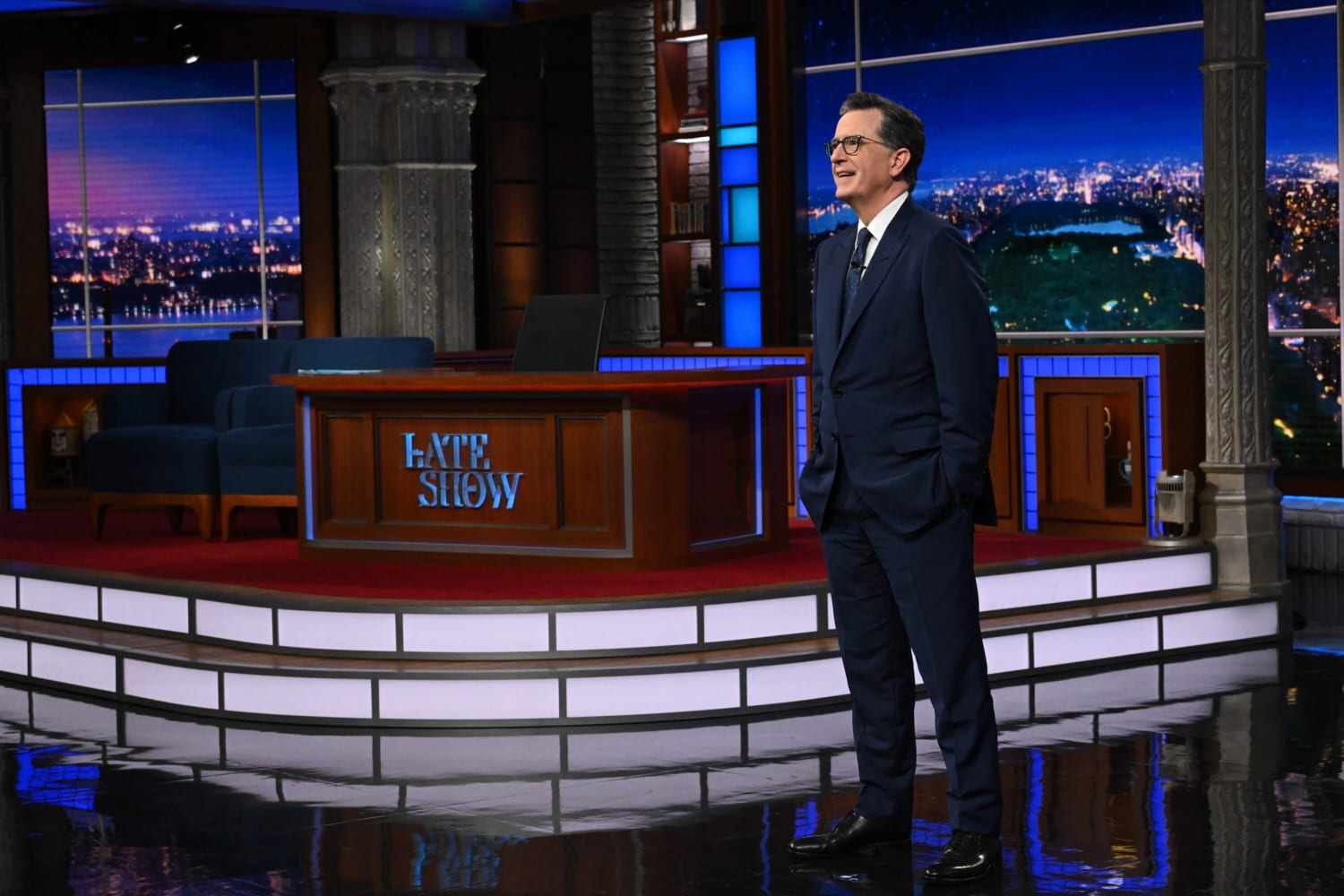
The Stephen Colbert final Late Show episode officially marked the end of a major chapter in late night television, pulling in a massive audience of 6.74 million viewers on CBS Thursday night. According to preliminary Nielsen data, this was the highest weeknight viewership Colbert had ever earned during his time hosting the iconic program. It was a powerful and emotional farewell to a show that has been part of late night culture for decades.
A Massive Finale Audience
To put the numbers into perspective, the average viewership for the Late Show during its final season ranged between 2.4 million and 2.7 million per episode. The finale more than doubled that average, signaling just how much audiences wanted to tune in for one last memorable night with Colbert.
While the figure was a personal best for Colbert in a weeknight setting, it didn’t quite match the legendary farewell of his predecessor, David Letterman. When Letterman ended his historic run in 2015, his final episode pulled in an extraordinary 13.7 million viewers. Still, Colbert’s farewell numbers stood out as one of the most-watched late night events in recent years.
Special Moments From His Run
Interestingly, this wasn’t the highest viewership Colbert ever achieved for the show overall. Back on February 7, 2016, his Late Show aired a special post-Super Bowl episode on a Sunday night, which drew a massive 20.55 million viewers. His series premiere also pulled in a strong audience of 6.55 million.
However, when it comes to standard weeknight broadcasts during his tenure, Thursday’s finale officially became the most-watched episode of his run. For loyal fans and longtime viewers, it was a fitting send-off for a host who reshaped late night with his blend of humor, politics, and heartfelt commentary.
A Star-Studded Goodbye
Following the tradition set by Letterman, Colbert’s final show was packed with high-profile celebrity appearances. Familiar faces such as Bryan Cranston, Paul Rudd, and Tim Meadows joined the host for the emotional farewell.
The night ended on a beautifully memorable note with a special closing musical performance led by none other than legendary musician Paul McCartney. The performance had viewers reminiscing about the long-standing relationship between music and late night television, especially on a stage that has hosted countless iconic moments over the years.
CBS’s Surprising Decision
Last summer, CBS made the shocking announcement that it would be canceling The Late Show after the current season. The decision came as a surprise to many fans, especially given Colbert’s continued cultural relevance and consistent ratings. CBS cited the challenging economics of the late night timeslot as the main reason behind the move.
This decision marked the end of an era, not just for Colbert but also for the broader late night format. Once considered untouchable, late night talk shows have faced an increasingly difficult environment in recent years.
What Comes Next at CBS
Following the end of The Late Show, CBS will be filling the 11:30 PM slot with a new format. Comedian and media executive Byron Allen will take over the timeslot with his series Comics Unleashed. The arrangement will be carried out through a time-buy deal with CBS, marking a significant shift in how the network approaches its late night programming.
This change reflects the broader transformation happening across television, as networks attempt to manage rising production costs and shifting audience habits.
The Changing Face of Late Night
While the finale numbers were impressive, they also tell a deeper story about how late night television has evolved over the years. Traditional viewership for late night programs has steadily declined as more audiences move to streaming platforms and social media for their entertainment.
Colbert’s final monologue, for example, has already racked up 2.9 million views on YouTube and continues to grow. The closing performance with Paul McCartney has gathered over 1.1 million views and counting. Millions more have engaged with clips of the finale on TikTok and Instagram Reels.
These figures highlight how the late night industry has been forced to adapt. While television ratings still matter, the real cultural footprint of a show today often lives online, where clips can travel far beyond the time of broadcast.
Why Colbert’s Show Was Special
Colbert’s run on The Late Show was unique in many ways. He began his tenure in 2015, taking over from Letterman with the difficult task of carrying on a beloved late night institution. Over time, Colbert built his own identity for the show, especially as political commentary became a defining feature of his style.
His sharp humor, willingness to engage with serious topics, and emotional connection with viewers helped him stand out in an increasingly crowded entertainment landscape. He also embraced digital culture, frequently producing viral clips that extended the reach of the show well beyond its 11:35 PM broadcast time.
For many fans, watching Colbert wasn’t just about catching a few laughs. It was a daily ritual, especially during major political moments and global events.
End of an Era for Network Late Night
As of Friday, the world of late night television officially has one less major show on the air. The cancellation of The Late Show represents more than just the end of one program. It signals a broader shift in how networks are reshaping their nighttime lineups in response to financial pressures and changing viewer preferences.
Major late night staples have struggled to maintain the cultural dominance they once had, and the loss of Colbert’s show adds another empty chair to the table. The question now is whether networks will continue to invest in new late night talent or move away from the format altogether in favor of cheaper alternatives.
A Bittersweet Farewell
For Stephen Colbert, the finale was both a celebration and a goodbye. While he poured his heart into a memorable last episode, the night also served as a reminder of how much the industry has changed since he first took the seat behind the Late Show desk.
Through his humor, his interviews, his musical guests, and his political commentary, Colbert built a connection with millions of viewers around the world. His farewell episode proved that even in an era of dwindling traditional TV viewership, a beloved host can still gather millions of people for one last special moment.
Looking Ahead for Colbert and the Industry
While The Late Show may have ended, Stephen Colbert himself is far from finished. Many fans expect him to return in some new form, whether on streaming platforms, podcasts, or other entertainment ventures. His talent, popularity, and cultural influence make him a strong candidate for future major projects.
Meanwhile, the late night industry is heading into uncertain territory. The shift toward digital-first content, shorter formats, and platform-driven entertainment will continue to reshape the way audiences engage with late night humor and conversation.
A Memorable Ending
The Stephen Colbert final Late Show episode will go down as one of the most talked-about farewells in modern television history. With strong ratings, star-studded appearances, and an unforgettable musical finale, the show closed with the kind of emotion and energy that fans will remember for years to come.
As the lights dim on this iconic program, audiences are left with countless memorable moments, sharp jokes, heartfelt interviews, and a powerful reminder of how television, even in a rapidly changing world, can still bring millions together for one last unforgettable night.
Author