Star Wars Mandalorian and Grogu Sets Franchise’s Lowest Thursday Preview Record
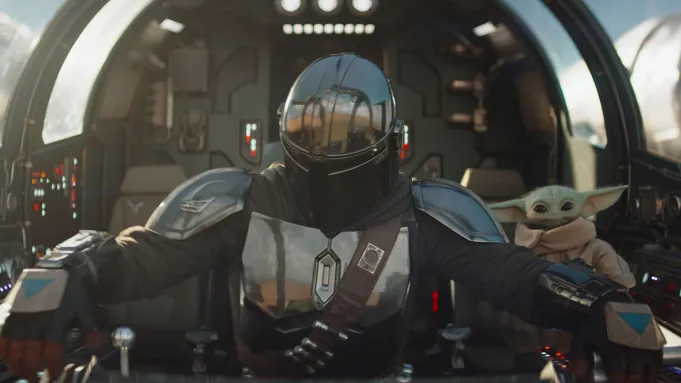
The long-awaited return of Star Wars to the big screen has hit a surprising bump. Disney’s Star Wars Mandalorian and Grogu collected just $12 million in Thursday night preview ticket sales, marking the lowest preview earnings in the entire history of the Star Wars franchise. The number is even lower than the previous all-time low set by the 2018 film Solo: A Star Wars Story, which had pulled in $14.1 million during its previews.
A Quiet Return for a Beloved Franchise
After a seven-year absence from theaters, the Star Wars universe is back on the big screen, this time guided by the iconic Mandalorian and his lovable companion Grogu. However, the early ticket numbers suggest that audiences are not flocking to cinemas with the same level of excitement as they did during the franchise’s earlier theatrical runs.
Box office analysts now expect the film to bring in around $80 million during its standard three-day opening weekend and approximately $95 million across the extended four-day Memorial Day weekend. Some more optimistic projections place the three-day haul at $95 million and the holiday weekend earnings at $115 million. While these numbers are still respectable, they are noticeably lower compared to the massive Star Wars launches of the past.
A Stark Contrast to Star Wars History
The current performance stands in sharp contrast to the franchise’s historical dominance. Since 2015, only Solo: A Star Wars Story had ever opened below the $100 million mark, earning $84.4 million during its launch weekend.
This makes The Mandalorian and Grogu one of the smallest theatrical openings in recent Star Wars history. With cinema attendance still struggling to recover post-pandemic and changing viewer habits, even major franchises like Star Wars are now feeling the pressure.
What’s Helping the Film
Despite the lower preview numbers, The Mandalorian and Grogu does have several factors working in its favor. The film benefits from the strong popularity of the original Disney+ series The Mandalorian, which became a cultural phenomenon shortly after launching in 2019. The Memorial Day weekend also offers an extra day for ticket sales, which could provide a meaningful boost.
Additionally, the film faces very limited competition from other new theatrical releases this weekend. This is particularly true for premium large-format screens like IMAX, which often help boost box office numbers when major films have less competition.
A Critical Stress Test for Star Wars
Beyond the immediate box office concerns, this film also serves as an important stress test for the future of Star Wars in theaters. Both Star Wars and Marvel, once Disney’s most powerful franchises, have struggled to consistently dominate the global box office in recent years.
For Disney and Lucasfilm, this release is a chance to demonstrate that fans are still willing to show up at theaters for Star Wars content. The next major theatrical release on the schedule is Starfighter, which is set to arrive in cinemas in 2027. Starfighter will star Ryan Gosling and be directed by Shawn Levy, two names that bring fresh excitement to the franchise.
A Seven-Year Break From the Big Screen
The Star Wars franchise has been absent from theaters since 2019, when The Rise of Skywalker concluded the long-running Skywalker Saga and the third major film in the sequel trilogy. Although that film earned more than $1 billion globally, it received heavy criticism from both fans and critics, which raised concerns within Disney about how to move the franchise forward.
In response, Disney and Lucasfilm decided to step back from theatrical projects and instead focused on building Star Wars content on Disney+. This shift gave rise to a wave of popular series, including Andor, Obi-Wan Kenobi, Ahsoka, Skeleton Crew, The Acolyte, and The Book of Boba Fett.
The Mandalorian, which premiered just a month before The Rise of Skywalker, became the breakout hit that influenced the studio’s broader Star Wars strategy. Many other planned theatrical projects were instead transformed into series for the streaming service.
Behind the Scenes of the New Film
For The Mandalorian and Grogu, Lucasfilm tapped director Jon Favreau, who originally helped build the Disney+ series. He worked closely with Dave Filoni, the newly appointed head of Lucasfilm, to create a film that maintains the essence of the popular show.
The production budget for the new movie sits at around $165 million, which is significantly lower than the typical budgets of previous Star Wars theatrical releases. Other Star Wars films from the previous decade had budgets of $250 million or higher.
This smaller budget gives The Mandalorian and Grogu a more realistic profitability threshold. Of course, that figure does not include marketing expenses, which are usually massive for a Star Wars release.
Why It’s About More Than Box Office
For Disney, ticket sales are only part of the equation. The release of The Mandalorian and Grogu also comes with a massive consumer products rollout. Even without strong theatrical performances, Star Wars products have historically generated huge sales at retail stores.
The character Grogu, widely known as “Baby Yoda,” became one of the most beloved characters in modern pop culture and continues to drive enormous merchandise demand. Toys, clothing, collectibles, home goods, and themed experiences tied to the franchise have been hugely profitable for Disney.
For example, following the 2015 release of The Force Awakens, Hasbro alone sold nearly $500 million worth of Star Wars products. This shows how powerful the brand’s reach is, even outside of cinemas.
Disney Theme Parks Join the Celebration
Disney is also bringing the excitement to its theme parks. Park visitors can already enjoy special merchandise tied to the film, while the popular Smugglers Run ride has been revamped to feature Grogu, adding a new layer of fun for fans.
These cross-brand efforts highlight Disney’s strategy of turning each major release into a multi-platform experience that extends far beyond the movie theater.
What This Means for the Franchise’s Future
The lower-than-expected preview numbers for The Mandalorian and Grogu raise important questions about the future of Star Wars on the big screen. Once a guaranteed box office juggernaut, the franchise now finds itself adjusting to a world where streaming has become the dominant way fans consume content.
Younger generations, in particular, have grown more accustomed to watching shows and movies at home. As a result, Disney is being forced to rethink how Star Wars films are marketed, released, and positioned in the global entertainment landscape.
Still a Beloved Universe
Despite the challenges, the Star Wars universe remains one of the most beloved franchises in entertainment history. Its rich storytelling, iconic characters, and devoted global fan base continue to make it a cultural giant. The Mandalorian and Grogu, with its blend of nostalgia, emotional depth, and beloved characters, still has the potential to win over audiences during its theatrical run.
A New Chapter for Star Wars
In many ways, The Mandalorian and Grogu represents both the past and future of Star Wars. While the franchise faces uncertainty in the theatrical world, its strength in streaming, merchandising, and theme park experiences shows that its cultural power is far from fading.
As Disney looks ahead toward Starfighter in 2027 and other potential projects, this latest release will offer valuable lessons. The Star Wars universe may be entering a more humble era at the box office, but its place in pop culture remains as strong as ever.
For now, fans heading into theaters this Memorial Day weekend will have a chance to once again experience the magic of Star Wars, even if the road back to box office dominance proves to be longer and more challenging than expected.
Author