Ebola Outbreak 2026 Becomes the Third Largest in History as Rare Strain Hits Congo
The Ebola outbreak 2026 in the Democratic Republic of Congo has rapidly escalated into the third largest outbreak ever recorded, alarming health authorities around the globe. What makes this situation particularly worrying is that the outbreak only began a few weeks ago, yet it is already spreading through one of the most fragile and densely populated parts of the world. International health officials are now racing against time, made even more difficult by reductions in global health aid over the past year and a half.
Here is a closer look at the rare Bundibugyo strain, where it is spreading, and why so many experts are deeply concerned.
The Epicenter: A Region Already in Crisis
The outbreak is centered in the Ituri province in northeastern Congo, a region long burdened by conflict and humanitarian challenges. It shares borders with both Uganda and South Sudan, making cross-border transmission a serious concern.
According to the World Health Organization, the first identified patient was a health worker who began showing symptoms like fever and vomiting on April 24 before passing away. The situation worsened when the deceased patient’s body was transported home for burial, allowing the virus to spread further.
As of Friday, Congo has reported at least 750 suspected cases and 177 suspected deaths. Two additional cases have been confirmed in Uganda, both involving travelers. Health authorities believe the actual number of infections is far higher, since the virus circulated undetected for weeks before being identified.
What is especially troubling is that cases have now been reported in cities. Ituri is a major commercial and mining hub, attracting heavy traffic from across the region. With nearly two million displaced people, ten million facing severe hunger, and renewed armed conflict, delivering medical aid has become extremely difficult. Deep mistrust of outside authorities adds another layer of complexity. For context, it took two years to bring a previous Ebola outbreak in this same region under control back in 2018.
What Is the Bundibugyo Strain?
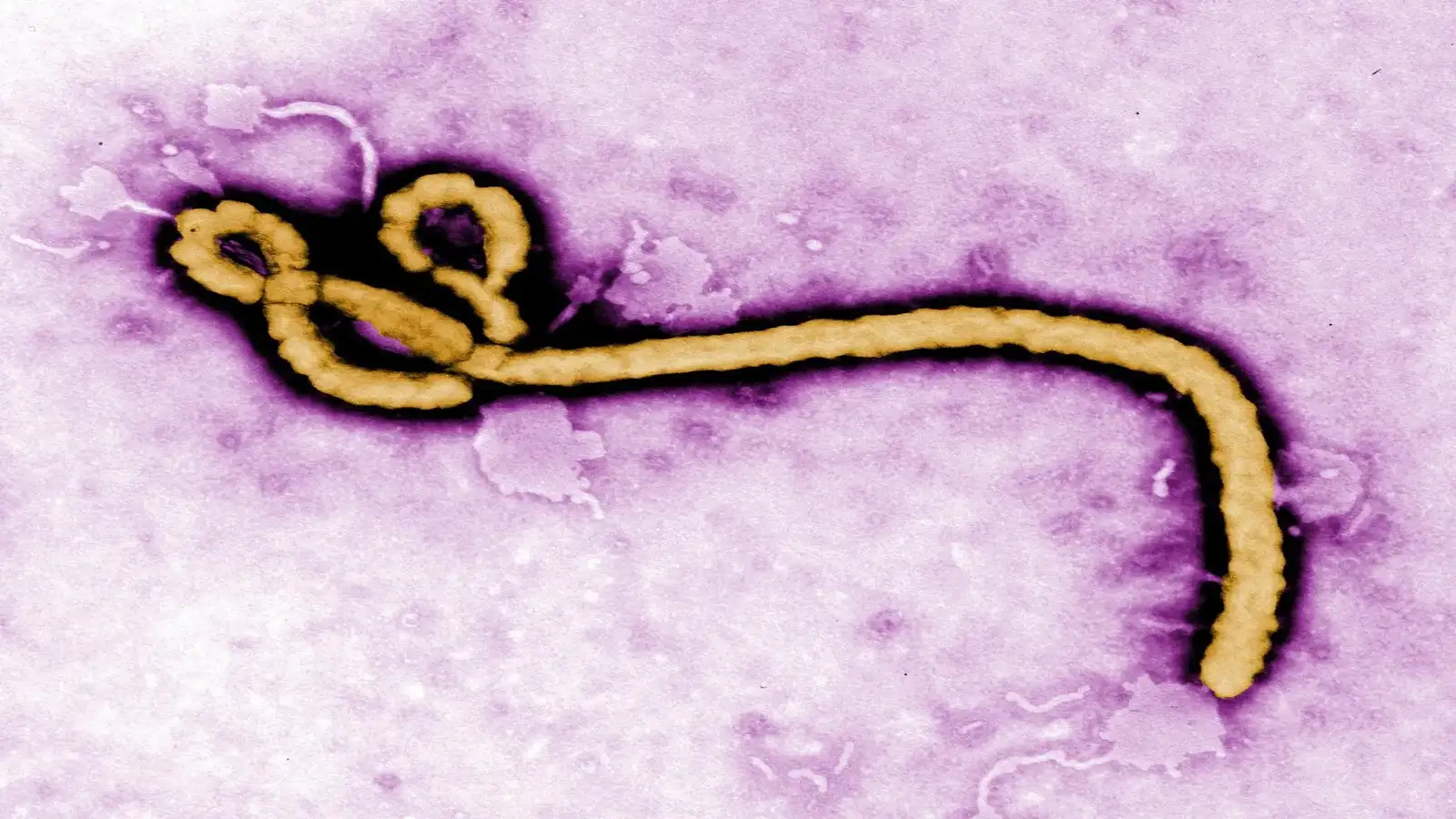
Bundibugyo is one of four known Ebola strains that can infect humans. It was first discovered in 2007 in a mountainous Ugandan district of the same name. Until now, it had only caused two previous outbreaks, making it extremely rare.
Because of its rarity, Bundibugyo wasn’t even included in the standard Ebola lab tests in the affected region, which delayed its identification. Health workers eventually confirmed the strain after sending samples thousands of miles away to a government research lab.
Is Bundibugyo More Dangerous Than Other Ebola Strains?
Interestingly, no. The Bundibugyo strain replicates more slowly and tends to be less deadly than the more notorious Zaire ebolavirus. The Zaire strain caused the catastrophic West African epidemic in 2014, which claimed more than 11,300 lives.
Even so, Bundibugyo is no minor threat. In its two previous outbreaks, it killed over 30 percent of those it infected. The greatest danger now is that there are no approved vaccines or treatments specifically designed for this strain.
Could It Reach the United States?
According to the U.S. Centers for Disease Control and Prevention, the risk of the virus reaching American soil remains low. The U.S. has already restricted entry for foreigners who have visited Congo, Uganda, or South Sudan in the past three weeks. American citizens returning from those countries are being routed through Washington Dulles International Airport for screening.
However, the U.S. is preparing for an influx of international visitors due to the upcoming World Cup, which is increasing watchfulness in major cities like New York. The country also maintains a network of specialized treatment centers, including the University of Nebraska Medical Center and Emory University Hospital, ready to handle high-risk infectious diseases. In one recent case, U.S. authorities even evacuated an American medical missionary infected in Congo to a specialized hospital in Germany.
Recognizing Ebola Symptoms
Ebola often begins with symptoms that mimic more common illnesses, making early detection tricky. Early signs include fever, fatigue, muscle pain, sore throat, and headaches. These are known as “dry” symptoms and are frequently misdiagnosed as malaria.
After about four to five days, the illness progresses into more severe “wet” symptoms, such as watery diarrhea, vomiting, and nausea. In more critical cases, patients may suffer from organ failure or internal and external bleeding.
How Ebola Spreads and the Pandemic Question
Ebola spreads through direct contact with bodily fluids like sweat, blood, saliva, and even tears. The bodies of those who die from Ebola remain highly infectious, which is why traditional burial practices that involve physical contact pose a serious risk.
Despite being incredibly deadly, Ebola is unlikely to cause a global pandemic. Unlike Covid-19 or the flu, it isn’t airborne. People also become contagious only once symptoms appear. The incubation period ranges between two and 21 days.
Vaccines and Treatments in Development
While two vaccines and two treatments exist for the Zaire strain, none have been approved for Bundibugyo. The challenge is that the two strains differ enough that current vaccines do not transfer over.
The Coalition for Epidemic Preparedness Innovations (CEPI) is working on several potential vaccines for Bundibugyo. According to WHO official Dr. Vasee Moorthy, the most promising option is a vaccine based on the approved Zaire shot. It could be ready for clinical trials in six to nine months.
A team at the University of Oxford is also collaborating with the Serum Institute of India to develop another candidate, which could be ready in just two or three months. However, that vaccine has yet to be tested in animals.
On the treatment side, Mapp Biopharmaceutical has developed a monoclonal antibody therapy that has shown promise in preclinical studies and proved safe in early human trials.
Gilead Sciences is also exploring whether its experimental drug obeldesivir might be effective. The company’s earlier drug remdesivir, used during the Covid pandemic, also showed promising results against Bundibugyo in lab studies.
A Race Against Time
The Ebola outbreak 2026 is a stark reminder of how quickly a rare virus can become a global concern, especially when it strikes a region weakened by conflict and limited healthcare access. With cases climbing rapidly and no specific treatments yet approved, scientists, governments, and humanitarian groups are working at full speed to contain the threat before it spreads even further.
For now, vigilance, international cooperation, and accelerated vaccine development remain the world’s best defense.
Author