Loan forgiveness for public servants survived a major threat this week, as two federal courts struck down a Trump administration rule that could have stripped eligibility from countless borrowers just one day before it was set to take effect. The decisions preserve, at least for now, one of the most popular federal programs for teachers, nurses, public defenders, and other public-sector workers.
The rule would have handed the Education Department the power to disqualify entire categories of employers from the program, and with them, the workers counting on that debt relief.
What the Rule Would Have Done
The blocked regulation grew out of a March 2025 executive order and was part of the administration’s broader effort to reshape higher education. At its core, it would have let the Education Secretary bar otherwise-eligible employers from the Public Service Loan Forgiveness (PSLF) program if they were deemed to engage in activities with a “substantial illegal purpose.”
That phrase sounds narrow, but critics argued its definition was sweeping and pointed. It targeted organizations tied to causes the administration disfavors, including:
- Groups supporting undocumented immigrants
- Employers involved in diversity initiatives
- Nonprofits providing gender-affirming care for young people
In practice, opponents warned, the rule could be used to punish employers based on their political views rather than any genuine illegality, effectively weaponizing a loan program against the administration’s ideological opponents.
How the Program Actually Works
To understand the stakes, it helps to know what PSLF promises. Written into law by Congress in 2007, the program is open to government and nonprofit employees, people like schoolteachers, librarians, social workers, and public defenders.
The deal is straightforward: after making 120 qualifying monthly payments under an income-driven repayment plan, which amounts to at least a decade of public service, borrowers have any remaining loan balance wiped out. It’s a bipartisan bargain meant to attract talented people into lower-paying public jobs despite heavy student debt.
That promise has real scale. More than one million people have already received tens of billions of dollars in forgiveness under the program.
Two Courts, One Conclusion
The rule met defeat on two fronts on Tuesday.
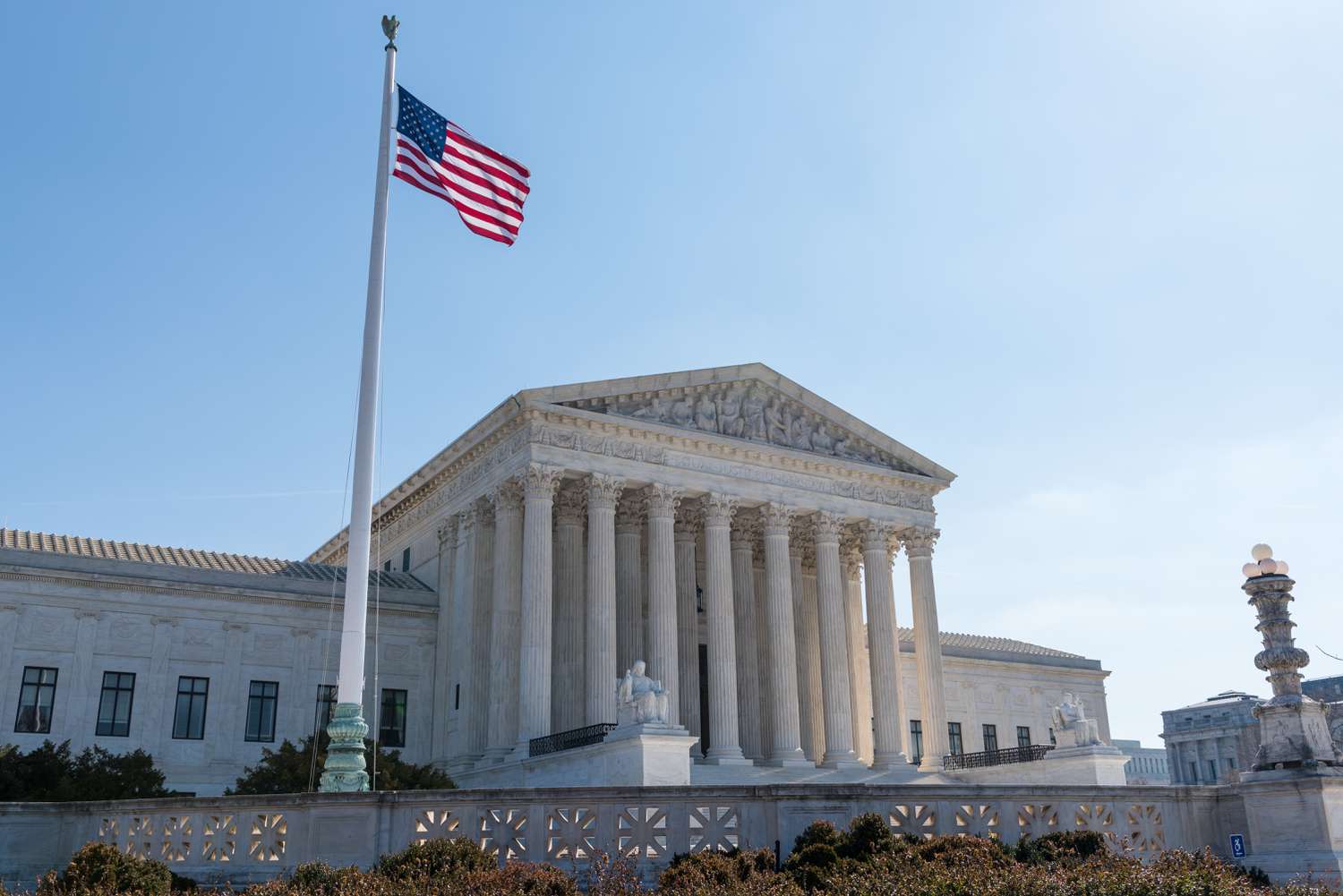
In Massachusetts, Judge Myong J. Joun vacated the regulation just a day before its July 1 start date. His ruling came in a challenge brought by more than 22 states, along with several cities, counties, and nonprofit employers, who argued the administration was trying to target organizations that simply disagreed with its policies.
Joun concluded that the administration had overstepped its authority. He emphasized that Congress had spelled out exactly which workers qualify for PSLF, and that the law gives the Education Secretary no discretion to disqualify employers or rewrite the program’s clear requirements. The statute, he wrote, doesn’t grant the secretary power to alter the unambiguous definition of “public service jobs” or the repayment terms.
He went further, finding the rule unlawful on multiple grounds: contrary to law, beyond the department’s statutory authority, arbitrary and capricious, and a violation of the First Amendment. Notably, he found the regulation had already chilled protected speech by targeting nonprofits engaged in advocacy that runs counter to the administration’s agenda.
In a separate but parallel case, Judge Amir H. Ali of the U.S. District Court for the District of Columbia reached the same conclusion, siding with advocacy groups that had sued in November. Together, the two rulings left the rule fully blocked.
A First Amendment Problem at the Core
The free-speech dimension proved central. Joun pointed to the administration’s own conduct as evidence of viewpoint discrimination, citing an executive order aimed at sanctuary cities and the government’s public criticism of immigration attorneys.
The legal reasoning also reflected a shifting landscape for federal agencies. Because the Supreme Court recently overturned the decades-old Chevron deference doctrine, judges are now required to determine for themselves what an agency’s authorizing statute actually permits, rather than deferring to the agency’s interpretation. Applying that stricter standard, Joun found that while the law let the department administer PSLF, it never authorized adding an employer-disqualification test.
Relief for Workers Who Feared the Worst
For many public servants, the outcome carried enormous personal weight. Borrowers had built their financial futures around the expectation of forgiveness, and losing eligibility could have thrown those plans into chaos.
Advocates who fought the rule welcomed the decision. Winston Berkman-Breen, legal director at Protect Borrowers, which represented plaintiffs in one of the Massachusetts cases, called the regulation clear overreach that had already harmed employers and workers. With the ruling in place, he said, teachers, social workers, immigration attorneys, and government employees can keep doing their jobs without fearing federal punishment for their service.
The Administration Stands Its Ground
The Education Department signaled it isn’t backing down easily. Under Secretary of Education Nicholas Kent defended what he called a common-sense policy, framing it as a safeguard to ensure taxpayer money never subsidizes illegal activity. He said the department was evaluating its next steps, leaving open the possibility of an appeal or a revised approach.
What Happens Now
For the moment, nothing changes for borrowers or employers. With the rule struck down, all qualifying public-service employers remain in the program, and no organizations have been cut off.
But the fight may not be over. The administration’s vow to weigh next steps suggests the underlying dispute, over how much power the executive branch has to reshape a program Congress designed, could resurface in higher courts. For now, though, the more than one million public servants relying on PSLF can breathe easier, their path to loan forgiveness intact.
Author