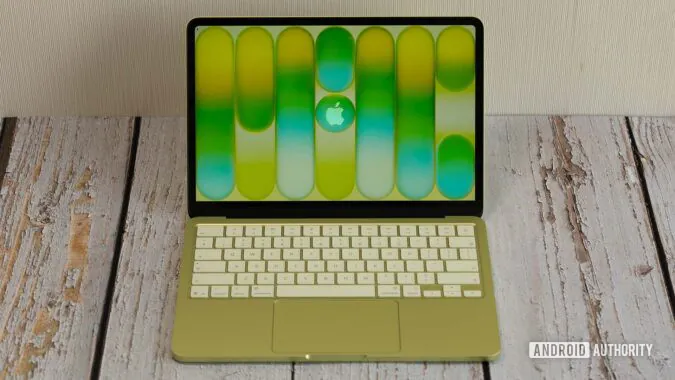
Googlebooks Chromebook Problem May Already Be Brewing as Schools Embrace Apple Hardware
The Googlebooks Chromebook problem could be shaping up before Google even officially launches its new premium laptop lineup. American schools, long considered safe territory for Chromebooks, are starting to look elsewhere. One major district has already committed to a complete switch toward Apple devices, and the ripple effects could spell serious trouble for Google’s plans in the education market.
Kansas City Leads a Major Shift
Kansas City Public Schools recently revealed plans to become what it is calling an entirely Apple-based district. The transition involves replacing more than thirty thousand Chromebooks and Windows-powered PCs with Apple’s brand new MacBook Neo over the coming years. This is not a small experiment or a pilot program. It is a full-scale overhaul of how the district equips its students.
The school system has already purchased over four thousand five hundred MacBook Neo laptops, with additional orders expected to follow. Younger students within the district will continue using the iPads and MacBook Air devices they already have, ensuring that every grade level eventually falls under the Apple umbrella.
Scott Jones, the Chief Technology Officer for Kansas City Public Schools, emphasized in an official statement that students are now showing genuine pride in their schools because they feel they are receiving top-tier products. That kind of message resonates not only with parents and students but also with administrators in other districts watching closely.
Apple Highlights the Win
The decision was significant enough that Apple itself referenced the Kansas City switch during its most recent quarterly earnings call. Executives pointed to the district as a clear example of schools choosing the MacBook Neo over traditional Chromebook deployments. For Apple, this is a powerful marketing moment, showing investors and the public that its push into education hardware is gaining real momentum.
For Google, however, the same example serves as an early warning sign.
Why Chromebooks Have Always Won the Classroom
To understand why this matters, it helps to look at why Chromebooks dominated school classrooms in the first place. The formula was simple. Schools needed laptops that were affordable, easy to manage, and capable of running essential learning tools. ChromeOS delivered on all three fronts. Bulk purchases were budget friendly, IT teams could manage huge fleets of devices with minimal effort, and Google Workspace tied everything together for students and teachers.
This recipe made Google a near default choice for districts across the United States. Replacing that kind of entrenched infrastructure usually takes a strong reason. Kansas City clearly believes they have found one.
Enter Googlebooks: A Premium Pivot
Google recently introduced its newest laptop category called Googlebooks. These devices are powered by Android, run Gemini-based artificial intelligence features, and aim squarely at the high end of the laptop market. Although Chromebooks are still being developed and sold, the broader direction of Google’s laptop ambitions is moving toward premium hardware meant to compete with flagship Windows machines and Apple’s MacBook lineup.
That shift creates an interesting dilemma. By going upscale, Google may be leaving the affordable education segment vulnerable just as Apple makes a serious push to claim it.
The Pricing Squeeze Could Hurt Google
Pricing remains one of Google’s biggest unknowns. The company has not yet revealed how much Googlebooks will cost when they hit the market. Apple, meanwhile, has set a surprisingly aggressive starting price for the MacBook Neo at just five hundred ninety-nine dollars. That figure makes the device far more accessible than traditional MacBooks while still offering Apple’s signature build quality, security, and long-term software support.
If Googlebooks end up significantly more expensive than the MacBook Neo, Google could find itself stuck in an uncomfortable middle. On one side, budget conscious schools will still favor cheap Chromebooks. On the other side, schools willing to invest a bit more might lean toward Apple, especially with Apple’s growing reputation in education environments.
A Threat Bigger Than Laptops
The risks for Google extend beyond just laptops. Students who spend their school days using MacBooks may grow comfortable with Apple’s ecosystem and naturally gravitate toward iPhones, iPads, and other Apple products later in life. Apple’s tight integration across devices is one of its strongest selling points. Features like iMessage, AirDrop, universal clipboard, and seamless app continuity all reward users who stay within the Apple family.
Google has been actively working to bring similar cross-device experiences to Android, with newer versions of the operating system promising tighter integration between phones, tablets, and laptops. However, building that ecosystem maturity takes time, and Apple has spent more than a decade refining it. If younger users build habits around Apple hardware in school, breaking those habits later will be a serious challenge.
A Single District or the Beginning of a Trend
It is worth keeping perspective. Kansas City Public Schools represents one district making one decision. Chromebooks remain incredibly common across thousands of American schools, and their dominance in education will not disappear overnight. Google still has a significant lead in this space.
However, trends in education technology often start with a few high-profile moves before snowballing into broader shifts. If other major districts begin following Kansas City’s lead, the cumulative impact on Android’s position with young users could become serious. Each district that switches represents thousands of students gaining daily exposure to Apple products during their most formative years.
What Google Needs to Do Next
For Google to protect its turf, the company will need to think carefully about how Googlebooks are priced and positioned. Premium AI laptops are an exciting category, but ignoring the education market would be a costly mistake. Continuing to invest in affordable Chromebooks while building out a robust cross-device ecosystem on Android could help offset some of the pressure.
The competition between Apple and Google in classrooms is no longer just about hardware. It is about which company shapes the digital habits of the next generation of consumers. If Google wants to keep that influence, the time to act is now, before the Googlebooks Chromebook problem grows into something much harder to reverse.
Author