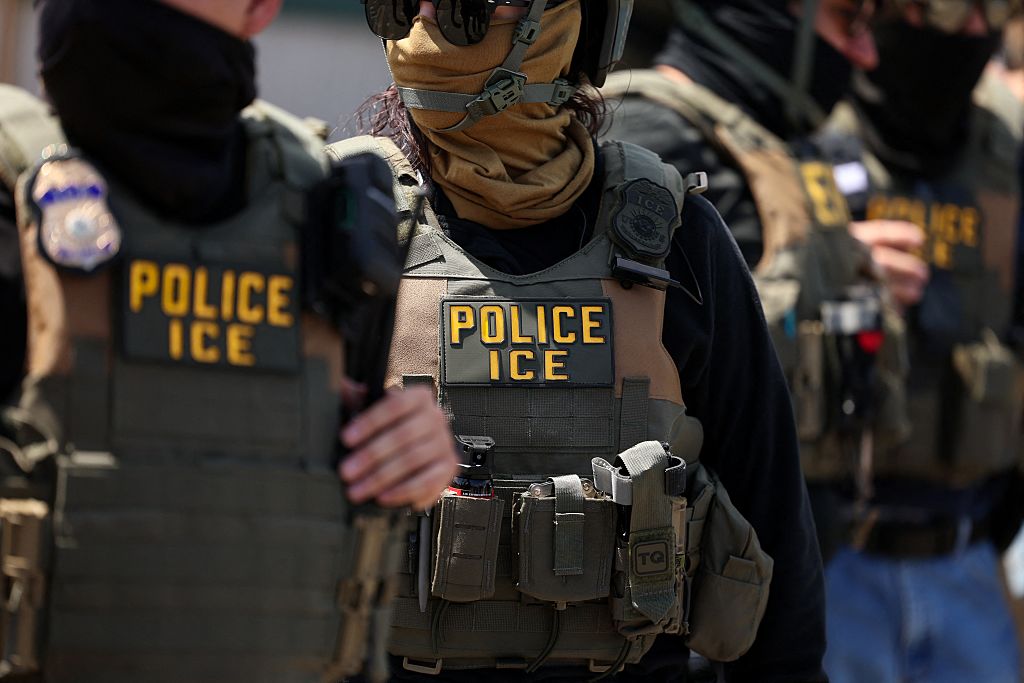
An ICE agent arrested in Texas is now at the center of a legal battle that spans two states and raises difficult questions about accountability and federal immunity. The agent, charged in Minnesota with assault and filing a false police report over the shooting of a Venezuelan immigrant, is being held while he awaits the next steps in his case. Here is a clear breakdown of what happened and what comes next.
Who Was Arrested and What He Faces
The agent at the heart of the case is Christian J. Castro, a 52-year-old Immigration and Customs Enforcement officer. Minnesota investigators tracked him down, and the Texas Rangers took him into custody on Friday.
Castro now faces serious charges in Hennepin County, Minnesota, the county that includes Minneapolis. Specifically, he is charged with:
- Four counts of second-degree assault
- One count of filing a false police report
These charges stem from a violent encounter earlier in the year that has since drawn intense scrutiny.
What Led to the Arrest
The incident traces back to January, during a period of heightened immigration enforcement in Minnesota. According to prosecutors, Castro became involved in a high-speed car chase through Minneapolis as he pursued a delivery driver he suspected of being in the country illegally.
The driver, Alfredo Aljorna, an immigrant from Venezuela, sped toward his own home in an attempt to escape. When he got out of his car, he slipped on a patch of ice. Castro then tried to grab Aljorna while he was on the ground, and the two men struggled until Aljorna managed to break free and run inside his house.
What happened next turned a tense confrontation into a criminal case. Castro fired a bullet through the front door, striking Aljorna’s roommate, Julio C. Sosa-Celis, in the leg, according to state prosecutors.
How the Story Changed
In the immediate aftermath, Castro offered an account that painted himself as the victim. He reported that he had been attacked with a shovel and a broom, and claimed he opened fire because he feared for his life. Based on that version of events, both Aljorna and Sosa-Celis, also a Venezuelan immigrant, were initially charged with felony assault.
That narrative collapsed once video of the encounter came under closer examination. After the footage was reviewed, the charges against the two men were dropped. On May 18, Minnesota prosecutors instead brought charges against Castro himself.
Where the Arrest Took Place
Investigators from the Minnesota Bureau of Criminal Apprehension located Castro in Cameron County, Texas, near the Mexican border. He was arrested Friday morning at a house in Harlingen.
According to a spokesman for the Hennepin County Attorney’s Office, officers from the Department of Homeland Security’s Office of Inspector General were on scene along with Minnesota bureau staff. However, the inspector general’s office stated that it was not involved in carrying out the arrest.
Castro is currently being held without bond at a detention center in Olmito, Texas. He appeared in court on Saturday morning, though it is not clear whether he has obtained legal representation.
The Legal Complications
This case is far from straightforward. While Castro faces Minnesota state charges, including felony assault and falsely reporting a crime, prosecutors may run into significant procedural obstacles.
The central issue is immunity. Federal officers generally enjoy broad protection from prosecution in state court for actions taken in the line of duty. That principle could shape the entire trajectory of the case.
Several complications stand out:
- Castro may seek to have the case moved to federal court.
- In federal court, he could ask a judge to dismiss the charges on the grounds that they relate to on-duty conduct.
- He remains physically in Texas even though the charges originate in Minnesota.
Each of these factors could slow or complicate the path to trial.
What Happens With Extradition
One hurdle appears to have been cleared. According to Sheriff Manuel Trevino of Cameron County, Texas, Castro has waived his right to an extradition hearing.
Even so, the sheriff noted that Castro will still have a court appearance in Cameron County before he can be transferred to Minnesota. That hearing could take place on Friday, according to the sheriff.
What Officials Are Saying
The case has produced sharply divided reactions. Federal officials dismissed the charges as a “political stunt.” At the same time, they acknowledged that the U.S. Attorney’s Office is looking into the perjury allegations.
A spokesman for the Homeland Security Department indicated that Castro could face disciplinary measures, including possible termination, as well as potential criminal prosecution.
Minnesota’s response struck a very different tone. State Attorney General Keith Ellison welcomed the development, expressing satisfaction that Castro had been taken into custody and would stand trial for the crimes he is alleged to have committed in the state.
The Bigger Picture
The case of this ICE agent arrested in Texas highlights a deeper tension in the American legal system: the friction between state efforts to hold individuals accountable and the federal protections that shield officers acting in official roles. With questions of immunity, jurisdiction, and possible federal intervention all in play, the outcome remains uncertain.
As Castro awaits transfer and the legal maneuvering begins, the case is likely to become a closely watched test of how far accountability can reach when a federal agent stands accused of serious wrongdoing. For now, the story is still unfolding, and its resolution may carry implications well beyond the individuals directly involved.
Author