The Colombia presidential election now underway carries stakes that extend far beyond the country’s borders. With voters choosing a successor to left-wing President Gustavo Petro, the outcome could redefine Colombia’s international alliances, reshape its strategy against powerful drug gangs, and recalibrate a turbulent relationship with the United States under Donald Trump.
A High-Stakes Vote
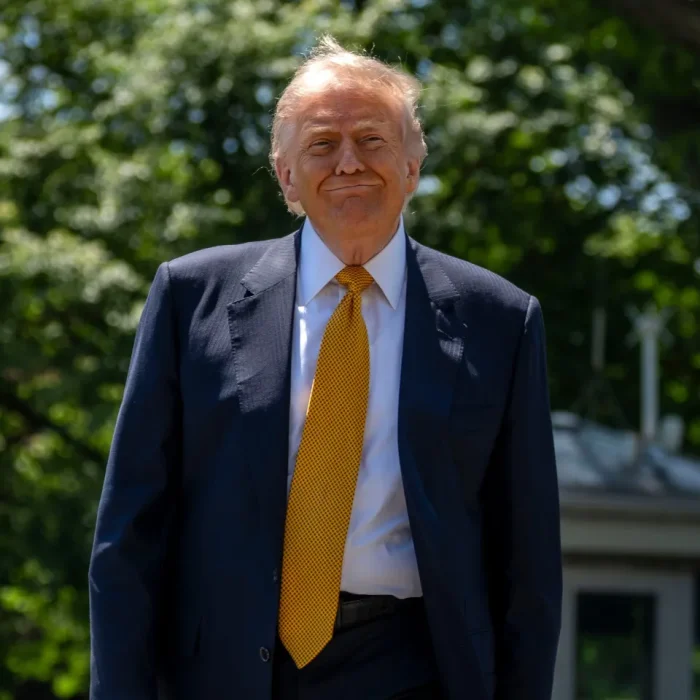
Colombians are heading to the polls following months of public sparring between Petro and Trump. The two leaders have clashed repeatedly over a range of issues, most notably drug trafficking and American intervention in the region, setting a tense backdrop for the contest.
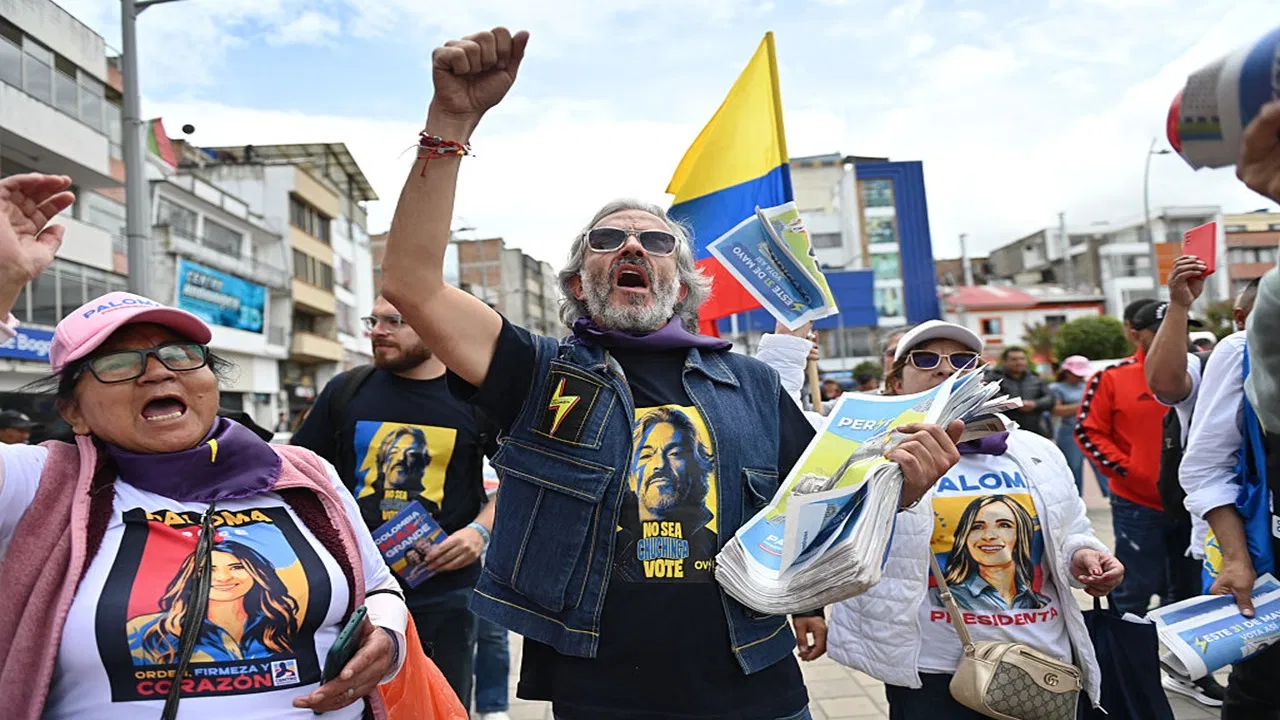
Petro is constitutionally barred from seeking re-election. Instead, he has thrown his support behind Iván Cepeda, who now carries the banner of the political left. Challenging Cepeda are two right-wing candidates, Abelardo de la Espriella and Paloma Valencia, each offering a sharply different vision for the country’s future.
The mechanics of the vote are straightforward, though the implications are anything but. Voting begins at 8:00 local time and closes at 16:00. None of the candidates appears likely to secure an outright majority, which means a runoff is expected on June 21. According to polling, Cepeda holds the greatest support, with de la Espriella positioned as his closest rival.
Competing Visions on Security
At the heart of the election lies a fundamental disagreement over how to confront Colombia’s spiraling violence and entrenched drug gangs.
Cepeda has pledged to continue the Petro administration’s signature “total peace” policy, which pursued negotiated settlements with armed insurgent groups involved in drug trafficking. The approach, however, has faltered. Talks have stalled or collapsed, and violence has surged anew. Underscoring the toll, the International Committee of the Red Cross reported that armed conflict in Colombia last year affected civilians more than at any point in the previous decade.
The right-wing candidates offer a starkly different path. Both de la Espriella and Valencia have vowed to launch a military crackdown if elected, signaling a decisive break from the negotiated approach in favor of force.
An Election Shadowed by Violence
The campaign itself has unfolded against a grim climate of political violence. The danger is not abstract. One candidate was fatally shot last summer, a stark reminder of the risks faced by those seeking office in Colombia.
The precautions have been visible. Just last week, de la Espriella appeared at a rally in Medellín standing behind bulletproof glass, a striking image of how perilous public campaigning has become.
The Question of US Alignment
Perhaps the most consequential dimension of the election concerns Colombia’s relationship with the United States. The candidates are divided on how closely the nation should align itself with Washington.
The differences break down clearly:
- De la Espriella and Valencia have expressed a desire to restore Colombia’s close security alliance with the United States.
- Cepeda, echoing Petro, has insisted that Colombia should not become a “vassal state” to the US.
Despite this rhetorical divide, observers have pointed out that the two countries’ historic cooperation on counter-narcotics has persisted even through their most heated disputes, suggesting a degree of continuity regardless of who wins.
A Shifting Regional Landscape
The election also unfolds within a dramatically changed regional context. The capture by US forces of Venezuela’s former President Nicolás Maduro in January has reshaped Latin America’s political map. That development has left Petro as one of the region’s few remaining left-wing leaders not ideologically aligned with the Trump administration, heightening the significance of who succeeds him.
The Drug Dispute at the Center
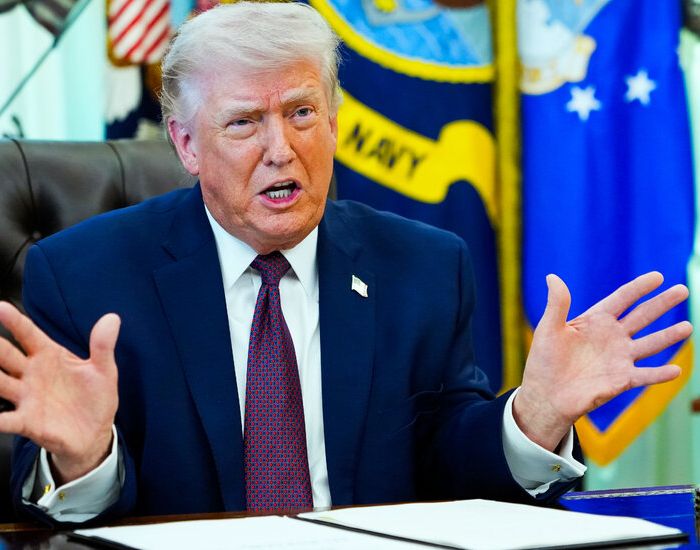
Much of the friction between Petro and Trump has revolved around cocaine. Trump has accused Petro of failing to do enough to stop the flow of the drug from Colombia onto American streets.
The rhetoric has at times been extraordinarily harsh. At one point, Trump derided Petro as a sick man who likes selling cocaine to the United States, and even suggested that he could be next for US military intervention.
Petro has defended his record vigorously, arguing that his government has seized the largest quantity of drugs in history. Yet the data complicates his claims. According to the United Nations’ World Drug Report 2025, cocaine production under his watch has soared to record highs, though Petro disputes the UN’s counting methodology.
Notably, the relationship between the two leaders has not been one of unbroken hostility. The presidents appeared to mend their relations at a White House meeting in February, after which Trump went so far as to call his guest “terrific,” illustrating just how volatile and unpredictable the dynamic has been.
The Bottom Line
The Colombia presidential election represents a genuine crossroads for the nation. Voters are effectively choosing between two competing futures: a continuation of Petro’s peace-focused, independence-minded approach under Cepeda, or a turn toward military force and a renewed embrace of Washington under his right-wing challengers.
With no candidate expected to win outright and a runoff likely on June 21, the final outcome remains uncertain. What is clear is that the decision will ripple well beyond Colombia, shaping the country’s fight against drug violence, its place in a shifting regional order, and the future of its complicated partnership with the United States. As Colombians cast their ballots amid violence and high tension, the path they choose will help determine the direction of one of Latin America’s most pivotal nations.
Author