Trump Says Iran Talks Are Still Alive as Lebanon Flare-Up Tests Fragile Ceasefire
The Trump Iran talks are still on, at least according to President Donald Trump, even as the diplomacy hit a turbulent stretch this week. After Iranian state media reported Monday that Tehran had suspended negotiations with Washington over Israeli military operations in Lebanon, Trump pushed back on the idea that the process had collapsed, projecting confidence that a broader agreement was within reach.
The episode captured the precarious state of a months-long effort to wind down the Iran war: real momentum toward a deal, repeatedly knocked off balance by violence on a connected front.
Trump’s Optimistic Timeline
In a phone interview with ABC News on Monday, Trump said he believed an agreement to reopen the Strait of Hormuz and extend the ceasefire with Iran was achievable “over the next week,” as reported by CNN. Still, he tempered the optimism with a note of realism, acknowledging he still needed “a few more points” before he’d sign off.
Trump also conceded the obvious about the diplomacy, telling ABC’s Jonathan Karl that a negotiated peace could prove more valuable than a military victory but that “it’s not a simple thing.” He added that the U.S. was “getting what we need to get.”
The Strait of Hormuz sits at the center of these negotiations for good reason. According to CNN’s reporting, both sides have treated agreement on navigation through the vital waterway as a crucial first step after months of paralysis that drove up the price of crude oil and other commodities.
A “Glitch” in Lebanon
The immediate threat to the talks came not from Tehran’s negotiating table but from southern Lebanon. Iranian state media said Monday that negotiations had been suspended over Israel’s actions there, where Israeli forces and the Iran-backed Hezbollah have continued exchanging fire despite an earlier ceasefire.
Trump waved off the disruption. Referring to the situation in southern Lebanon, he told ABC there had been “a little glitch today,” but said he had “turned that one around very quickly.”
The Beirut Strike That Didn’t Happen
The “glitch” Trump referenced was a planned Israeli strike on Beirut, one he says he personally helped avert. In a series of posts on Truth Social, the president described a “very productive call” with Israeli Prime Minister Benjamin Netanyahu and declared that no troops would be going to Beirut, with any already en route turned back.
Reporting from multiple outlets confirms the strike was indeed called off, though the picture was messier than a clean reversal. The Times of Israel reported that an Israeli source said Jerusalem agreed to postpone planned strikes on Beirut, hours after Netanyahu and Defense Minister Israel Katz had said they instructed the military to hit Hezbollah targets in the capital’s Dahieh district, a Hezbollah stronghold.
According to CNN, citing a regional diplomat, the United States informed Qatar after the Trump-Netanyahu call that it had instructed Israel to cancel the operation. Qatar had been working with Washington over the weekend and into Monday to push for de-escalation.
Mixed Signals From Jerusalem
Here’s where your average summary gets it too neat. The reporting shows Netanyahu’s stance was more conditional than a simple “troops turned around.”
CNN reported that even after Trump said Israeli forces would not move on Beirut, Netanyahu later said the Israeli military would continue striking southern Lebanon “as planned.” The Jerusalem Post similarly reported Netanyahu’s framing that if Hezbollah did not stop attacking Israeli towns and citizens, Israel would strike terror targets in Beirut, while also stating the IDF would keep operating in southern Lebanon.
The Times of Israel noted that Netanyahu’s statement came roughly two hours after Trump announced the ceasefire, fueling the impression in some reporting that the arrangement had effectively been imposed on Jerusalem by Washington. Axios, as cited by the Times of Israel, characterized Trump’s message to Netanyahu in notably blunt terms.
On the other side, there were signs of a genuine de-escalation framework. According to CNN, the Lebanese Embassy in Washington said Hezbollah had agreed to a U.S. proposal under which Israeli strikes on Beirut’s southern suburbs would cease in exchange for Hezbollah halting its attacks on Israel.
What Hangs in the Balance
Why does a strike in Beirut threaten a deal with Tehran? Because the two are linked. U.S. officials told Axios, as reported by the Times of Israel, that Trump believed the IDF had responded disproportionately in recent days, endangering Washington’s push to extend the ceasefire with Iran, which has been conditioning a deal on a truce in Lebanon.
That interconnection helps explain why the broader picture remains genuinely uncertain. CNN’s reporting noted that the status of the U.S.-Iran talks was unclear even as Trump projected confidence, with fast-moving developments in Lebanon capable of derailing progress at any moment.
Rubio Heads to Capitol Hill
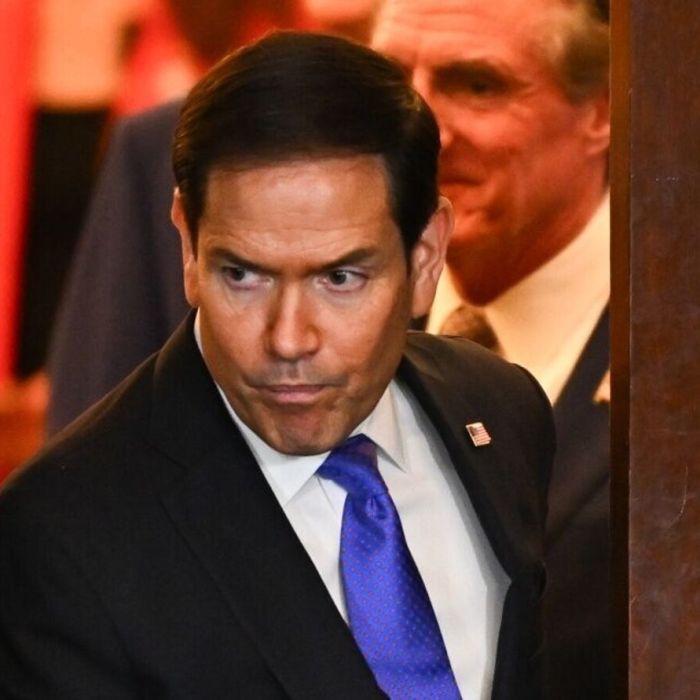
The diplomacy faces scrutiny at home, too. Secretary of State Marco Rubio is scheduled to testify before Congress on Tuesday for the first time since the Iran war began, according to the Associated Press.
The former senator is set to appear before both Senate and House committees, ostensibly to present the State Department’s annual budget request. But the AP reported that the focus is likely to pivot quickly to the unsteady ceasefire with Tehran, which recent back-and-forth attacks have further tested. Trump’s shifting goals for the conflict, the AP noted, have made the administration’s job of defending it more difficult, particularly given past promises to avoid “forever wars” in the Middle East.
The Bottom Line
For now, the Trump Iran talks exist in a familiar limbo: alive by the president’s account, suspended by Tehran’s, and perpetually vulnerable to the next flare-up in Lebanon. Trump’s prediction of a deal “over the next week” echoes earlier optimistic timelines that have come and gone. Whether this round produces a durable agreement to reopen the Strait of Hormuz and extend the ceasefire, or simply another temporary patch over a conflict that keeps reigniting, remains to be seen. Rubio’s testimony may offer the clearest window yet into how solid the ground beneath these negotiations really is.
Author