In a dramatic escalation of an already volatile conflict, the Israel strikes Iran military targets development unfolded early Monday as the Israel Defense Forces confirmed it had hit sites in western and central Iran — a move that came against the explicit wishes of President Donald Trump.
What the IDF Confirmed
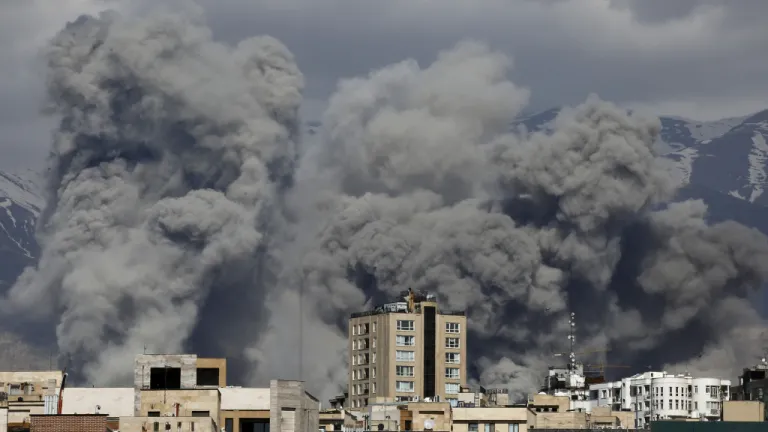
The Israel Defense Forces announced that the Israeli Air Force struck military targets in western and central Iran, with the military saying additional details would follow. The strikes came hours after Iran fired a salvo of missiles at northern Israel. The Times of Israel
According to local Iranian media, the impact was felt across several major cities. Explosions were reported in Tehran, Tabriz, and Isfahan. Iran’s IRGC-affiliated Tasnim news agency also reported that targets were hit in Tabriz and other locations in western Iran, while explosions were said to have been heard near Karaj, outside the capital. In the aftermath, Iran’s Islamic Republic News Agency reported that all flights at Tehran’s Mehrabad airport were suspended until further notice. The Times of IsraelThe Jerusalem Post
The IDF framed the operation as an extension of its earlier campaign, stating that the strikes further enhanced the Israeli Air Force’s freedom of action in Iranian airspace following the degrading of Iranian defense capabilities during Operation Roaring Lion.
Trump Urged Restraint — and Was Ignored
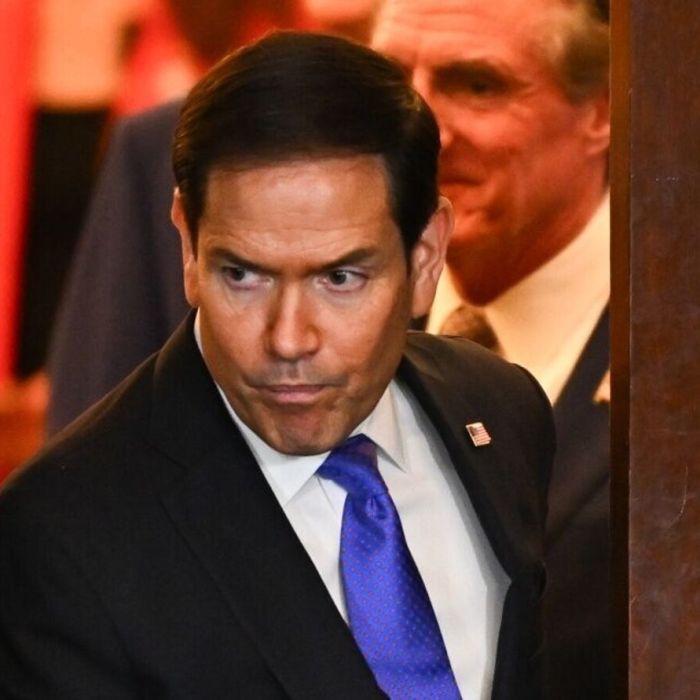
Perhaps the most striking element of this escalation is that it ran directly counter to President Trump’s stated wishes. Earlier on Sunday, Trump said he planned to urge Prime Minister Benjamin Netanyahu to hold off on any retaliation to the ballistic missile attacks. The Times of Israel
Trump’s reasoning, according to reporting, was that further retaliation would simply prolong a cycle of conflict. He reportedly remarked that if Netanyahu struck back, the fighting would “just gonna keep going like the last 47 years,” adding that the Iranian attack on Israel “didn’t hurt anybody.”
The timing is notable given Trump’s recent posturing. Just days earlier, he had claimed he “calls the shots” in the region and asserted that Netanyahu “won’t have any choice” but to accept a U.S.-Iran deal. The latest strikes suggest the Israeli leadership was prepared to act independently of Washington’s preferences.
A Region on Edge
The exchange has put neighboring countries on high alert. As the missiles flew, the US State Department advised American citizens in Jordan to seek shelter due to missiles in the airspace over the country. Saudi Arabia reportedly sounded missile alert sirens in Al Kharj before later issuing an all-clear. The Times of Israel
For its part, the IDF said it was fully prepared for both offensive and defensive operations, signaling that Israel anticipates further Iranian retaliation and a possible return to sustained direct exchanges between the two adversaries.
Diplomatic Fallout
The strikes threaten to further complicate already fragile diplomatic efforts. Iran’s Foreign Ministry spokesperson, Baghaei, placed direct responsibility for the recent ceasefire breaches on the United States, arguing that Israeli actions cannot be separated from U.S. policy. He warned that the latest developments would only worsen the diplomatic process with Washington.
This warning carries weight given the broader context. Following an earlier two-week ceasefire, initial U.S.-Iran talks held in Pakistan in April failed to produce a peace deal. Trump subsequently announced an open-ended extension of the ceasefire alongside the continuation of a U.S. blockade until negotiations conclude “one way or the other.” The fresh strikes now cast serious doubt over whether those negotiations can move forward at all.
Market Impact
The escalation rippled through global markets almost immediately. Crude oil prices climbed on the news, with West Texas Intermediate crude rising more than 3 percent following the headlines. FXStreet
The Bigger Picture
This latest round of fighting traces back to late February, when President Trump announced “major combat operations” against Iran on February 28, featuring large-scale joint U.S.-Israeli strikes on military, government, and infrastructure sites. Months of fragile ceasefires, failed negotiations, and intermittent clashes have followed.
With Israel striking despite American objections, Iran vowing consequences, and diplomacy hanging by a thread, the situation remains highly fluid. Given how rapidly events are developing, details may continue to shift in the hours ahead, and official figures on damage and casualties had not been fully released at the time of reporting.
Author