The Mamdani budget deal landed just hours before its legal deadline, giving New York City a $125.8 billion spending plan while forcing the new mayor to scale back one of his signature campaign promises. Struck late Tuesday between Mayor Zohran Mamdani and the City Council, the agreement waters down a planned expansion of rental assistance, a retreat that lays bare the harsh fiscal realities confronting the city.
For a mayor elected on a platform of bold public investment, the compromise marks a sobering introduction to the constraints of governing.
A Deal Sealed at the Last Minute
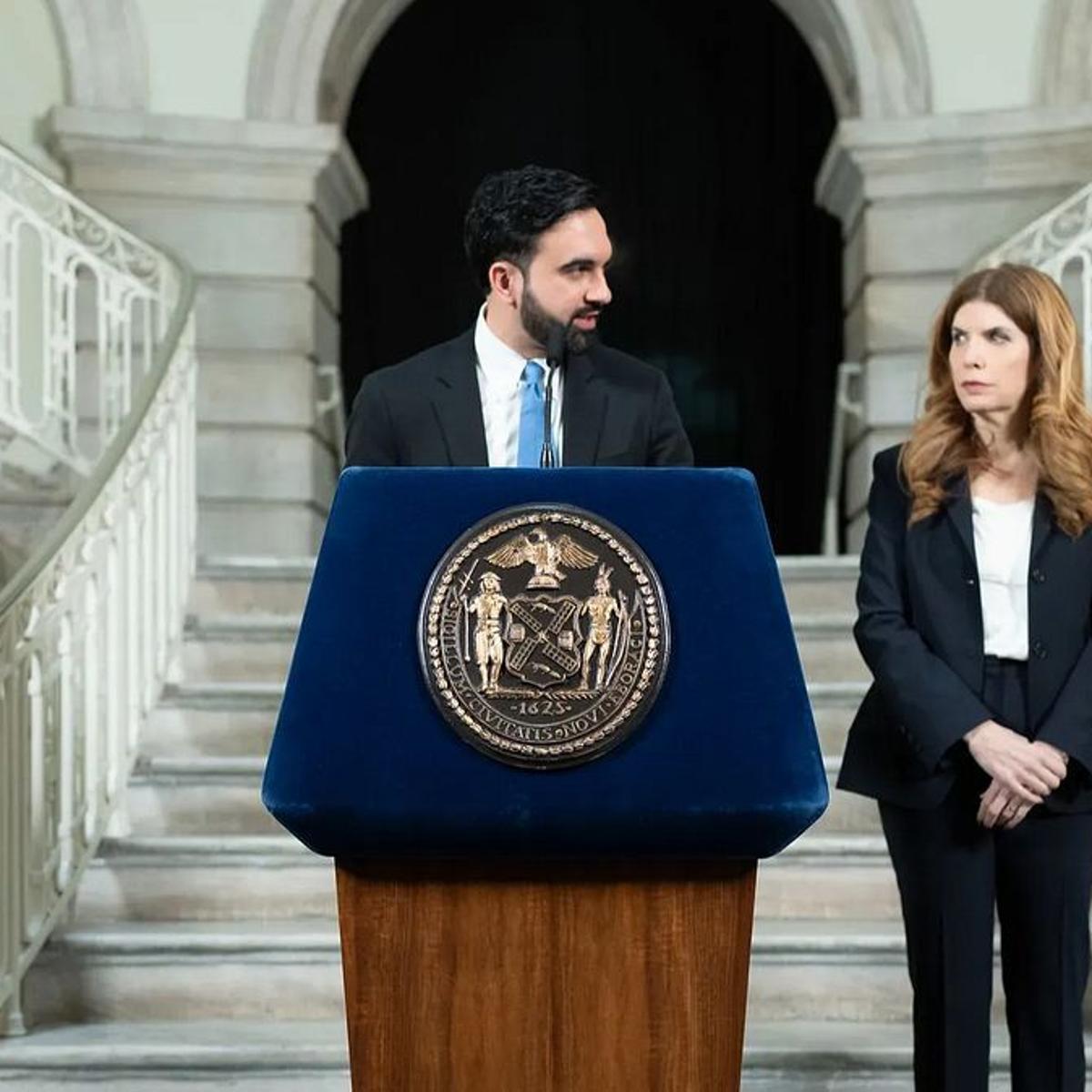
The budget for the 2027 fiscal year was cemented Tuesday morning with a handshake at City Hall between Mamdani and Council Speaker Julie Menin. The ceremonial moment came just 15 hours before the budget was legally due, an unusually tight finish that followed negotiations described as tense at times.
Later that day, with under four hours remaining before the deadline, the Council approved the plan in a 46-6 vote. Five of the dissenting votes came from Council Republicans angry over Mamdani’s decision to abandon a planned NYPD headcount increase. The sixth came from Democrat Althea Stevens, who said the budget failed to direct enough funding to her Bronx district.
Standing in the City Hall Rotunda, Mamdani framed the plan as a foundation for the future. He called it only the first budget of his administration and promised that those to come would build on principles of honest budgeting, fiscal discipline, and transparent government in service of working people.
A Surprising Embrace of Fiscal Restraint
Mamdani’s turn toward belt-tightening has struck many as unexpected. As a candidate last year, he campaigned on sweeping government investments, but upon taking office he scaled back many of his costliest proposals, blaming a multibillion-dollar deficit he attributes to his predecessor, former Mayor Eric Adams.
That fiscal hole pushed him toward austerity across the city bureaucracy, especially after his effort to raise state-level taxes on millionaires and corporations only partly succeeded. With another sizable deficit looming next year, Mamdani will likely have to keep pressing for tax hikes, spending cuts, or some combination of both.
Given his ties to the Democratic Socialists of America, his emphasis on fiscal responsibility has surprised supporters and drawn criticism from progressive allies, who bristle at his explanation for why several big-ticket promises must wait.
The Fight Over Rental Assistance
Nowhere was that tension more visible than in the battle over CityFHEPS, the City Fighting Homelessness and Eviction Prevention Supplement, which subsidizes rent for low-income New Yorkers. Funding for the program became the central sticking point in the final stretch of negotiations.
As a candidate, Mamdani vowed to implement 2023 Council legislation that would dramatically broaden eligibility, a measure Adams had refused to enact. Once in office, though, he reversed course, calling the expansion far too expensive given the city’s deficit.
The compromise reached Tuesday creates a new voucher program rather than expanding the existing one. It carries a $175 million budget for the coming fiscal year, though only $125 million will continue as recurring funding in later years.
That figure falls dramatically short of the original vision. Estimates suggested the 2023 expansion would have required at least an additional $1 billion annually, on top of the $1.8 billion CityFHEPS already costs each year. It also came in below what the Council sought, with Menin having signaled last week a willingness to accept $300 million in added annual funding while advocates pushed for at least $500 million.
Councilmember Pierina Sanchez, a key negotiator, acknowledged the outcome fell short of the goal but, like most progressives, still voted yes, describing the voucher funding as a first step alongside investments in childcare, parks, and housing.
Who Actually Qualifies
The structure of the new program reveals just how much the ambition was trimmed. While it does raise the income eligibility threshold as promised, it narrows who can access the vouchers in a crucial way.
Under the 2023 legislation, low-income residents in private apartments would have qualified once they received an eviction notice. The new deal restricts eligibility to tenants in rent-stabilized apartments who are already in active eviction court proceedings.
One Council member involved in the talks, speaking anonymously, warned that the funding is not enough to cover everyone in the new eligibility pool. Instead, the program will be capped, meaning newly eligible residents can access vouchers only until the money runs out.
Christine Quinn, a former Council speaker who leads the family shelter provider WIN, called the deal a good step in the right direction and noted it required Mamdani to drop an Adams-era legal case that had stalled CityFHEPS reforms for years. Still, she made clear her advocacy would continue, both on funding and on the program’s structure.
Looming Deficits Cloud the Future
Any further expansion will run headlong into daunting budget math. Late Tuesday, Mamdani’s administration released projections showing next fiscal year’s gap stands at $6.4 billion.
City Comptroller Mark Levine flagged these out-year shortfalls as among the mayor’s most pressing challenges, pointing out that the administration needed a $6.1 billion infusion of state aid just to close the upcoming year’s deficit. He cautioned that while the agreement carries the city through a difficult year, it leaves the deeper structural problems unresolved, warning that next year’s budget could prove even harder.
Reversals on Policing and Transit
The budget also reflects Mamdani’s shifting stance on the NYPD. He drew sharp criticism from allies, including the city’s DSA chapter, when he backed Commissioner Jessica Tisch’s plan in early June to add 580 officers, breaking his pledge to keep police headcount flat.
By Tuesday, he said he and Tisch had found ways to hold the headcount steady while still meeting the city’s crime-fighting needs, though he offered few specifics.
On transit, the plan expands the Fair Fares discount program, making an additional 340,000 low-income New Yorkers eligible for half-price subway and bus rides. Mamdani cast this as progress toward his fare-free bus vision, though the deal omits Menin’s push for automatic enrollment and remains far from his campaign pledge to eliminate bus fares entirely.
Other Investments and a Parting Message
Elsewhere, the budget secures $31.7 million in recurring annual funding for public libraries, reversing Adams-era cuts, though it still falls short of Mamdani’s promise to devote 0.5 percent of the total budget to libraries. It also includes $53 million for NYC Kids Rise, a Menin priority that funds college savings accounts for kindergartners in public schools.
At the press conference, Mamdani argued the budget proves socialists like himself understand economics as well as capitalists do. Menin, a more moderate Democrat, gently sidestepped the framing, remarking that there is no ideological way to pick up the trash and that the work is ultimately about delivering for New Yorkers.
For Mamdani, the deal represents both a pragmatic first act and a preview of the difficult choices ahead, as a self-described democratic socialist learns to govern a city hemmed in by deep and persistent deficits.
Author