The MMR vaccine, one of the most studied combination shots in modern medicine, is now at the center of a sweeping federal directive. President Trump signed an executive order on Monday instructing that the measles, mumps and rubella immunization be broken into three separate single-disease injections, and that childhood vaccines generally be given across different medical appointments rather than during a single visit.
The order arrives at a politically charged moment, with vaccine policy returning to the national conversation ahead of the midterm elections.
What the Order Actually Says
The text directs that the combined shot be administered as three individual products once such versions are available from domestic manufacturers. It further instructs that, wherever practical, all childhood immunizations be spaced out across separate appointments.
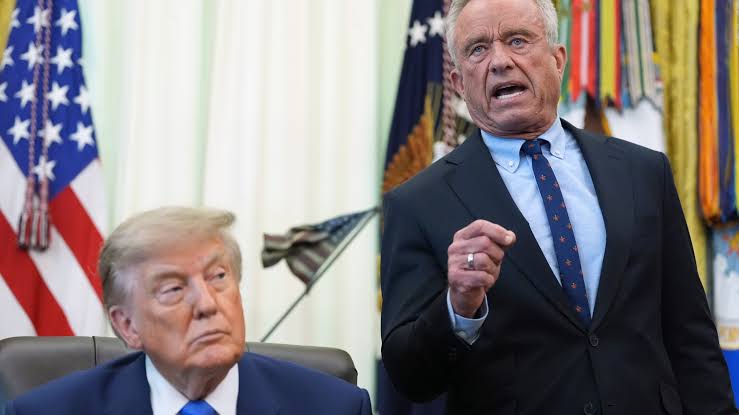
Speaking at the Oval Office signing, Trump described the goal plainly: he wants the shot delivered in three parts at three different times. He suggested that giving the components together could be dangerous, comparing the volume administered to a child to drinking a bottle of soda.
There is a significant practical obstacle buried in that language. Standalone measles, mumps and rubella vaccines do not currently exist on the American market. Manufacturers would need to run clinical trials and shepherd each product through regulatory approval before the order could be implemented as written.
How This Policy Resurfaced
The proposal is not new. Vaccine advisers selected by Health Secretary Robert F. Kennedy Jr. recommended splitting the combination shot last autumn as part of a broader rethinking of the childhood schedule.
The White House had reportedly encouraged Kennedy to step back from that fight earlier in the year, viewing it as unnecessarily contentious. But according to reporting from the Wall Street Journal, the president himself pressed Kennedy about why childhood vaccine policy had stalled, indicating that his personal interest in the subject never faded.
Monday’s order suggests that interest has now overtaken the earlier caution.
What the Evidence Shows
Federal health guidance directly contradicts the rationale offered for the change.
The CDC states that no published scientific research demonstrates any benefit to separating the combination shot into three individual doses. The agency acknowledges a very small risk of febrile seizures and extremely rare severe allergic reactions, while emphasizing that receiving the vaccine is substantially safer than contracting measles, mumps or rubella.
On the autism question, vaccine safety specialists at the CDC and the American Academy of Pediatrics have consistently found no link between the MMR shot and rising autism diagnoses.
More broadly, there is no evidence that the childhood immunization schedule used before the current administration posed any health risk to children.
A Republican Doctor Breaks Ranks
Some of the sharpest criticism came from within the president’s own party. Senator Bill Cassidy of Louisiana, a physician who chairs the Senate health committee, called the order wrong and argued the president lacks the expertise to make such determinations.
His central objection was mathematical rather than ideological. Splitting the vaccine does not reduce the number of injections a child receives. It multiplies them. Where one shot previously delivered protection against three diseases, three shots would now be required for identical coverage. Cassidy warned this would deepen hesitancy and leave children less protected, not more.
The Practical Consequences
Public health specialists point to several ripple effects that could follow if the directive takes hold:
- More appointments. Spacing immunizations across separate visits means additional trips to the pediatrician, each requiring time off work and transportation.
- Higher costs. It remains unclear whether insurers will cover the extra office visits the policy would require.
- Greater dropout risk. Every added appointment is another opportunity for a visit to be missed and a dose never completed.
- Supply gaps. Until standalone products clear trials and approval, the order cannot be fully carried out.
The timing amplifies each of those concerns. Measles infections in 2026 have already exceeded the full-year total from 2025, an unwelcome milestone for a disease that was once declared eliminated in the United States. Measles is among the most transmissible pathogens known, and it spreads quickly wherever immunization coverage slips below the threshold needed for community protection.
Legal Headwinds Ahead
This is not the administration’s first attempt to reshape vaccine policy, and previous efforts have run into judicial resistance. Courts have already frozen an effort to trim the federal list of recommended childhood vaccines and to restrict eligibility for certain shots.
That history suggests the new order may face challenges of its own, whether from public health organizations, medical associations, or state officials who set their own immunization requirements for school entry.
The Underlying Tension
Strip away the politics and a straightforward tension remains. The stated aim is fewer vaccinations for children. The actual mechanism produces more injections, more appointments, and more chances for a child to fall behind schedule.
Supporters of the current system argue that combination vaccines exist precisely because convenience drives completion. Fewer visits mean fewer missed doses, and fewer missed doses mean stronger community protection.
Critics of the schedule counter that parents deserve more granular control over what their children receive and when.
What is not in dispute among mainstream medical bodies is the safety record of the combined shot itself. Decades of surveillance data underpin its place in routine pediatric care.
Whether this order becomes operational policy or stalls in courtrooms and manufacturing timelines, it has already reopened one of the most consequential public health debates in the country, and it has done so while measles is spreading faster than it has in years.
Author