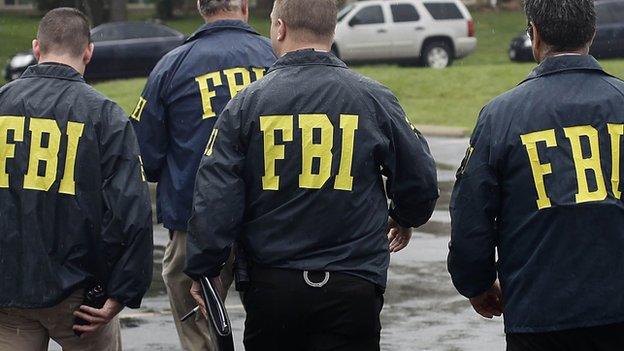
The FBI raid on an Ohio voter registration group has ignited fresh controversy, after federal agents stormed the Cleveland offices of one of the state’s largest 2024 registration operations on Thursday, hauling away computers and other materials.
The target was the Ohio Organizing Collaborative, a community activist organization with roots stretching back two decades. The group describes its mission as organizing everyday Ohioans to build power for racial, social, and economic justice—and it played a major role in the most recent election cycle.
A Major Player in Ohio Elections
The collaborative is no small operation. It registered more than 100,000 Ohioans to vote in the 2024 elections and was active in opposing Republican-led redistricting efforts in 2025.
According to people familiar with the action, the warrants executed Thursday appeared to zero in on those 2024 voter registration efforts.
Scenes From the Raid
The scale of the law enforcement presence was striking. Prentiss Haney, a former executive director who now sits on the group’s board, said roughly 25 FBI agents descended on the office to seize devices.
But the operation didn’t stop there. Haney estimated that more than 100 FBI and Department of Homeland Security agents spread across the state that same day, showing up at the homes of people connected to the collaborative. According to Haney, these agents demanded to speak with residents despite carrying neither subpoenas nor warrants.
Haney, who wasn’t present at his home or office during the raids, was blunt about how the group interprets the move. “The only thing we can think is that this is a political act to try and intimidate people from voting,” he said, adding that there was “no basis for this, especially with the kind of force they brought.”
The Justice Department declined to share specifics. An official noted only that search warrants are authorized by a judge and that the target of any investigation isn’t entitled to see the underlying affidavit until after an indictment.
Part of a Broader Campaign
The raid fits into a wider pattern. It marks the latest front in the Trump administration’s ongoing push to investigate and prosecute what it describes as voter fraud nationwide. Much of that effort has centered on two claims: that noncitizens are casting ballots, and that votes are being recorded on behalf of deceased people.
Yet the consensus among experts tells a different story. Many election officials and voting rights advocates maintain that voter fraud in the United States is exceedingly rare. Democrats, meanwhile, argue that administration officials are searching for a pretext to challenge results they dislike.
President Trump has repeatedly worked to sow doubt about the election system, asserting without evidence that large numbers of noncitizens and dead people are voting for Democrats. Most recently, he branded California’s recent primary “rigged” and “crooked” during an NBC interview, walking off the set when the host pushed back.
A Pattern of Pressure
The administration’s broader strategy has taken several forms:
- The Justice Department has demanded voter roll data from states and sued those that refused to comply
- Officials launched a criminal investigation in Fulton County, Georgia—where Trump has long blamed fraud for his narrow 2016 loss, a claim rejected by Republican state officials
- The DOJ has sought to prosecute noncitizens Trump claims are voting illegally, though it has struggled to find the widespread fraud he describes
- A top federal prosecutor in Los Angeles recently said his office had opened “multiple election fraud investigations,” without citing any supporting evidence
The Justice Department and Homeland Security have been collaborating closely on these efforts, with DHS helping to verify whether names on voter rolls belong to citizens.
Targeting Nonprofits Is Unusual
What sets this raid apart is its focus on an organization itself rather than an individual. While the administration has launched numerous investigations, directly targeting nonprofits has been rare—though some individuals tied to such groups have occasionally faced charges.
The Ohio Organizing Collaborative isn’t entirely without history on this front. In 2017, one of its canvassers pleaded guilty to state charges of fraudulently registering more than three dozen people. More recently, federal prosecutors in California charged a Los Angeles organizer with allegedly paying homeless people to register.
Ohio’s own election officials have raised concerns too. In October 2025, Republican Secretary of State Frank LaRose said he had referred information to the Justice Department about more than 1,000 noncitizens who appeared to have registered illegally.
Fierce Pushback From Democrats
The raid drew swift condemnation from Rep. Shontel M. Brown of Ohio, who framed it as part of a campaign to “attack our elections and perpetuate more myths of voter fraud.”
“My office has contacted the FBI demanding information, and I am deeply concerned that this is an effort to use federal law enforcement to intimidate and halt voter registration and organizing efforts,” Brown said. She called the operation “an unprecedented attack on democracy” and demanded that “these raids must end immediately.”
As the investigation unfolds, the clash highlights a growing tension at the heart of American elections—between an administration determined to root out fraud it insists is widespread, and critics who warn that the real threat lies in the intimidation of voters and the groups that help them participate.
Author