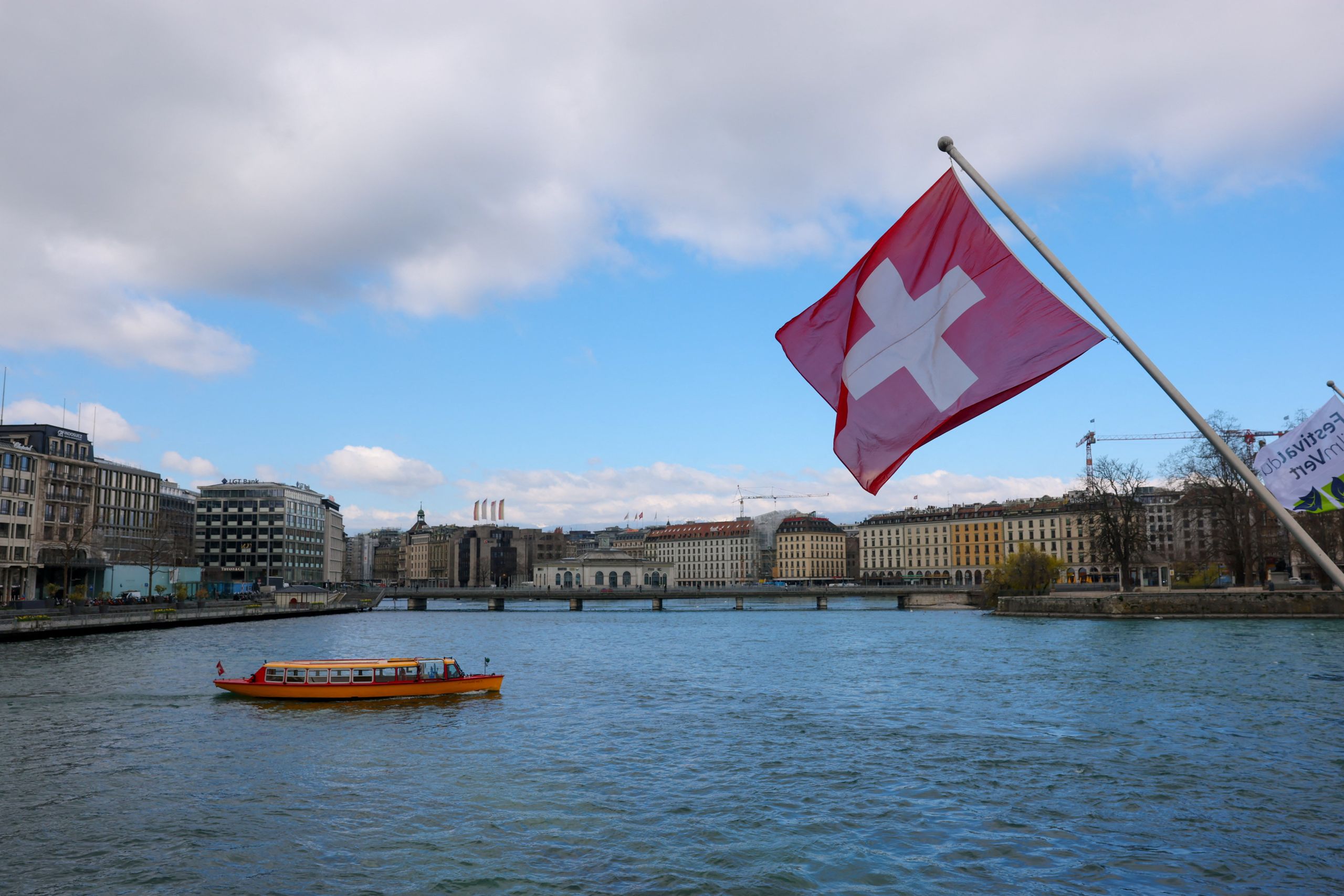
The Switzerland population cap referendum heads to voters this Sunday, posing a question that could reshape one of Europe’s wealthiest and most open economies: should the country place a hard limit on how many people can live within its borders?
For a nation that has long embraced free movement and foreign investment, the proposal marks a striking departure—and it has businesses, economists and politicians sharply divided.
Why the Vote Is Happening Now
The referendum follows a decade of notable growth. Switzerland’s population climbed 10% in the ten years through the end of 2025, reaching just over 9.1 million.
That growth has come alongside demographic shifts. For the first time, the country has more residents over 65 than under 20. At the same time, both net migration and the birth rate dipped last year—a sign the pressures driving the vote may already be easing somewhat.
A Nation Built on Openness
Switzerland’s appeal to the wider world is hard to overstate. Relatively low taxation has helped make it home to global giants like Nestlé, Novartis, and a host of multinationals in finance, luxury goods and technology. It boasts one of the highest concentrations of billionaires anywhere and a GDP per capita well above many developed peers.
Immigration is woven deeply into that success. Consider the numbers:
- At the end of 2024, 41% of the population had a “migration background”
- Roughly 32.5% of permanent residents are first-generation immigrants
- An estimated 1.4 million EU citizens live in Switzerland, about 16% of the population
- Another 340,000 EU citizens cross the border daily to work
A recent poll suggests the measure faces an uphill climb, with 52% of respondents opposed and 45% in favor.
How the Cap Would Work
Should voters approve the proposal, the Federal Council and parliament would be required to introduce measures to slow population growth through 2050.
The mechanics are tiered. If the population surpassed 9.5 million at any point over the next 24 years, immigration systems would tighten—with asylum and family reunification programs first on the chopping block. More dramatically, if the population climbed above 10 million, Switzerland’s freedom of movement agreement with the European Union could end entirely.
That last point carries weight. Switzerland belongs to the border-free Schengen zone and maintains an agreement allowing its citizens and those of the EU to live and work freely in each other’s territories, provided they have a job or other income.
The Case for the Cap
The right-wing SVP party is leading the charge, urging voters to “send a clear signal” against what it describes as “overwhelming” population growth.
The party insists the cap wouldn’t slam the door shut, noting it would still permit around 40,000 newcomers each year. SVP lawmaker Piero Marchesi argued that rapid growth has strained public services, wages, rents, education and the labor market—everyday concerns the campaign hopes will resonate.
Business Sounds the Alarm
The opposition, however, is formidable. Companies headquartered in Switzerland warn that meaningful immigration caps would erode the country’s competitive edge at a fragile moment, with the economy already grappling with sluggish growth, a surging currency, disinflation and the impact of US tariffs.
The trade body Economiesuisse, whose 100,000 members include Amazon Web Services, Roche, Google and Johnson & Johnson, has come out against the measure. Chief Economist Rudolf Minsch said the country’s prosperity rests on “openness, innovation and strong economic relations with Europe.”
While acknowledging that worries over housing and infrastructure deserve serious attention, Minsch argued that “rigid immigration caps are not the right answer,” particularly if they jeopardize the bilateral agreements with the EU that he called central to the Swiss economy. He warned that heavy restrictions would weaken innovation and make it harder to attract international talent in fields like pharmaceuticals, technology and healthcare.
Corporate Leaders Weigh In
Some of Switzerland’s biggest names have added their voices. Nestlé CEO Philipp Navratil emphasized how attractive the country has become to investors, cautioning that such conditions “must not be taken for granted.” He pointed to his company’s deep roots—nine factories, three research centers, and a 160-year history of conducting most of its research and development in Switzerland.
UBS CEO Sergio Ermotti voiced concern about “extreme initiatives.” He acknowledged that the high share of foreign-born residents—around 30%, comparable to Australia—has fueled frustration in some quarters, but argued a cap isn’t the solution. UBS itself employs roughly 33,500 people in the country.
A Cautionary Tale From Brexit
Economists warn the damage could extend well beyond migration figures. Joao B. Duarte, an economics professor at Portugal’s Nova School of Business and Economics, suggested a cap could erode Switzerland’s credibility even before any legal threshold is hit. “If firms believe access to European labor may become more uncertain, investment decisions can shift well before the legal trigger is reached,” he said.
He pointed to the United Kingdom’s exit from the EU as a useful warning, noting that ending free movement there didn’t produce a smooth shift to domestic self-sufficiency but instead created shortages, recruitment friction and higher costs in sectors reliant on flexible EU workers.
Duarte stressed that the EU is Switzerland’s main trading partner, and that free movement is tightly bound to the broader framework granting Swiss firms privileged access to European markets. A “yes” vote that ultimately forced Switzerland to abandon free movement, he warned, could ripple across the entire Swiss-EU economic relationship—not just immigration policy.
As Sunday approaches, the referendum has become far more than a debate about numbers. It’s a test of how a small, prosperous nation balances genuine concerns about growth and housing against the open, internationally connected model that helped build its wealth in the first place.
Author