Oil prices slide on Tuesday, pulling back from a sharp rally the day before, as traders continue to weigh the threat of supply disruptions tied to fresh tensions between the United States and Iran. The market mood remains jittery, with energy stocks reacting to every new development out of the Middle East.
A Quick Reversal After Monday’s Surge
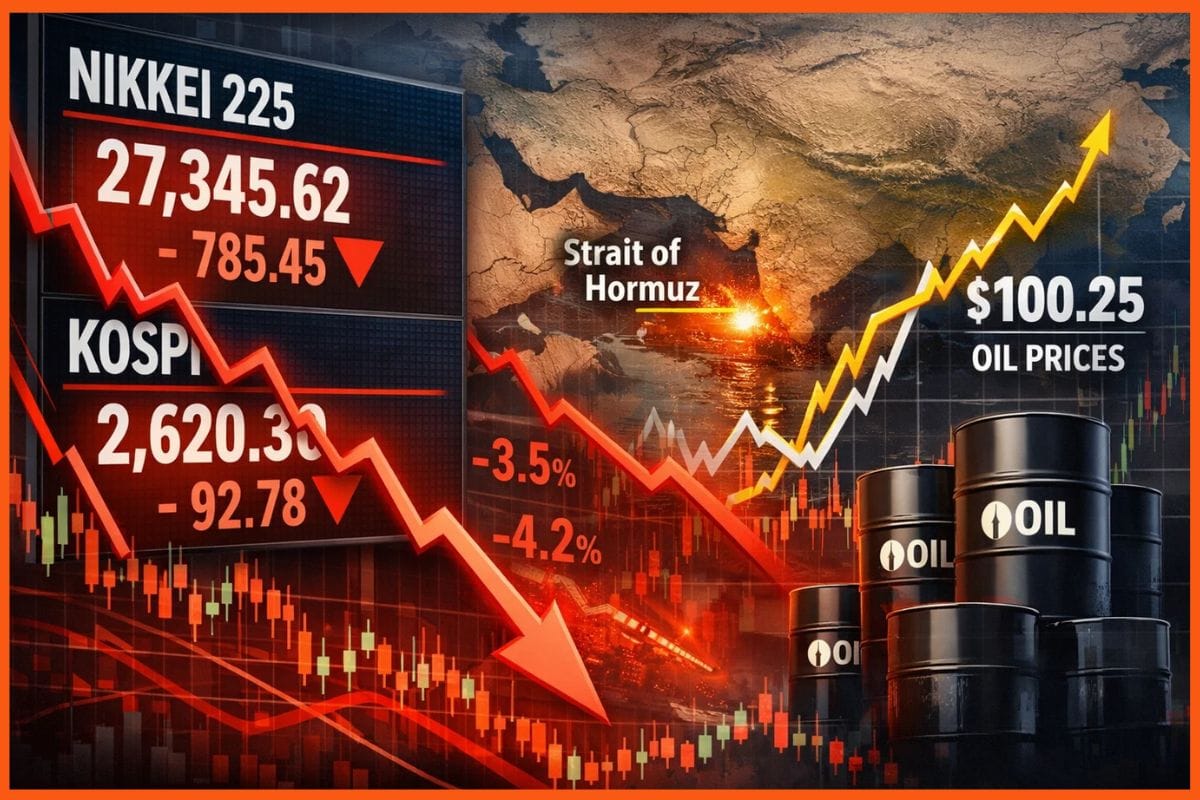
Just a day after a strong climb, both major crude benchmarks turned lower. Brent crude futures for July delivery dropped 1.26 percent to settle near $113 per barrel. U.S. West Texas Intermediate, or WTI, slipped further, falling 2.12 percent to about $104.16 per barrel.
The pullback follows Monday’s dramatic gains, when Brent jumped 6 percent and WTI rose 4 percent. That surge came on the back of escalating fears that the fragile ceasefire between Washington and Tehran was beginning to fall apart.
Ceasefire Cracks as Attacks Escalate
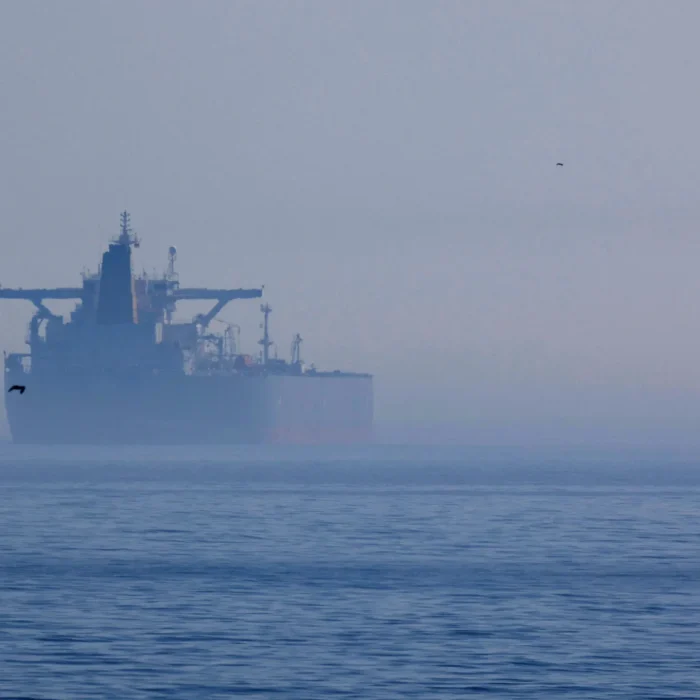
The truce between the United States and Iran took a serious hit Monday after Iranian drones and missiles struck targets in the United Arab Emirates. In response, Washington confirmed that it had sunk Iranian vessels in the Strait of Hormuz, one of the world’s most critical oil shipping lanes.
President Donald Trump did not mince words during a Fox News appearance, warning that Iran would face devastating consequences if it dared to attack American ships protecting commercial traffic in the strait. He used blunt language, saying Iran would be wiped off the map if it crossed that line.
In a separate post on Truth Social, Trump said a South Korean cargo ship had also been targeted in the waterway. He used the moment to suggest that South Korea should consider joining the U.S.-led effort to keep the strait open and secure.
Why the Strait of Hormuz Matters So Much
The Strait of Hormuz is one of the most important chokepoints for the global energy trade. A massive share of the world’s daily oil and gas shipments passes through this narrow stretch of water. Any disruption here ripples almost instantly through international markets, lifting prices and unsettling traders.
With the strait under threat, even brief incidents can send shockwaves across the energy sector. That is exactly what is happening now as both sides exchange military pressure and fiery rhetoric.
Goldman Sachs Flags Regional Supply Risks
Goldman Sachs released a note on Monday cautioning that while global oil inventories have not yet hit critical levels, the speed at which stockpiles are being drawn down is becoming a growing concern. The bank noted that supply is not evenly distributed, which means certain regions are starting to feel the pinch much faster than others.
Easily accessible reserves of refined products are dwindling at a rapid pace, particularly:
- Naphtha and LPG used in petrochemical production
- Jet fuel needed for aviation
- Diesel and other transport fuels in import-heavy markets
Goldman’s analysts estimate that total global oil stocks, including crude and refined products held both on land and at sea, currently amount to roughly 101 days of demand. By the end of May, that buffer could drop to about 98 days. While still above emergency thresholds, the broader figure masks tighter conditions in specific regions and product categories.
The bank highlighted that countries like South Africa, India, Thailand, and Taiwan face higher risks of product scarcity, especially where export restrictions limit how supply flows across borders.
Chevron CEO Warns of Real Shortages Ahead
Chevron Chief Executive Mike Wirth offered a sobering assessment Monday at the Milken Institute Global Conference. Speaking with CNBC’s David Faber, Wirth said the issue is no longer just about high prices. The deeper concern, he said, is whether some regions will be able to access fuel at all in the coming weeks.
According to Wirth, very tight supplies mean that consumers, businesses, and governments may soon face logistical problems on top of cost pressures. He expects the strain to become increasingly visible across the global energy system as the situation in the Strait of Hormuz remains unresolved.
His comments echo a growing fear in industry circles that the impact of the standoff is moving beyond financial markets and into everyday operations such as fuel availability at airports, shipping fleets, and industrial sites.
Markets Watching Every Headline
For traders, this is the kind of environment where every headline carries weight. Oil markets have always been sensitive to Middle East developments, but the layers of risk in play right now are unusually complex. Several forces are working at the same time:
- A fragile ceasefire that could collapse without warning
- Active military operations involving the U.S. Navy and Iranian forces
- Direct attacks on energy infrastructure and commercial vessels
- Tightening regional supply for refined fuels
- Limited ability to reroute shipments quickly enough to ease shortages
Each of these factors alone would be enough to move prices. Together, they create a level of volatility that few analysts expected at the start of the year.
What Comes Next
Analysts say the next few weeks will be critical. If diplomatic efforts gain traction and the strait reopens to normal traffic, oil prices could ease quickly. However, if attacks continue or expand, both Brent and WTI could surge well past current levels, pushing global fuel prices higher and intensifying inflation pressures in import-dependent economies.
For now, the message from markets is clear. Even as oil prices slide today, the underlying mood remains tense. Traders, energy companies, and governments are all watching the Middle East with sharp attention, knowing that one major incident could change everything overnight.
Author