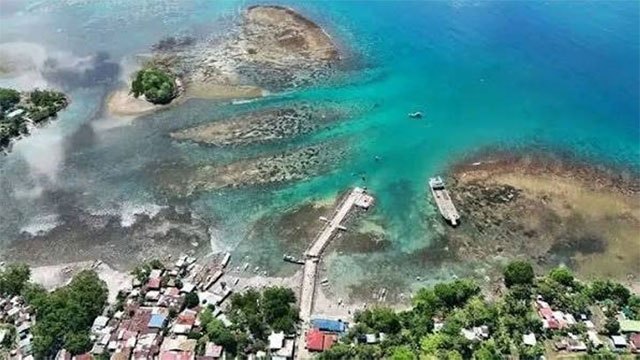
The Philippines earthquake seabed uplift has emerged as one of the most striking consequences of a powerful quake that struck the country this week, leaving at least 61 people dead. Beyond the tragic human toll, the disaster dramatically reshaped the coastline, raising the ocean floor by as much as 2 metres and exposing coral reefs and marine ecosystems to deadly conditions.
A Catastrophic Quake Off Mindanao
The 7.8-magnitude earthquake struck off the coast of southern Mindanao island on Monday, unleashing widespread destruction. According to updated figures from the disaster agency, at least 40 people remained missing in the aftermath.
The scale of the event was immense, and its effects extended well beyond the immediate shaking. The country’s environment department confirmed that the quake physically lifted the seabed, an extraordinary geological outcome with serious environmental implications.
The Seabed Rises by Two Metres
At the heart of this phenomenon was a shifting of the Cotabato trench. According to the Philippine Institute of Volcanology and Seismology, the movement pushed parts of the coastlines of Sarangani and Davao Occidental provinces upward, exposing portions of the sea floor that had originally been submerged.
The institute reported that the mapped uplift measured approximately 2 metres, or about 6.6 feet. This kind of coastal uplift, where land and seabed are thrust upward by seismic forces, transformed familiar shorelines almost overnight.
Adding to the dramatic picture, residents reported that the shoreline had extended outward by as much as 200 metres in some areas, a stark visual reminder of the quake’s raw power.
A Trench Prone to Violent Activity
The Cotabato trench, which lies as close as 50 kilometres off the coast of southern Mindanao, is no stranger to seismic upheaval. The region experiences frequent earthquake activity, underscoring the geological volatility of the area.
That instability was on display earlier in the year. In January, scientists recorded a so-called swarm of thousands of mostly small earthquakes in the same region, highlighting just how active and unpredictable the trench can be.
Marine Ecosystems Left Exposed
The environmental fallout has been severe. A team dispatched to assess the area discovered that long stretches of shoreline, coral reef, and seagrass beds had been pushed above the water and left exposed.
The consequences for marine life were immediate and grim. Once removed from the water, these delicate ecosystems began to perish, taking with them the many creatures that depended on them. The exposed corals and seagrass beds started dying off, along with the organisms living among them, including reef fish, eels, clams, and shellfish.
Images released by the department’s regional office captured the devastation, showing vast expanses of exposed coral littered with dead fish and other aquatic life.
The Scale Remains Unclear
Officials have cautioned that the full extent of the damage is still being determined. Speaking to Agence France-Presse on Sunday, an official explained that it was not yet possible to specify exactly how wide an area had been affected, given the enormous size of the region that would need to be surveyed.
Mapping such a large and altered coastline presents a significant challenge, meaning the true environmental cost may not be known for some time.
How Residents First Noticed
Interestingly, it was local residents who first raised the alarm about the changes to the seabed. Their initial concern was not scientific but deeply practical, they worried they might be poisoned by fumes rising from the decaying sea life left stranded on the exposed reefs.
That concern prompted reports that ultimately drew official attention to the scale of the ecological disruption, illustrating how communities living closest to the coast often become the first witnesses to such dramatic natural changes.
Final Thoughts
The Philippines earthquake seabed uplift stands as a powerful example of how a single seismic event can reshape both human lives and the natural world in an instant. With dozens dead, many still missing, and entire marine ecosystems suddenly exposed and dying, the disaster has left a lasting mark on the region. As survey teams continue their work, the coming weeks will reveal the full scope of the damage, both to the communities of southern Mindanao and to the fragile coastal habitats that sustained them.
Author