A Major Shift in Detention Plans
The Salt Lake City immigrant detention center, once at the heart of heated protests and legal battles, may soon be abandoned. According to a report from The New York Times, the proposed facility is now among several federal sites that officials are planning to offload.
The development marks a significant turn in a controversy that has gripped Utah for months, drawing demonstrations, lawsuits, and intense public debate over the future of immigration enforcement in the region.
Seven Warehouses on the Chopping Block
The report indicates that Immigration and Customs Enforcement intends to dispose of seven warehouses across the country. These properties were originally slated to be converted into immigrant detention centers as part of President Donald Trump’s broader crackdown on illegal immigration.
According to reporter Hamed Aleaziz, the Salt Lake City location is confirmed to be one of the seven sites on the list. Together, these properties were acquired by federal authorities for more than $700 million.
Rather than moving forward with conversions, ICE reportedly plans to either transfer the warehouses to other federal agencies or sell them outright.
What the Government Is Saying
The Department of Homeland Security stopped short of directly confirming whether all seven sites would be offloaded. In a statement to KSL, the agency instead emphasized its intention to rely on existing facilities as it continues its immigration enforcement efforts.
DHS framed its approach around speed and cost. The agency stated that its focus has always been on removing dangerous criminal offenders from the country as quickly as possible, rather than housing them on American soil at taxpayer expense. Officials added that DHS is moving rapidly to use existing detention space in partnership with state and county authorities.
Notably, local leaders appear to have been left out of the loop. Spokespersons for both Salt Lake City and Salt Lake County said they had received no official word from DHS about a possible sale or property transfer, and they declined to comment further on the report.
Inside the Controversial Site
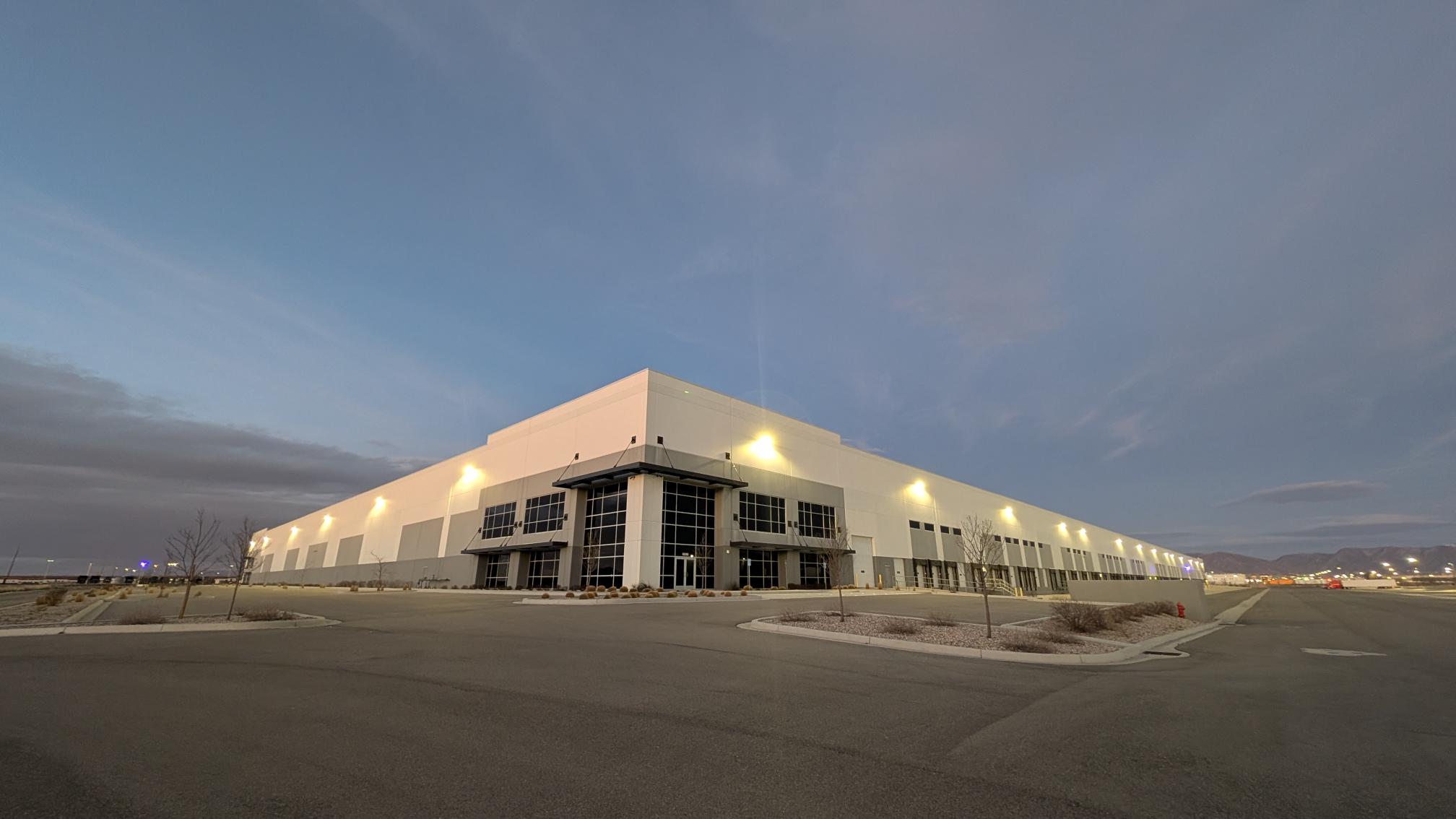
The Salt Lake City warehouse at the center of the dispute is no small structure. ICE purchased the property, located at 6020 W. 300 South, for $145.44 million last March.
The vacant, cavernous building sits in an industrial area west of Salt Lake City International Airport. Spanning an enormous 833,000 square feet, it was intended to be retrofitted to hold as many as 10,000 detainees.
The sheer scale of the proposed facility quickly became a flashpoint for opposition across the community.
Protests, Lawsuits, and Political Divisions
From the moment the acquisition became public, the plan ignited fierce resistance. Numerous demonstrations erupted as opponents voiced their objections, though the proposal wasn’t without supporters. Governor Spencer Cox was among those who backed the idea.
The pushback soon moved into the courtroom. Earlier this month, Salt Lake County and Salt Lake City filed a federal lawsuit aiming to block the plans. At the same time, a newly formed nonprofit group called Uproar Utah began organizing its own legal challenge to halt the initiative.
Faced with mounting legal pressure, a DHS spokesman told KSL last week that the agency’s initiatives were under review, echoing earlier statements about reevaluating its approach.
Leadership Changes Add Uncertainty
The shifting strategy coincides with leadership changes at the top of DHS. The agency emphasized that, as with any transition, it was actively reviewing its policies and proposals.
Officials referenced comments from Secretary Markwayne Mullin, who pledged during his confirmation hearing to collaborate with community leaders and act as a good partner while still delivering on the president’s goals.
Mullin took the helm of DHS after Kristi Noem was removed from the position early last March. When he assumed leadership, department officials revealed that the detention center plans she had championed were being placed under review.
Opponents Celebrate the News
For those who fought the facility, the report brought a sense of relief and vindication. Jim McConkie, a Salt Lake City lawyer involved in the Uproar Utah effort, welcomed the news from The New York Times.
While McConkie acknowledged he had not received independent confirmation that the Utah plans were being scrapped, he expressed confidence in the accuracy of the report.
He praised the collective effort of everyone who spoke out against the facility, framing the issue in deeply moral terms. McConkie argued that government support for such a measure represented a serious failure of ethical leadership for those who believe in the sanctity of human dignity.
Public Pressure Likely Played a Role
McConkie believes the wave of opposition played a decisive role in the apparent retreat. He suggested that DHS officials were steering away from the detention center plans precisely because of the fierce resistance they generated, even in conservative strongholds like Utah.
In his view, the combination of public outcry and looming lawsuits contributed heavily to the decision to pull back from building so many new detention facilities.
Still, the broader effort is not entirely over. The New York Times, citing documents it obtained, reported that immigration officials are still moving ahead with plans to convert four other recently acquired warehouses elsewhere in the country into detention centers.
Local Concerns Beyond Immigration
In Utah, criticism of the project extended beyond questions of immigration policy. Opponents condemned the facility as inhumane, pointing to the large number of people it would have housed.
City and county officials raised practical concerns as well. They worried the facility would strain local water and sewer systems. There were also fears that its heavy water demands could worsen the ongoing drying of the Great Salt Lake, an environmental issue already weighing heavily on the region.
Looking Forward
As of now, the future of the Salt Lake City site remains officially unconfirmed, with local leaders still awaiting formal word from federal authorities. Yet the reported decision to offload the property signals a possible victory for the coalition of residents, officials, and advocates who opposed it.
Whether this marks a permanent end to the detention center plans or simply another chapter in an evolving saga remains to be seen. For now, opponents are cautiously celebrating what they view as a meaningful turn in their long-running fight.
Author