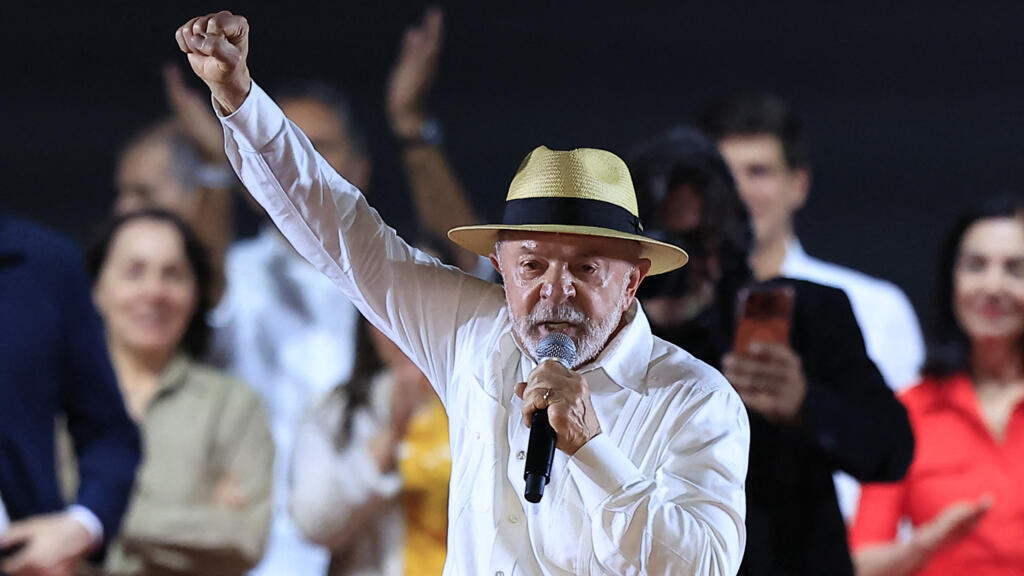
The Lula presidential bid became official this weekend as Brazil’s Workers’ Party gathered in São Paulo to confirm its candidate for October. At 80 years old, Luiz Inácio Lula da Silva is seeking a fourth term, campaigning on a promise to defend Brazilian sovereignty against outside interference.
The framing is not accidental. Pressure from the Trump administration, delivered through trade tariffs, hangs over the entire race.
The Same Contest, a Different Bolsonaro
Brazilian voters face something that looks familiar but is not quite a repeat. The last election set Lula against far-right president Jair Bolsonaro in a bitterly divided country. This time the surname remains, but the candidate has changed.
Lula’s principal opponent is Flávio Bolsonaro, the former president’s eldest son. The 45-year-old senator stepped into the role after his father was convicted over a coup attempt intended to prevent Lula from assuming office in 2023.
It is polarisation by inheritance, with the family standard passed down rather than set aside.
Two Very Different Coalitions
The organisational contrast between the campaigns is stark.
Lula’s Workers’ Party is running alongside six other political forces: PSB, PCdoB, PV, PDT, PSOL and Rede. It replicates the alliance that carried him to victory in 2022, with Geraldo Alckmin of the PSB again standing as vice-presidential candidate.
Flávio Bolsonaro’s Liberal Party has announced no domestic coalition at all. Its declared support comes from abroad, specifically from Argentine President Javier Milei and Israeli Prime Minister Benjamin Netanyahu.
Endorsements from foreign leaders may play well with a segment of the base, but they do not deliver campaign infrastructure or votes in Brazilian states.
A Family Divided Over the Senate
The Liberal Party also nominated former first lady Michelle Bolsonaro as a Senate candidate on Sunday, despite a recent falling-out with her stepson.
With Jair Bolsonaro under house arrest, Michelle and Flávio have been competing for influence over Brazil’s substantial conservative movement. The Senate nomination gives her a platform of her own, which may ease the tension or simply formalise it.
The Trump Factor
The Bolsonaro family has enjoyed backing from US President Donald Trump, who is pursuing an assertive approach to regional influence that commentators have labelled the Donroe doctrine.
Lula has responded by rejecting outside interference outright, stating that Brazil does not accept anyone meddling where they have not been invited.
The dispute has moved well beyond rhetoric. In July, the United States imposed tariffs on Brazilian goods, citing unfair trading practices, an allegation Brasília rejects.
There is precedent. In 2025, encouraged by another of Jair Bolsonaro’s sons, the White House raised customs duties in retaliation for the ruling that sentenced the former president to 27 years in prison. Those measures were eventually withdrawn following Brazilian diplomatic efforts.
Facing the possibility of renewed trade conflict, Lula has built his presidency around sovereignty and will use the campaign to remind voters of his four decades at the centre of Brazilian political life.
The Polls Suggest a Close Race
Nothing about the outcome looks certain.
The most recent Datafolha survey places Lula at 48 percent of voting intentions against 43 percent for Flávio Bolsonaro. It is a lead, but a modest one.
History supports caution. Lula defeated Jair Bolsonaro in 2022 by an exceptionally narrow margin. His path to that victory was extraordinary in itself: a former metalworker and trade unionist who served two terms between 2003 and 2010, spent time in prison over corruption charges that were subsequently dropped, and then returned to the presidency.
Strong Numbers, Unhappy Voters
Lula’s record presents a puzzle common to many incumbents.
His administration has delivered solid economic growth and record employment. Yet households continue to complain about the cost of living, and the budget deficit is deteriorating.
More damaging is security, consistently the leading concern among Brazilian voters and an area where Lula is on the defensive. Tens of millions of people live in neighbourhoods effectively controlled by organised crime, a reality that resists easy solutions and offers his opponent an obvious line of attack.
Corruption Clouds Both Campaigns
Neither candidate enters the race clean.
Flávio Bolsonaro is under investigation over a request for money from a banker himself facing serious financial fraud accusations, allegedly to fund a film about his father.
This week, an inquiry was opened into one of Lula’s sons, known publicly as Lulinha, on suspicion of corruption and influence peddling.
When both sides carry allegations, the issue tends to neutralise rather than decide, though it does little for public confidence.
A Region Moving Right
The Brazilian contest is unfolding against a continental shift.
Peru moved rightward last week with the election of Keiko Fujimori, returning Fujimorismo to power 26 years after her father left office. In June, Abelardo de La Espriella won for the ultra-right in Colombia and, before even taking office on 7 August, pledged to sever relations with Cuba and Nicaragua, close 15 consulates and 14 embassies, and open a Colombian consulate in Jerusalem.
The current balance across the subcontinent stands at seven right-wing governments, in Argentina, Paraguay, Ecuador, Bolivia, Chile, Colombia and Peru, against five on the left, in Brazil, Venezuela, Guyana, Suriname and Uruguay.
What Is at Stake
Brazil is the largest economy and most populous country in Latin America. Its October result will shape the regional balance well beyond its own borders.
The Workers’ Party, founded by Lula himself in 1980, has now formally launched his campaign. What follows is a contest between a veteran defending both his record and his country’s independence, and a younger opponent carrying a powerful name, foreign endorsements, and a divided family behind him.
Author
-
Lucienne Albrecht is Luxe Chronicle’s wealth and lifestyle editor, celebrated for her elegant perspective on finance, legacy, and global luxury culture. With a flair for blending sophistication with insight, she brings a distinctly feminine voice to the world of high society and wealth.