Allegheny County Board Of Health Revises Paid Parental Leave Proposal With Major Changes
Allegheny County paid parental leave plans have undergone a significant transformation since first being introduced, with the Board of Health announcing sweeping revisions this week that reshape nearly every major component of the original proposal.
What’s Actually Changed
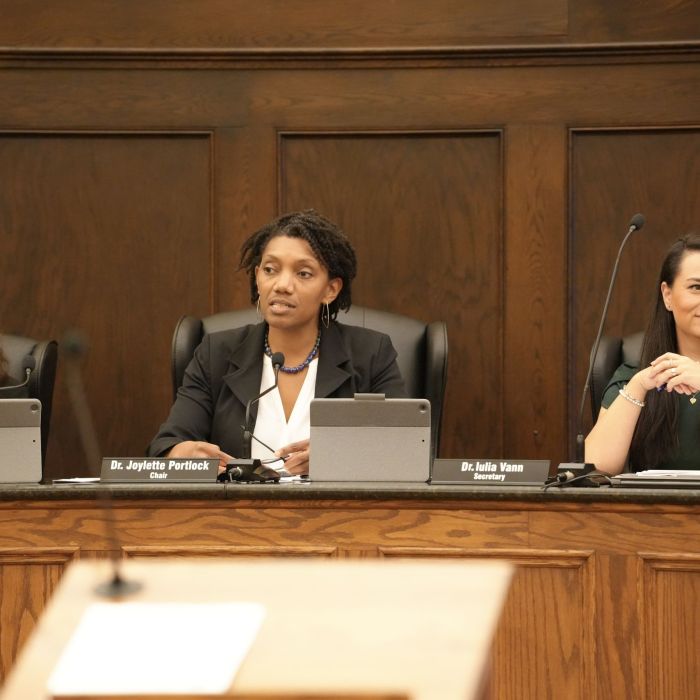
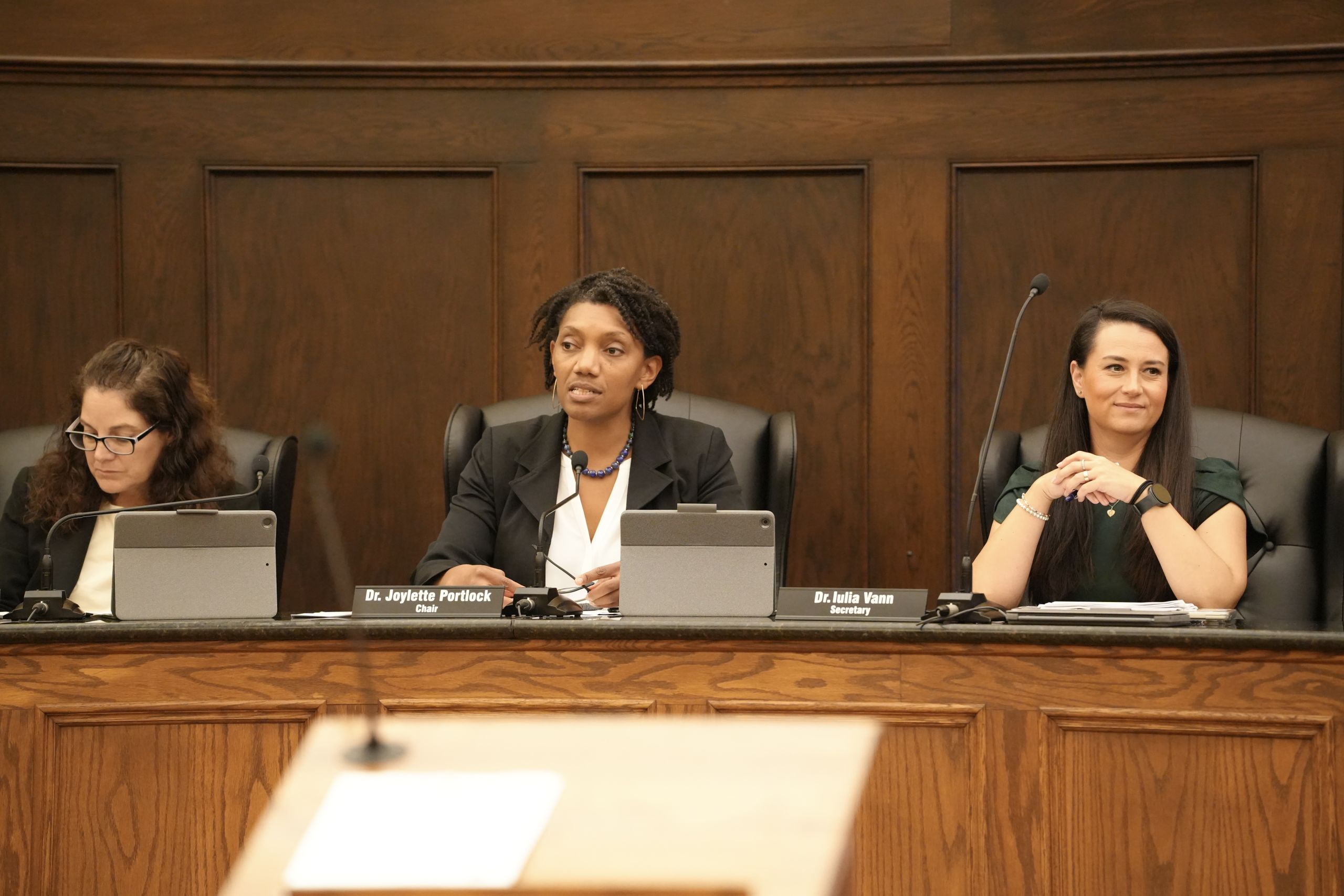
During a courthouse meeting Wednesday, board members laid out several key adjustments to the policy. The most notable change involves the actual length of paid leave available to workers, originally set at 18 weeks, the proposal now calls for just 12 weeks instead.
Small businesses also got a significant carve-out that wasn’t in the initial draft. Companies with fewer than 15 employees would now be completely exempt from the policy’s requirements, and temporary or seasonal workers are excluded as well.
Eligibility requirements shifted dramatically too. Under the original plan, employees only needed to work 30 days before qualifying for paid leave. The revised version pushes that threshold much further, requiring full-time and part-time workers to log six months of employment and 625 total days before becoming eligible.
On the financial side, the proposal maintains full wage replacement, covering 100 percent of a worker’s pay up to a weekly cap of 4,200 dollars. Additionally, stillbirth has now been added as a qualifying event under the policy, expanding who can actually access these benefits.
How The Public Responded To The Original Plan
When Allegheny County first opened the proposal for public comment back in May, reactions poured in from thousands of residents, and opinions were sharply divided. Many supporters pointed to research showing that extended time with newborns strengthens parent-child bonding, improves breastfeeding rates, and benefits infant health overall. Parents showed up at council meetings to share personal stories about returning to work too quickly after having a child, or explained how a lack of financial support was preventing them from starting a family altogether.
On the other side, critics argued the original proposal went too far, worrying it could force local businesses to shut down or discourage people from moving to Allegheny County in the first place. Small business owners generally expressed support for the concept of paid leave but pushed for the policy to be adjusted before implementation.
If this proposal ultimately passes, Allegheny County would become the first county in the nation to establish paid leave for residents in a state that hasn’t enacted similar legislation itself. Pennsylvania lawmakers have discussed comparable bills, but nothing has moved forward at the state level yet.
Implementation Timeline And Business Options
Assuming the board approves the amended proposal, a six-month implementation window would kick in, with a full year allowed to get the policy operational after it’s officially signed into law. Employers would also have the choice to purchase private insurance coverage that includes paid leave benefits, giving businesses a way to offset some of the direct costs themselves.
Personal Stories Driving The Debate
Wednesday’s meeting drew numerous mothers who shared deeply personal experiences to urge the board’s support, describing struggles with mastitis, sleep deprivation, and postpartum depression following childbirth.
Mashell Terney, a mother of two from McKees Rocks, expressed disappointment over the reduction to 12 weeks. She dealt with postpartum depression herself, and when her husband lost his job shortly after their second child was born, she was forced to return to work earlier than she wanted just to keep money coming in for the family. Looking back, she felt that 18 weeks had struck the right balance for situations like hers.
Terney also raised concerns about racial disparities in birth outcomes, noting that Black women face a childbirth mortality rate twice as high as other groups, and that Allegheny County’s overall maternal mortality rate already exceeds the national average. In her view, the amended proposal barely begins to address that gap.
As the leader of Mother Forward, a grassroots advocacy group that’s spent four years pushing for paid leave and affordable childcare policies throughout Pennsylvania, Terney has testified both in Harrisburg and locally in support of the county’s efforts. Still, she feels state lawmakers keep giving the issue the runaround rather than taking real action.
Why The Board Made These Changes
During deliberations, board members brought up two pieces of pending state legislation, House Bill 200 and Senate Bill 906, noting that if either passes, state law would likely take precedence over the county’s own policy.
Kim Joyce, Allegheny County’s deputy director, acknowledged that possibility but argued the county shouldn’t simply wait around. She explained that while state legislation would probably override the county’s policy eventually, taking proactive steps now still makes sense in the meantime.
ACHD Director Iulia Vann walked through the more than 1,500 public comments the board received over recent months, noting that the majority expressed general support, though notable opposition existed too. According to Vann, the biggest point of contention centered on the original funding model, which placed the entire financial burden on employers. While people largely supported paid leave as a concept, concerns about employer-only funding were widespread, a factor that directly led the board to introduce the small business exemption.
Business Owners Push Back On The New Cap
Arman Samii, a small business owner from Friendship who had previously criticized the original proposal as poorly written, understood the reasoning behind cutting leave time from 18 to 12 weeks. However, he took issue with the newly introduced employee cap, arguing it felt arbitrary. He questioned why a business with 16 employees would be considered a public health concern while one with just 14 employees wouldn’t face the same scrutiny.
Samii pointed specifically to coffee shops as an example of businesses that typically employ fewer than 15 people, yet whose workers could genuinely benefit from paid leave protections. He expressed hope that the board remains open to further adjustments before finalizing the policy.
What Happens Next
A special session to vote on the amended proposal is scheduled for noon on September 28th at the Allegheny County Health Department building on Fourth Avenue downtown. If the Board of Health approves the revised policy, it will move directly to County Council for consideration, bypassing any additional public comment period.
Several County Council members have already voiced general support for paid leave policies, though it remains unclear whether they’ll view this particular amended version as sustainable long-term. County Council’s next scheduled meeting will take place the following Tuesday, according to information posted on its official website.
Author