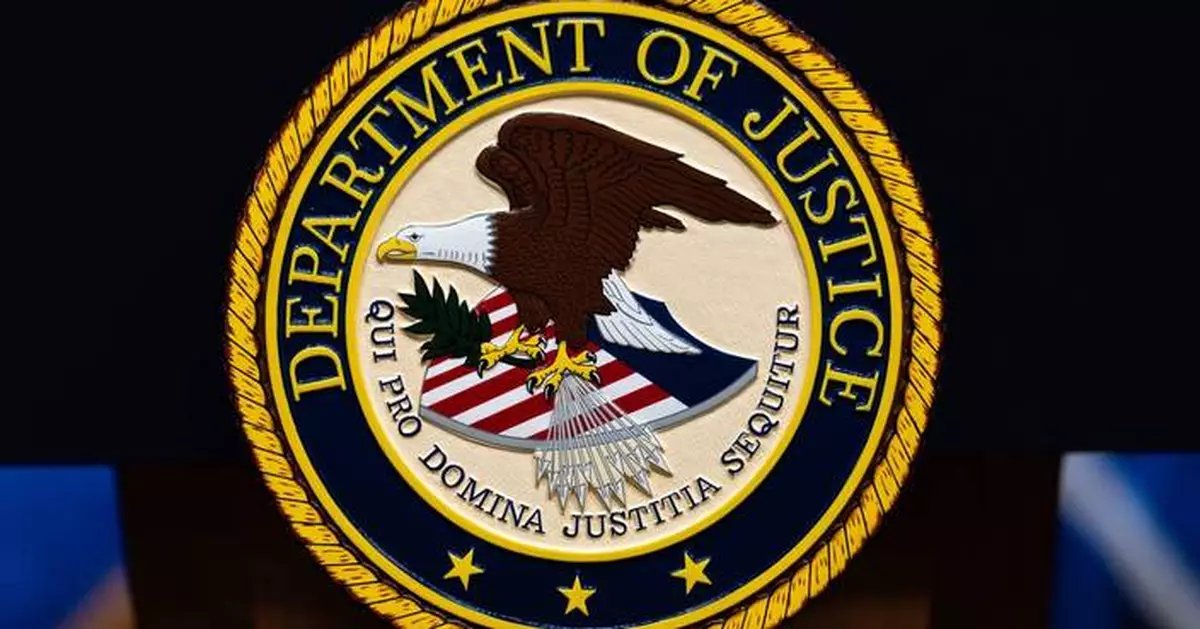
Duke Law admissions practices intentionally discriminated on the basis of race, according to findings released by the U.S. Department of Justice, which says it will seek a settlement with the university and file suit if negotiations fail.
The conclusion came from the Justice Department’s Civil Rights Division following a federal investigation into whether the law school’s admissions process complied with federal civil rights law.
What Investigators Say They Found
The core allegation is not that Duke checked a box marked race. It is that the school built a system that accomplished the same outcome indirectly.
According to the findings, investigators determined the law school deliberately shaped admissions decisions using essay tags and applicant characteristics that correlated with race.
That framing matters. Essay tags typically refer to internal codes or flags applied to application materials, categorizing what a candidate wrote about. If those tags reliably identify race without naming it, the Justice Department’s position is that using them amounts to intentional consideration of race.
Investigators also pointed to outcome data. They found that Black and Hispanic applicants were admitted at substantially higher rates than White and Asian applicants with comparable academic credentials.
That statistical disparity forms the second pillar of the finding. Standing alone, admission rate differences can reflect many factors. Paired with the alleged tagging mechanism, the department argues the pattern reflects design rather than coincidence.
Not the First Federal Look at Duke Law
This investigation follows a separate federal inquiry launched last year into how Duke Law selects members for its law journal.
Journal selection has drawn scrutiny at multiple institutions because the process often blends academic performance with holistic criteria, creating the same category of question now raised about admissions.
The existence of two overlapping investigations suggests federal officials have been examining the school’s selection processes broadly rather than focusing on a single admissions cycle.
Duke’s Response
The university issued a measured statement Thursday, notable mainly for what it does not concede.
A spokesperson confirmed the Civil Rights Division had issued a letter of findings regarding Duke Law’s admissions practices, said the university is reviewing the letter and its conclusions carefully, and stated that Duke is committed to complying with the law and will continue doing so in a manner consistent with its academic mission.
The statement neither accepts nor disputes the findings. That is standard positioning while lawyers assess exposure and settlement leverage.
The phrase about acting consistently with its academic mission may prove significant, since it gestures toward the argument universities have long made about the educational value of a varied student body without restating it directly.
The Legal Backdrop
The finding arrives in an environment reshaped by the Supreme Court’s decision restricting race-conscious admissions.
That ruling did not simply bar explicit racial preferences. It also created the framework for the argument now being made against Duke, namely that institutions cannot achieve through indirect means what they are prohibited from doing directly.
Essays were specifically addressed in that decision. Schools may consider how an applicant’s individual experiences, including experiences related to race, shaped their character and capabilities. What they may not do is treat race itself as a factor by inferring it from essay content.
The distinction is narrow and genuinely difficult to police. An essay describing overcoming discrimination is permissible material about an individual. A system that tags such essays and applies the tag as an admissions factor is, under the Justice Department’s theory, a workaround.
Where This Goes
The department has stated its preference for a negotiated resolution. If Duke declines, litigation follows.
Settlements in cases like this typically involve commitments to modify specific practices, submit to monitoring or reporting requirements, and sometimes retain outside oversight of admissions procedures. They generally avoid an admission of liability.
Litigation would be considerably more consequential. It would put the underlying data before a court, potentially expose internal admissions documents through discovery, and produce a ruling that would apply well beyond one law school.
Why Other Universities Are Watching
The significance of this case extends past Durham.
Most selective institutions revised their admissions processes after the Supreme Court ruling, and many adopted approaches involving essay evaluation, contextual review of applicant backgrounds and holistic assessment.
If the Justice Department succeeds in establishing that correlation-based methods constitute intentional discrimination, the practical effect would be to narrow what holistic review can legally encompass. Admissions offices would face pressure to demonstrate not just that they avoided using race, but that their processes do not function as substitutes for it.
That is a substantially harder standard to satisfy, and it is why a dispute involving one law school’s essay tags is drawing attention across higher education.
Author
-
Lucienne Albrecht is Luxe Chronicle’s wealth and lifestyle editor, celebrated for her elegant perspective on finance, legacy, and global luxury culture. With a flair for blending sophistication with insight, she brings a distinctly feminine voice to the world of high society and wealth.