Memorial Day Travel 2026: Americans Hit the Roads and Skies Despite Soaring Gas and Airfare Prices
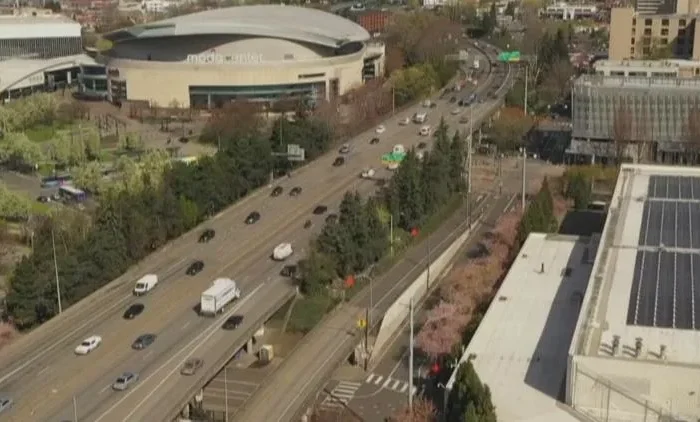
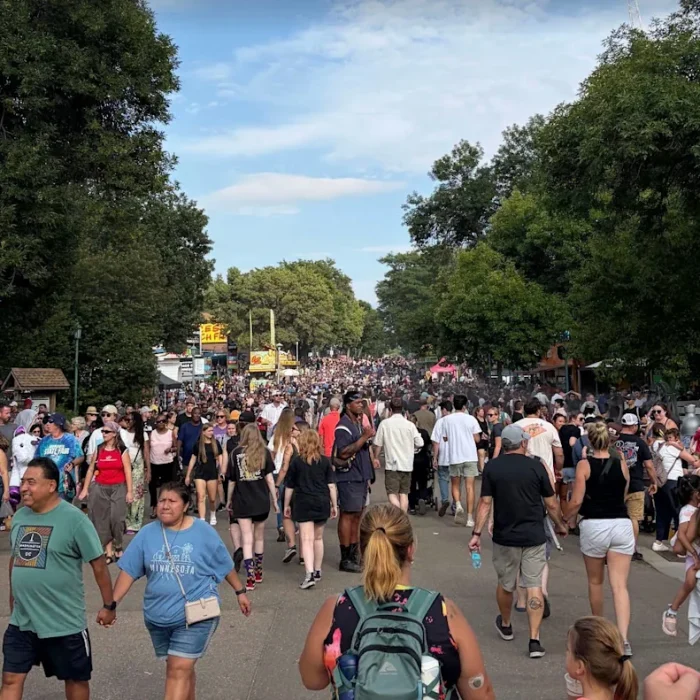
The Memorial Day Travel 2026 weekend is shaping up to be one of the busiest holiday travel periods in American history. Even with gas prices and airfares significantly higher than last year, millions of Americans are choosing to hit the road or take to the skies. Despite economic pressures, travel restrictions in some regions, and ongoing global tensions, the nation’s appetite for getaways remains stronger than ever.
This year’s holiday weekend marks an important moment in U.S. travel trends — one that reflects both the resilience of American consumers and the deep cultural value placed on travel, family, and tradition.
A Record-Breaking Holiday Weekend
According to AAA, a record number of Americans are expected to travel this weekend. Projections show that 45 million people will travel at least 50 miles from home, either by car or by air. This surpasses last year’s record of 44.8 million travelers, demonstrating just how determined people are to enjoy their Memorial Day plans despite rising costs.
This surge comes even as gas prices and airfares hit some of their highest levels in years. From quick weekend trips to long-distance drives, Americans are once again embracing the open road and packed airport terminals.
Soaring Gas Prices Hit Drivers Hard
One of the biggest factors influencing this year’s travel landscape is the steep rise in fuel prices. Gas prices have surged dramatically in recent weeks. As of the Friday leading into Memorial Day weekend, the national average gasoline price stood at $4.55 per gallon. That’s a jump of $1.38 compared to last year and a stunning 53% increase since the start of the war with Iran.
Despite these dramatic price hikes, many drivers continue to hit the road. For some, the trip means too much to skip. For others, planning has shifted to include strategies for cutting costs while still enjoying time with family.
Some of the most popular ways drivers are coping with higher fuel costs include:
- Choosing fuel-efficient vehicles for the trip
- Driving straight through to destinations without overnight stops
- Carpooling with family members or friends
- Limiting unnecessary detours and side trips
- Bringing food and snacks to avoid expensive roadside stops
The Simon family from Long Island is a perfect example. Frantz Simon and his family are making a grueling 12-hour drive to Georgia to attend his grandson’s high school graduation. To save money, they are driving straight through and staying with family rather than booking hotels along the way.
Airfares Climb but Demand Stays Strong
Travelers heading to the skies have not been spared either. Airfares have jumped more than 20% compared to last year, according to estimates from travel booking site Kayak and data from major airlines. Yet airports are buzzing, flights are filling up, and travelers are pushing through the price hikes to make their trips happen.
James Smith is one of those travelers. He paid $550 to fly from New Mexico to Newark, New Jersey, for a holiday weekend with friends at the Jersey shore. For Smith, the cost is worth the experience. He noted that travel is one of the few things he is willing to splurge on, no matter the price.
For many Americans, holiday travel has become more than just a vacation. It is a tradition, a chance to reconnect with loved ones, and a way to break free from the routines of everyday life.
A Surprising Disconnect Between Concern and Action
While many Americans express concerns about gas prices and inflation, those concerns are not translating into reduced travel plans. According to Adam Sacks, president of Tourism Economics at Oxford Economics, this is not unusual.
He explained that there is often a noticeable gap between how Americans say they feel about the economy and how they actually behave when it comes to spending. Historically, even sharp increases in gas prices, like those in 2022, have not significantly reduced leisure or business travel unless other major economic factors come into play.
One important reason is the income disparity in who actually travels. According to Sacks, more than half of leisure hotel spending in the United States comes from households earning $150,000 or more. People who are most affected by high gas and airfare prices tend to travel less to begin with.
Hotel Bookings Show Signs of Softening
While travel as a whole remains strong, some signs of softness are showing up in the hotel industry. Laura Lee Blake, CEO of the Asian American Hotel Owners Association, said many travelers are now finding ways to skip overnight hotel stays in favor of more affordable alternatives.
Common strategies being used by cost-conscious travelers include:
- Visiting family or friends along the route to avoid hotel bookings
- Choosing shorter trips rather than full-length vacations
- Staying with relatives at the destination
- Booking shorter, more strategic stays at hotels
- Looking for last-minute deals or budget-friendly accommodations
These shifts have rippled through the industry. Connie Lear, who manages rental reservations near Yosemite National Park, noted that even her regular guests are scaling back. Instead of booking seven-day stays, many are choosing four- or five-day visits to cut down on costs while still enjoying their time away.
Creative Travel Decisions on the Rise
To deal with rising costs, many travelers are getting creative. Some are using travel rewards, points, and frequent flyer miles to enjoy trips without spending more cash. Others are opting for domestic travel rather than international vacations, which tend to be more expensive in current economic conditions.
John Mercagliano, who lives in a Philadelphia suburb, originally planned to vacation in London with friends. However, the rising cost made the trip impractical. Instead, he used his American Airlines miles to fly to Arizona, where the same group of friends now lives. By rethinking his plans, he was able to maintain the connection without overspending.
This trend reflects a broader pattern emerging across the U.S., where consumers are working hard to balance their love for travel with the realities of higher costs.
Why Americans Keep Traveling
Despite gas prices, airfare hikes, and other economic challenges, Americans continue to prioritize travel for several powerful reasons:
- A growing post-pandemic appreciation for experiences over material goods
- Strong family traditions, especially around major holidays
- A cultural identity built around exploration and freedom of movement
- A robust demand for outdoor adventures and national parks
- Resurgent interest in road trips, which feel more controllable than flying
This deep-rooted desire to travel has made the leisure industry one of the most resilient parts of the U.S. economy. Even during economic uncertainty, Americans tend to find ways to keep traveling, often through creative budgeting and prioritizing certain trips over others.
The Bigger Economic Picture
While millions of Americans are enjoying the long weekend, the broader economic environment is anything but stable. Inflation pressures, the ongoing conflict with Iran, and uncertainty in global energy markets continue to affect everyday spending decisions. These factors are particularly visible in the cost of fuel, which has driven gas prices up sharply over the past several months.
Economists are watching closely to see how high travel costs may eventually impact summer travel as the season unfolds. The expectation is that travel demand will remain strong throughout the summer, although some shifts in behavior — such as shorter trips and fewer hotel stays — may continue.
Final Thoughts
The Memorial Day Travel 2026 weekend offers a vivid snapshot of American consumer behavior in challenging economic times. Even with soaring gas and airfare prices, millions of people are still choosing to travel, fueled by family ties, long-standing traditions, and the universal joy of getting away.
For some, that means cutting back on hotels, driving long distances without stopping, or using points and miles to make travel more affordable. For others, the simple reward of spending quality time with loved ones is well worth every extra dollar spent at the pump or airport.
As the country continues to navigate global tensions and economic shifts, one thing is clear: Americans love to travel, and they will find a way to keep moving — no matter how high the prices climb.
Author