A Key Legal Green Light
A federal judge has cleared the way for a major legal battle over Trump mail-in voting restrictions to move forward. In a significant ruling, a Boston-based judge determined that Democratic-led states and voting rights groups can proceed with their lawsuits challenging President Donald Trump’s executive order aimed at limiting vote-by-mail.
The decision sets the stage for a high-stakes courtroom fight with potentially far-reaching consequences for the upcoming midterm elections.
The Judge’s Reasoning
US District Judge Indira Talwani, who was nominated to the bench by former President Barack Obama, delivered the ruling. She concluded that the potential impact of Trump’s order on the midterm elections meant the plaintiffs’ cases could not afford to wait.
In her written opinion, Talwani emphasized the concrete nature of the order. She noted that it included multiple specific directives requiring federal agencies to take certain actions at designated times. Beyond that, she pointed out that the order demanded definite substantive outcomes that would directly affect the upcoming election.
Her reasoning underscored the urgency of allowing the legal challenge to proceed without delay.
What the Ruling Could Mean
The decision carries weight beyond simply permitting the lawsuits to continue. It could open the door for the judge to block the executive order from being implemented ahead of the midterms.
Such a move would represent a major setback for the administration’s efforts to reshape how Americans cast their ballots. For now, the ruling keeps the legal door open for those seeking to halt the order entirely.
The Origins of the Lawsuit
The legal challenge dates back to earlier this year. In April, officials from 23 Democratic states and the District of Columbia filed suit to block Trump’s executive order curbing voting by mail.
Their core argument centered on constitutional concerns. The plaintiffs contended that the order represented an unconstitutional attempt to interfere with the states’ authority to administer their own elections. The lawsuit framed the issue as a fundamental question of state versus federal power over the electoral process.
The Administration Pushes Forward
Despite the legal hurdles, the Trump administration has shown no signs of backing down. Officials are pressing ahead with plans to disrupt votes cast by mail.
Reporting has highlighted just how disruptive these efforts could become. According to earlier coverage, the US Postal Service could throw the upcoming midterm elections into chaos by requiring states to provide lists of voters who received mail ballots, a requirement outlined in a draft rule.
The potential for confusion and disruption has fueled the urgency surrounding the legal challenge.
The Scope of Mail-In Voting
The stakes of the dispute become clear when considering how widely mail-in voting is used. Nearly one in three Americans voted by mail in the 2024 election, making it a central feature of the modern electoral landscape.
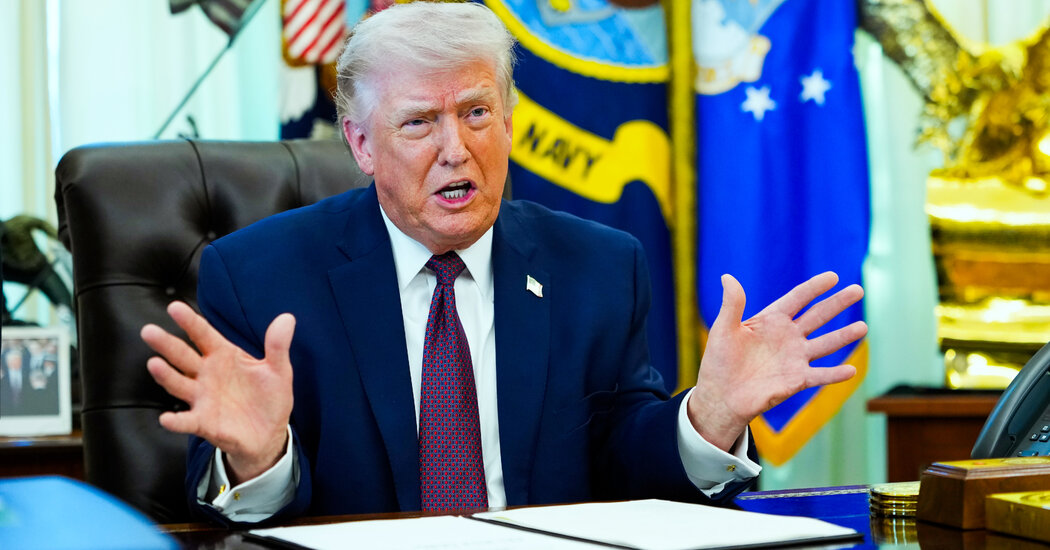
Trump, however, has expressed a desire to restrict the number of voters by limiting ballots cast by mail. In March, he signed an executive order prohibiting the USPS from delivering ballots to any voters not included on a federal list of citizens deemed eligible to vote in each state by the Department of Homeland Security.
The order effectively ties the delivery of mail ballots to federal verification, a significant departure from current practice.
How the USPS Plans to Comply
The Postal Service’s proposal to implement the order adds another layer to the controversy. Under the plan, states would be required to provide the USPS with the names and barcodes tied to mail-in ballots for federal elections.
Before the rule can be finalized, the public has been given 30 days to comment on the proposal. This window offers an opportunity for citizens and advocacy groups to weigh in on a measure that could reshape how mail ballots are handled nationwide.
A New Records System Emerges
Recent developments suggest the administration is moving forward methodically. According to reporting from Democratic election attorney Marc Elias’s Democracy Docket, the USPS filed a notice in federal court on Thursday.
The notice revealed that the Postal Service has begun the process of creating a new records system to track mail ballots. This system is directly tied to the proposed rule, which states that the USPS will only deliver mail ballots to voters who are registered with the federal government.
The creation of such a system signals concrete steps toward implementing the controversial order.
Public Response Pours In
The proposed rule has generated substantial public engagement. The comment period remains open until July 2, and the response has been considerable.
More than 14,000 comments have already been submitted by members of the progressive activist group MoveOn. The volume of feedback reflects the intense public interest and concern surrounding the future of mail-in voting.
Voices of Opposition
Many of the submitted comments express strong opposition to the proposal. One MoveOn member’s comment captured the frustration felt by critics of the rule.
The commenter argued that the proposal to block mail ballots was outrageous, emphasizing that many Americans choose to vote by mail because it is the most convenient or accessible option, and for some, the only option available. The comment asserted that the rule violated each state’s constitutional right and authority to govern its own election matters.
The writer further contended that the executive branch and its agencies have no legitimate role in determining how a state conducts its elections. Pointing to the fact that one in three Americans voted by mail in the last election, the commenter characterized the rule as another attempt by Trump to control, or even hijack, future federal elections by interfering with the rights of legitimately registered voters. The comment concluded with a pointed reminder that the Postal Service’s job is to deliver mail, not to decide who receives a ballot.
A Battle Far From Over
The judge’s ruling represents an important early victory for those challenging the executive order, but the broader fight is only beginning. With the administration continuing to advance its plans and the USPS taking concrete steps toward implementation, the conflict shows no signs of resolving quickly.
As the public comment period continues and the lawsuits move forward, the outcome remains uncertain. The coming weeks and months will likely prove critical in determining whether the order takes effect or is blocked before the midterm elections.
Looking Ahead
At its heart, this dispute touches on fundamental questions about who controls American elections and how citizens are permitted to cast their votes. The clash between federal authority and state autonomy lies at the center of the legal and political debate.
For millions of Americans who rely on mail-in voting, the stakes could hardly be higher. As the legal challenges unfold and public engagement grows, the future of vote-by-mail hangs in the balance, with the resolution poised to shape the landscape of the upcoming midterm elections and beyond.
Author