A Battle Over the World’s Most Vital Waterway
Iran is moving to assert control over the Strait of Hormuz, declaring that ships need its permission and must carry mandatory insurance to cross. Yet even as Tehran issued these demands, the United States reported that 20 ships had quietly slipped through overnight using a route along Oman’s coast.
The contradictory signals have left the global shipping industry scrambling to figure out whether it’s safe to transit the world’s most important energy chokepoint — and what kind of system will emerge now that the US and Iran have reached an interim peace deal to reopen the strait.
Uncertainty Grips the Shipping World
The number of ships crossing with their tracking signals switched on dropped on Friday, following an initial surge and a report of a mine spotted near Oman’s coast. For many shippers and oil producers, however, the bigger worry isn’t mines — it’s money.
Iran’s warning that it reserves the right to charge “insurance fees” threatens to bring a worst-case scenario to life: the prospect of tolls on the Strait of Hormuz.
The Details of Iran’s Demands
According to a document published on the website of Iran’s Persian Gulf Strait Authority (PGSA), the required insurance policy is currently free — but that could change. The authority made clear it could introduce charges in the future, while also insisting that ships follow a specific route passing along Iran’s coast, with all alternatives prohibited.
The document laid out several key requirements:
- Ships must submit requests to the PGSA to receive a passage permit
- Responses are typically provided within 48 hours
- Each permit authorizes only a single transit and remains valid for five days from issuance
- Any deviation from Iran’s fixed corridor would be “treated as a violation”
In its own words, the PGSA stated that the insurance is currently provided free of charge, with all expenses covered by the Islamic Republic of Iran, but that it “reserves the right to introduce insurance fees in the future.” Owners would then be required to purchase and renew coverage accordingly.
Fears of a Dangerous Precedent
The anxiety among shippers and producers has been building, especially since the memorandum of understanding signed with the US stated only that transit would be free for the duration of its 60-day term — leaving the future wide open.
US allies, led by the United Kingdom, are urgently pressing the Trump administration not to accept or normalize Iran’s attempts to introduce fees, according to a senior official. The industry has warned that such tolls would break with international maritime law and set a troubling precedent that could be copied in other strategic waterways around the world.
Ships Sailing in the Dark
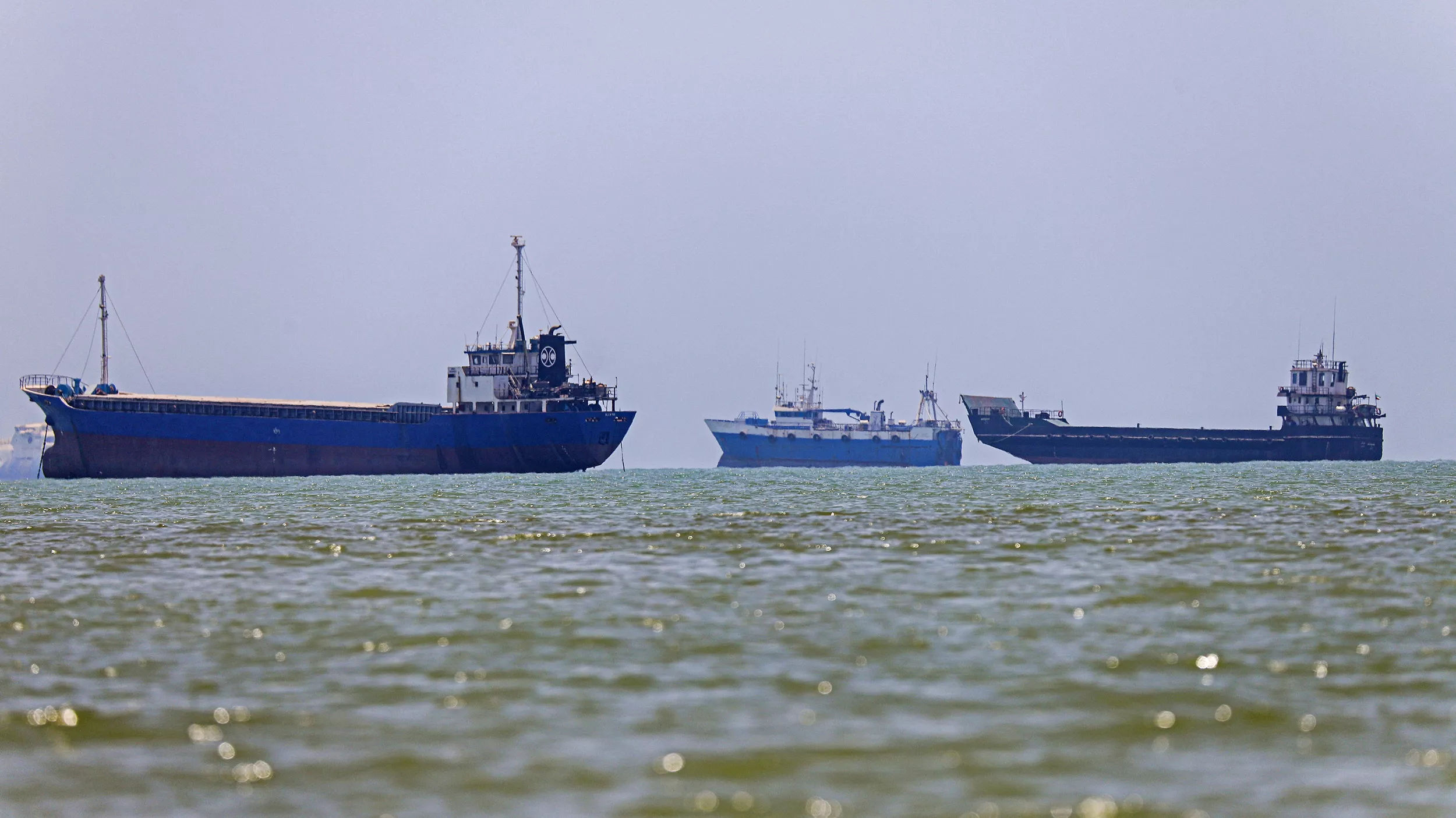
While Iran asserts authority, the reality on the water tells a more complicated story.
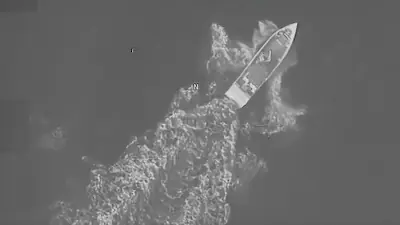
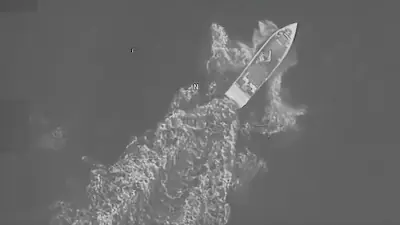
US Central Command said its forces would continue operating to support freedom of navigation in the area “without any arbitrary requirement claims or impediments.” The command reported that more than 20 vessels had traveled through the waterway overnight — implying they did so with their tracking signals turned off.
This practice isn’t new. Even before the peace deal, a growing number of ships had been sailing “dark” through Hormuz, relying on guidance and protection from the US. On Thursday, Western naval groups recommended the corridor along Oman’s waters as the main transit route, signaling that parallel shipping lanes could open while the middle of Hormuz is cleared of mines.
Mixed Signals on the Water
The current situation remains tense and unpredictable, with several developments adding to the uncertainty:
- Visible oil flows were more muted than Thursday, though at least two Indian supertankers were observed crossing
- One Indian supertanker appeared to make a U-turn as it approached Hormuz, according to tracking data
- Pakistan’s navy reported a mine spotted near Oman’s coast, increasing the danger of the non-Iranian route
- Some ships reported hearing Iranian radio broadcasts claiming the waterway was closed on Thursday, though Iran’s foreign ministry later denied this
- Tankers capable of carrying at least 20 million barrels of oil were detected leaving Iran’s port of Chabahar this week
Because millions of barrels have transited dark in recent weeks, the true volume of oil moving through the strait could be significantly higher than visible data suggests.
A Sanctioned Authority With Little Legitimacy
The PGSA itself is a contested entity. Created by Iran during the war, it has since been sanctioned by the United States. Iran’s neighbors have rejected its legitimacy outright and advised shipowners not to interact with the body.
As a result, the new document is unlikely to reassure vessel owners who were already seeking clarity. Shipbrokers and tanker owners noted on Friday that there has been very limited demand to book tankers to load oil from Persian Gulf ports — a necessary step before exports can resume from the region’s installations.
Competing Maps, Competing Authority
The standoff has even extended to the question of which routes are safe. Iran published its own map of the corridors it considers acceptable, warning that any deviation would be treated as a violation.
Meanwhile, Western naval forces published their own recommended coordinates for crossing Hormuz on Thursday, adding that maps showing the latest known mine positions are available on request.
An Unresolved Standoff
The dueling claims over the Strait of Hormuz highlight just how fragile the situation remains. With Iran asserting control, the US backing freedom of navigation, and the shipping industry caught in between, the path forward is anything but clear.
For now, ships continue to navigate cautiously — some in the open, others in the dark — while the world watches to see whether tolls, mines, or diplomacy will ultimately define the future of this critical waterway.
Author