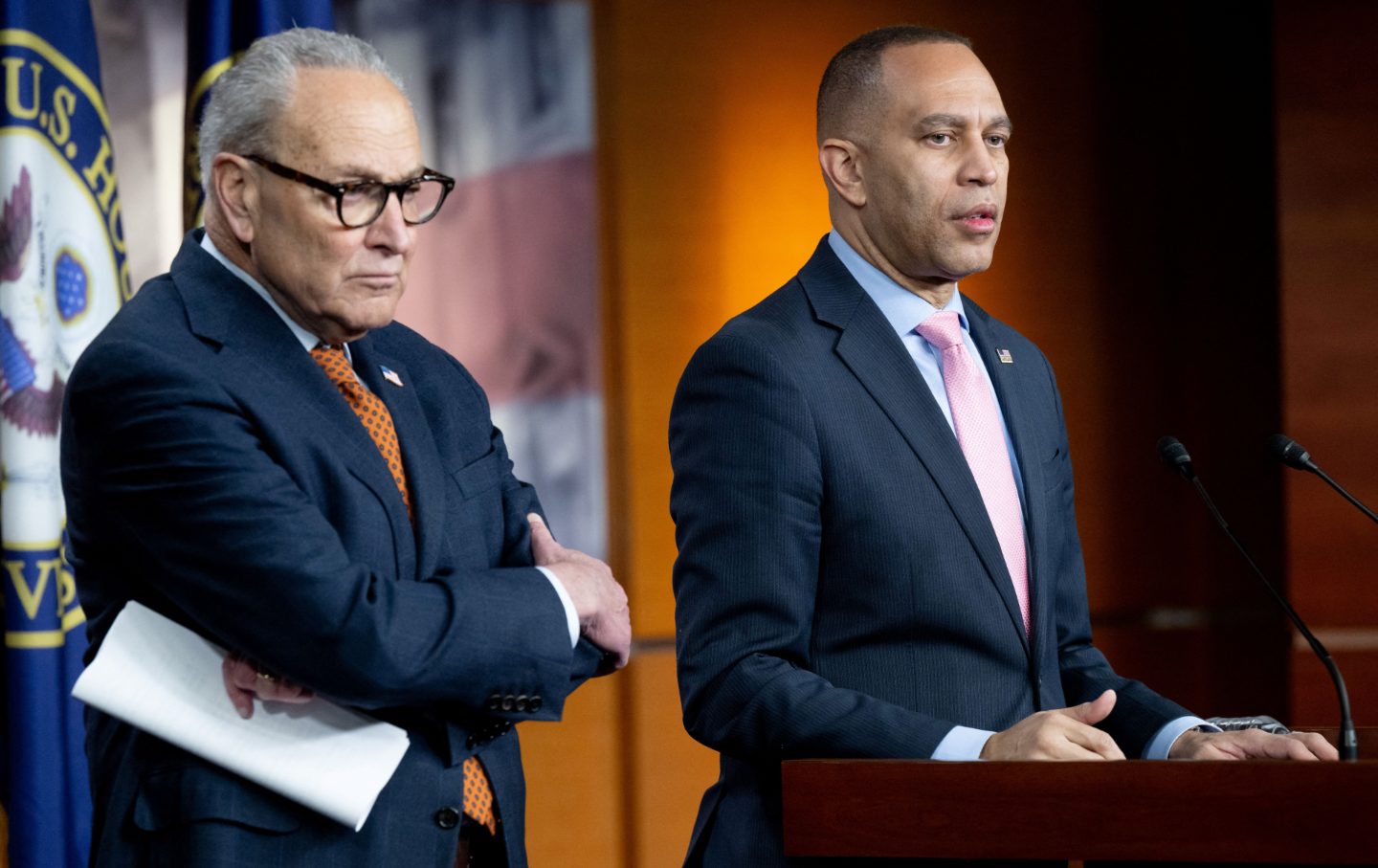
House Democrats progressive divide is deepening, with moderate lawmakers now warning they are ready for “war” if a wave of incoming progressives and democratic socialists tries to seize control of the House floor to extract ideological concessions. The brewing conflict threatens to test party unity at a precarious moment and pile new pressure on Democratic leadership.
A Caucus Bracing for Internal Conflict
Moderate House Democrats are signaling they won’t sit quietly while their party gets pulled leftward. Though these centrists generally align more closely with Minority Leader Hakeem Jeffries than with the progressive wing, they insist they cannot allow the party’s direction to be dictated without a fight.
The language has been notably combative. One centrist Democrat told Axios that organization is essential, arguing that lawmakers can’t simply wring their hands over the situation. A second went further, predicting outright conflict and dismissing the incoming leftist members as bomb-throwers rather than problem solvers.
For Jeffries, the implications are significant. Managing these divisions and keeping the caucus unified heading into 2027 now looms as a far more demanding task.
The New York Wake-Up Call
Tuesday’s New York congressional primaries served as a jolt for many Democrats on Capitol Hill. The results made clear that the progressive movement is gaining real ground.
Among the standout outcomes:
- Democratic Socialists of America members Darializa Avila Chevalier and Claire Valdez both won hotly contested primaries.
- Progressive Brad Lander ousted sitting Representative Dan Goldman.
These three join more than half a dozen other left-wing candidates who have already won primaries this year, with another half-dozen still working to unseat more moderate Democratic incumbents. Combined with the existing “Squad” members and their allies, the result is shaping up to be the most sizable left-wing bloc in Congress so far this century.
The Power of Moving as a Bloc
What makes this shift consequential is the leverage a unified group can wield. There is a strong possibility that these lawmakers, voting together, could block party-line measures to force their demands.
That power is amplified by the math of the current map. Mid-decade redistricting has shrunk the already small number of battleground House seats, meaning any Democratic majority in 2027 would likely be narrow. In a tight chamber, even a modest bloc can hold decisive sway.
This is not a novel tactic. The right-wing House Freedom Caucus has repeatedly used the same approach in recent years, exploiting slim Republican majorities to wring concessions from their own leadership.
The Progressive Argument
Progressives frame their rise as a direct response to voter frustration with the party establishment. Representative Delia Ramirez argued that voters across the country are sending a clear message that they are tired of leaders prioritizing loyalty to the establishment.
She said the Congressional Progressive Caucus has a responsibility to be the strongest voting bloc, taking a stand for working people rather than for the establishment. Echoing that sentiment, Adam Hamawy, a Democratic nominee in a safely blue New Jersey seat, stressed the importance of electing committed progressives who will stand up for what they believe is right.
Moderates Ready to Play the Same Game
Rather than simply resisting, centrist Democrats say they are prepared to deploy the very same strategy using their own substantial numbers. One centrist who spoke anonymously predicted that, given a tight enough majority, a group of moderates would mirror the left’s tactics, refusing to vote for one priority unless they secured another in return.
A senior House Democrat offered a similar forecast, suggesting the centrist Blue Dog Coalition would adopt the same hardball approach if the left moved collectively to force concessions.
Bipartisanship Through Necessity
Some centrists are eyeing another path to break a potential logjam: following the example of moderate Republicans under Speaker Mike Johnson by signing onto discharge petitions, a procedural tool that can force votes around leadership.
One centrist argued that narrow margins may ultimately compel bipartisanship, pointing to how discharge petitions are already reshaping floor dynamics. That lawmaker suggested leadership should embrace the tactic rather than resist it, contending that negotiating with the left rarely ends well because those members will never be fully satisfied.
A Message to Leadership
The internal debate carries a pointed warning for Jeffries about where his true support lies. One centrist lawmaker argued that the minority leader needs to recognize his real base, defining it as the people who will stand with him rather than those positioning to challenge him.
The Bottom Line
The clash between centrists and an ascendant progressive bloc sets up a defining struggle over the Democratic Party’s identity and tactics. With a potentially slim 2027 majority on the horizon, both wings appear ready to use procedural leverage to advance their goals, leaving leadership to navigate an increasingly fractious caucus. How Jeffries balances these competing forces may well determine whether Democrats can govern cohesively or find themselves repeatedly stalled by their own internal battles.
Author