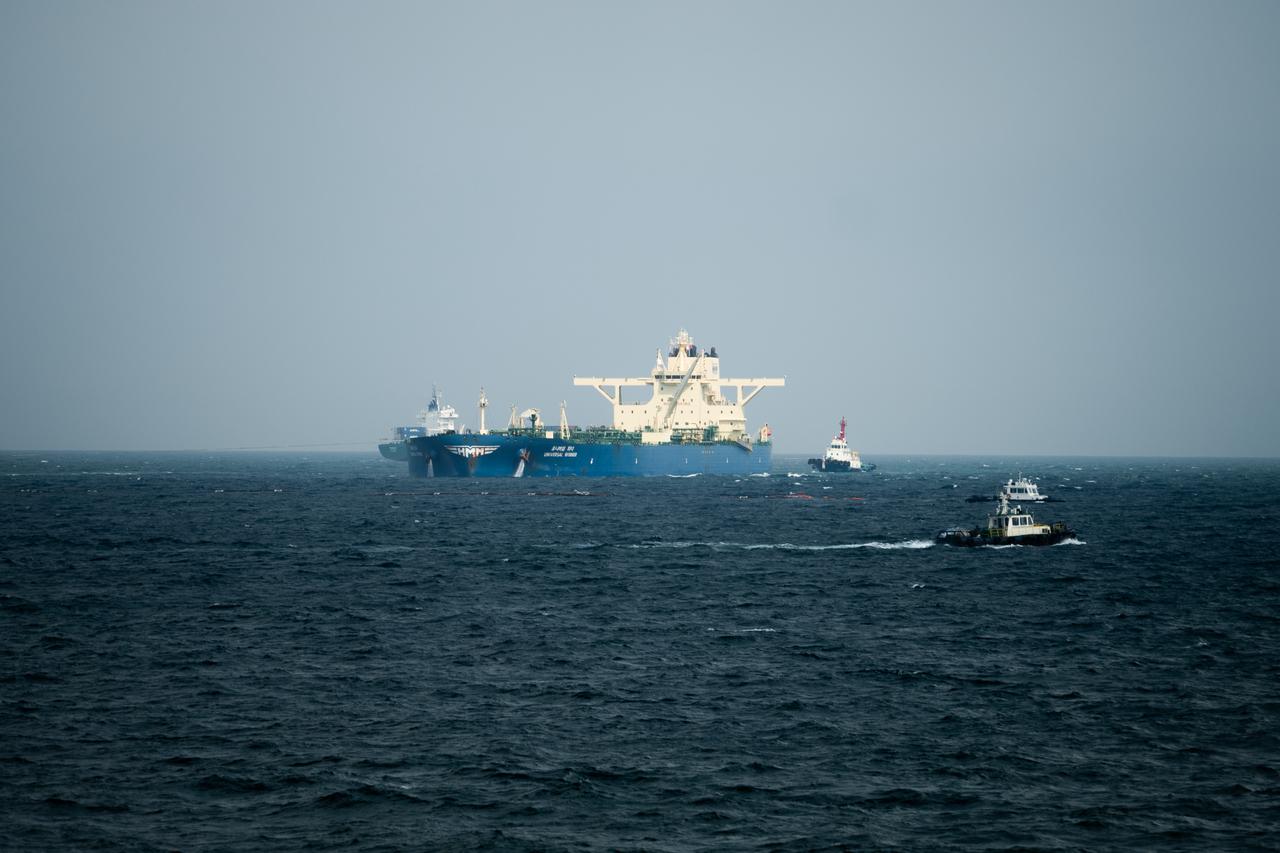
The Strait of Hormuz reopening may look settled on paper, but the reality on the water tells a different story. The head of the world’s largest tanker operator has cautioned that shipowners are unlikely to resume crossings for weeks, holding back until they are convinced the newly announced US-Iran deal is genuinely solid rather than just a promise on paper.
Confidence, Not Just an Agreement
Jotaro Tamura, chief executive of Mitsui OSK Lines (MOL), told the Financial Times that many operators intend to wait before sending vessels back through the strait, even with a deal in place to reopen it.
President Donald Trump has described the route as “safe, secure and pristine,” touting a clear passage through a waterway that has been almost entirely shut since late February. Sunday’s agreement did push Brent crude prices lower, but Tamura was blunt that traffic would not snap back to normal overnight.
In his view, an agreement between governments is only the starting point. What matters, he said, is whether that deal actually translates into real, observable conditions on the ground in the strait, the kind of tangible safety that gives shipping lines the comfort to proceed.
A History of False Starts
Part of the caution stems from experience. Tamura pointed to repeated false dawns over the strait’s reopening since the conflict erupted in late February. Given how often those hopes have fizzled, he said it was reasonable to expect a delay of at least a couple of weeks, and possibly a full month.
His remarks came before Trump formally announced the deal, which is expected to be signed on Friday. But MOL clarified on Monday that the finalized agreement had not altered his assessment.
Why the Strait Matters So Much
The Strait of Hormuz is no ordinary shipping lane. Before the war, it carried more than a fifth of the world’s oil and liquefied natural gas, alongside vital cargoes of grain and consumer goods bound for the Gulf.
MOL itself underscores the scale of what’s at stake. The company operates more than 900 ships, over 200 of which haul crude oil, petroleum products, and chemicals, making it the largest tanker operator in the world by vessel count.
A Logjam of Stranded Ships
The human and logistical toll of the shutdown is mounting. Shipping companies have called on the International Maritime Organization, a UN body, to coordinate the exit of roughly 500 ships that need to pass through the strait to leave the Gulf.
IMO secretary-general Arsenio Dominguez said the organization was weighing whether vessels could transit safely, taking into account hazards like mines as well as the risk of congestion that could trigger accidents. He added that the IMO continued working on a safe evacuation corridor for seafarers who have now been stranded in the Gulf for more than 100 days.
Reactions across the industry have been mixed:
- Hapag-Lloyd, a major container line, called the peace deal “encouraging” and expressed hope that its ships trapped in the strait could depart as soon as the weekend.
- Philip Belcher of the tanker association Intertanko urged a cautious approach, advising vessels to conduct their own ship-specific risk assessments before sailing.
The contrast captures the moment: cautious optimism tempered by hard-earned wariness.
Sneaking Through the Dark
The numbers reveal just how dramatically traffic has collapsed. Before the war, about 135 ships passed through the strait each day. That flow has since dwindled to a trickle, with some vessels resorting to slipping out of the Gulf under cover of darkness, GPS switched off, to avoid detection.
Not everyone has retreated. Despite the back-and-forth strikes, some operators, including the Greek tanker company Dynacom, kept trading throughout the standoff, and a few anticipate a swift return to normal. Tamura’s caution highlights that plenty of others remain unconvinced, even with the ceasefire extended.
The Question of Tolls
Tamura, who stepped into his role in April, took a firm stance against Iran’s attempts to charge ships a fee to pass through the strait. He argued such tolls would violate international rules guaranteeing freedom of navigation.
MOL did manage to move four vessels out of the Gulf before the reopening deal, and Tamura stressed that no fees were paid to Iran. Even so, the company still has at least seven ships waiting to make the crossing.
Who Really Got the Ships Out?
There’s a quiet diplomatic subplot here. Japanese Prime Minister Sanae Takaichi credited Japanese efforts for securing the successful transits. Tamura, however, strongly hinted that other countries deserved the credit, pointing to nations like Oman and India that were connected to the vessels through their flags, customers, or cargo destinations.
In the cases where ships made it through, he suggested, it was often the relevant authorities or governments behind the scenes that worked things out, leaving MOL with what he called some fortunate outcomes.
The Bigger Picture
Beyond the immediate crisis, MOL is navigating its own corporate pressures. Its shares have climbed roughly a fifth in Tokyo this year, valuing the company at around ¥2.1 trillion ($13 billion), as activist investor Elliott Management pushes for changes to lift returns.
For now, the message from the world’s biggest tanker operator is clear: a signed deal is welcome, but trust must be rebuilt before the strait truly comes back to life. This remains a developing story, and the coming weeks, especially around Friday’s signing, will reveal how quickly confidence, and ships, return to the water.
Author