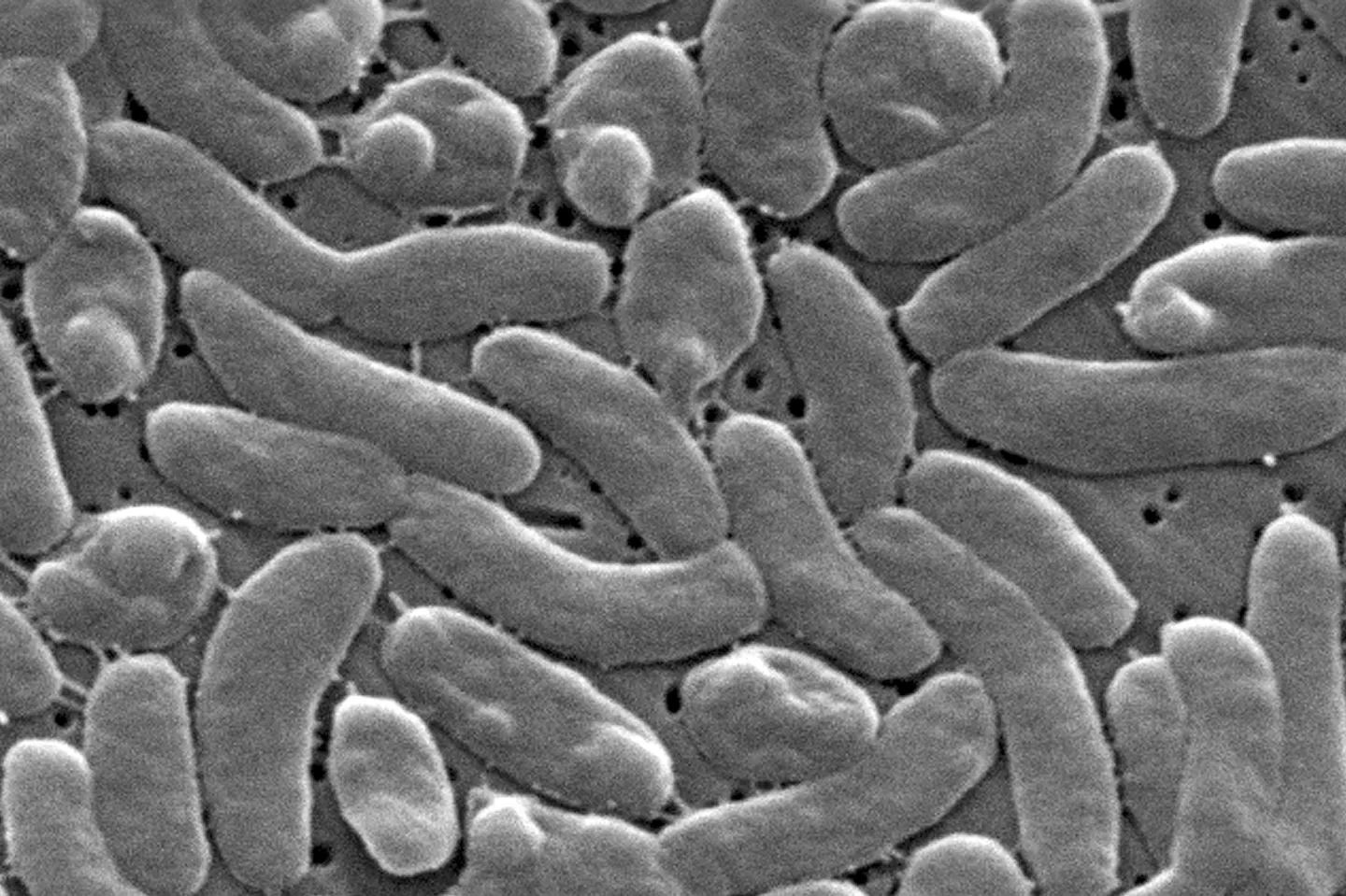
Health officials in Louisiana are asking people heading to the coast to take precautions as Vibrio vulnificus Gulf Coast infections run well above their usual summer pace.
The state health department confirmed nine cases this year. All nine patients required hospitalization, and five died.
For comparison, Louisiana averaged seven cases and one death during the same period across the previous decade. The case count is somewhat elevated. The death toll is the number that stands out.
The Warning Officials Are Giving
The department’s guidance is specific and worth following exactly.
If a wound that has been exposed to brackish or salt water becomes red, swollen, painful, warm or discoloured, seek medical care immediately.
Just as important: tell the healthcare provider about the water exposure. That detail changes the diagnostic picture considerably, and a clinician who does not know about it may not consider Vibrio at all.
Why the Gulf Is Such a Good Environment
Vibrio bacteria live in seawater and in the brackish mixture of fresh and salt water found in estuaries and lagoons.
Most infections occur between May and October, and most occur in Gulf Coast states. The combination of salinity and warmth along the Gulf creates close to ideal conditions for the organism to multiply.
Among Vibrio species, vulnificus is the most dangerous. According to the CDC, as many as one in five of these infections prove fatal, a rate far higher than other members of the family.
Florida, which typically records more cases than other states, has reported 14 Vibrio vulnificus cases and two deaths so far this year, against 33 cases and five deaths across all of last year. State records show case numbers climb in years when tropical storms and hurricanes strike, which stirs up coastal waters and pushes them inland.
How People Get Infected
There are two main routes.
Some people are infected by eating raw or undercooked shellfish, particularly oysters.
A large share, however, become ill through the skin. The bacteria enter through small breaks while a person is in ocean or brackish water. That includes unhealed cuts and scrapes, recent piercings and tattoos, and recent surgical incisions.
The second route is the one people underestimate, because the entry point can be small enough to have been forgotten about.
Who Is Most at Risk
Severe cases appear disproportionately in certain groups.
Doctors report worse outcomes among elderly patients, people with weakened immune systems, and those living with liver disease, diabetes and certain chronic conditions.
Liver disease in particular is strongly associated with severe Vibrio vulnificus infection, which is why physicians often advise people with liver conditions to avoid raw oysters entirely rather than treating it as a matter of personal risk tolerance.
A Range That Keeps Moving North
There is a longer-term pattern behind this year’s numbers.
Scientists say warming conditions are helping these bacteria multiply and expand their range northward. A 2023 study found the northernmost recorded case shifting roughly 30 miles further north each year, alongside a rise in overall case numbers.
That means the geography of risk is not fixed. Coastal areas that historically saw few or no cases are gradually entering the range.
Practical Steps for Beachgoers
The CDC’s guidance is straightforward and effective.
Wash any cuts or scrapes thoroughly with soap and clean running water immediately after contact with coastal waters or raw seafood.
Stay out of brackish or salt water entirely if you have an open wound, a fresh tattoo or piercing, or a recent surgical incision. Waterproof bandages help but are not a guarantee.
Watch for warning signs: fever, chills, and hot red areas on the skin that begin to darken and blister. Those symptoms warrant a doctor immediately, not the following morning.
Handling Seafood Safely
Oysters deserve particular attention because contamination cannot be detected visually. A contaminated oyster looks, smells and tastes exactly like a safe one.
Wash hands with soap and water after handling raw shellfish. People with weakened immune systems who face higher risk should wear protective gloves when handling it.
For clams, mussels and other shellfish, health officials recommend discarding any with open shells before boiling or steaming.
Why Speed Matters
The reason officials emphasise immediate medical attention is that Vibrio vulnificus can progress with unusual speed once it takes hold in tissue. Early antibiotic treatment substantially improves outcomes, while delay narrows the options available.
Nine cases in a state the size of Louisiana is not a reason to avoid the coast. Five deaths from those nine is a reason to take a wound seriously rather than waiting to see whether it settles down on its own.
Author
-
Lucienne Albrecht is Luxe Chronicle’s wealth and lifestyle editor, celebrated for her elegant perspective on finance, legacy, and global luxury culture. With a flair for blending sophistication with insight, she brings a distinctly feminine voice to the world of high society and wealth.