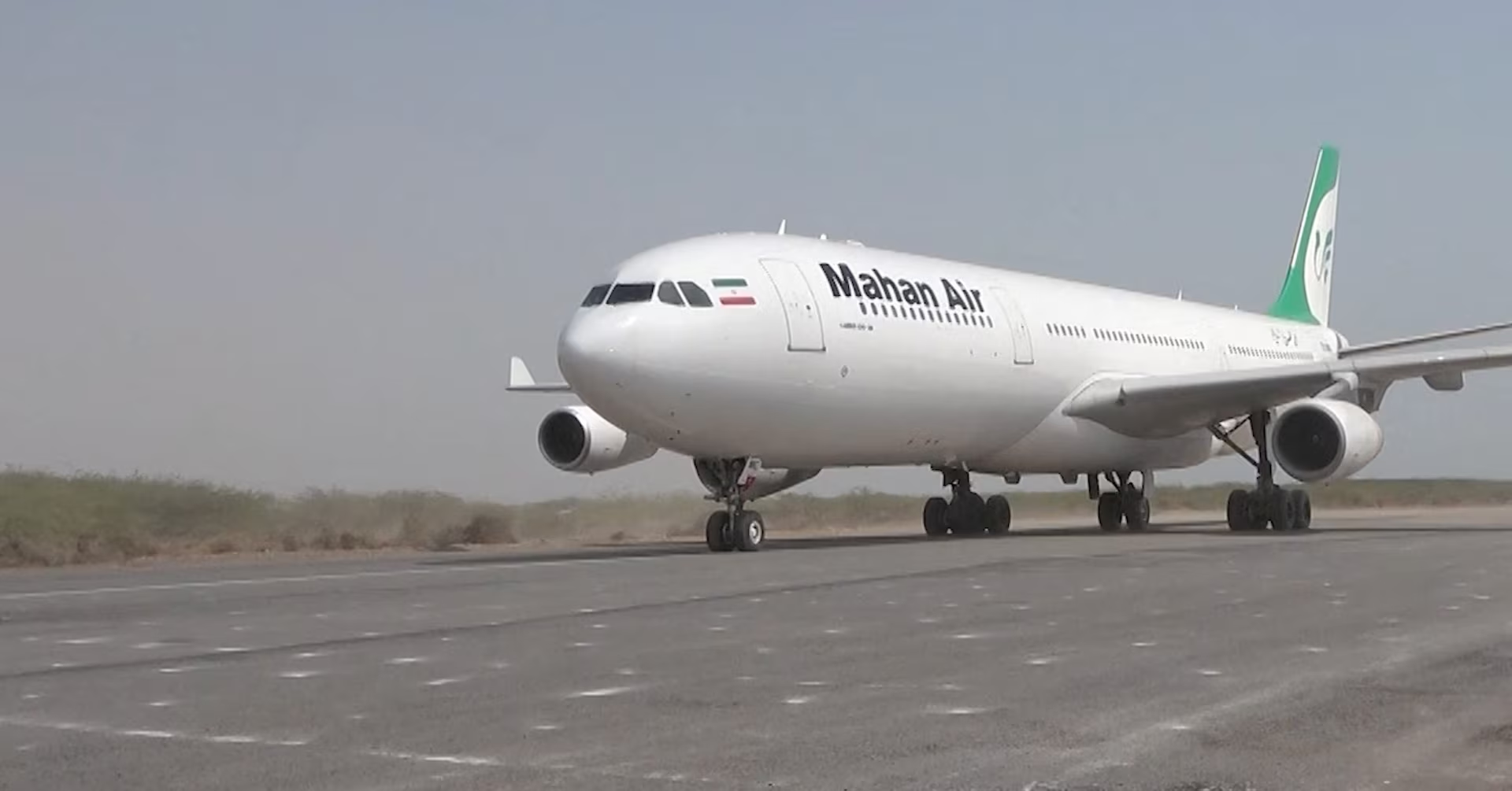
Iraq suspends Iranian flights across its entire airport network as of Friday, marking a significant escalation in the region’s response to looming US sanctions targeting Iran’s aviation sector. According to two sources who spoke with Reuters, both Erbil and Sulaimaniya airports halted all Iranian flight operations starting Friday, following similar moves already taken earlier in the week at other airports across the country.
With this latest action, every Iraqi airport that previously handled Iranian air traffic, Baghdad, Najaf, Erbil, and Sulaimaniya, has now cut off flights to and from Iran entirely. That’s a complete shutdown across all four locations where such flights had been operating, according to both unnamed sources and Iraq’s official state media coverage.
How the Suspensions Unfolded
The rollout happened in stages rather than all at once. Iraq’s state news agency confirmed the Najaf International Airport suspension earlier on Friday, making it the latest addition to a growing list. Days earlier, two separate sources had already told Reuters that Iraqi authorities instructed the country’s civil aviation authority to halt Iranian flights at Baghdad airport, with that suspension taking effect from Wednesday.
Interestingly, officials were reportedly weighing an alternative at the time, rather than shutting things down completely, the government considered simply rerouting Iranian flights away from Baghdad and over to Najaf instead. That workaround, though, doesn’t appear to have held, given that Najaf itself has now joined the list of airports turning away Iranian air traffic.
The Sanctions Pressure Behind the Decision
None of this is happening in isolation. The driving force behind these suspensions traces back to Washington’s announcement that it would impose sanctions on any company worldwide found doing business with Iranian airlines, with a compliance deadline set for after September 23. The stated goal behind this policy is nothing short of grounding Iran’s entire civilian aircraft fleet on a global scale, a dramatic escalation compared to previous, more narrowly targeted sanctions efforts.
For countries and airports with any exposure to international business ties, particularly those wary of running afoul of US financial penalties, the message was clear: continuing to service Iranian flights carried real risk. Iraq’s decision to systematically suspend operations across all four of its airports handling Iranian traffic appears to be a direct response to that pressure, even though neither government has explicitly confirmed the sanctions threat as the sole motivating factor.
Iraq Isn’t Acting Alone
Iraq isn’t the only country in the region falling in line with this sanctions push. The United Arab Emirates, widely regarded as the Middle East’s largest and busiest travel hub, announced its own suspension on Thursday, halting all Iranian airline flights to and from the country until further notice. That’s a significant development given the UAE’s outsized role in regional and international air travel, and it signals that the sanctions threat is having a ripple effect well beyond Iraq’s borders.
Taken together, these near-simultaneous moves by Iraq and the UAE suggest a coordinated, or at least parallel, response to the same underlying pressure from Washington. Both nations appear to be prioritizing compliance with US sanctions policy over maintaining existing aviation ties with Iran, even if that means disrupting established travel routes and inconveniencing passengers who rely on these connections.
What This Means Going Forward
The broader implication here is substantial. If the goal really is to ground Iran’s entire civilian fleet internationally, as Washington has stated, these regional suspensions represent a meaningful step toward that outcome. Iran’s airlines now find themselves locked out of two major aviation hubs in the region, Iraq and the UAE, both of which have historically served as key gateways for Iranian air traffic heading to and from the Middle East.
Whether other countries follow suit remains to be seen, but the pattern emerging this week suggests that the threat of sanctions is proving effective at reshaping regional aviation policy almost overnight. For travelers, airlines, and diplomatic relationships across the region, the coming weeks will likely reveal just how far this compliance wave extends, and whether Iran finds any workarounds to keep its civilian aviation sector connected to the outside world.
Author