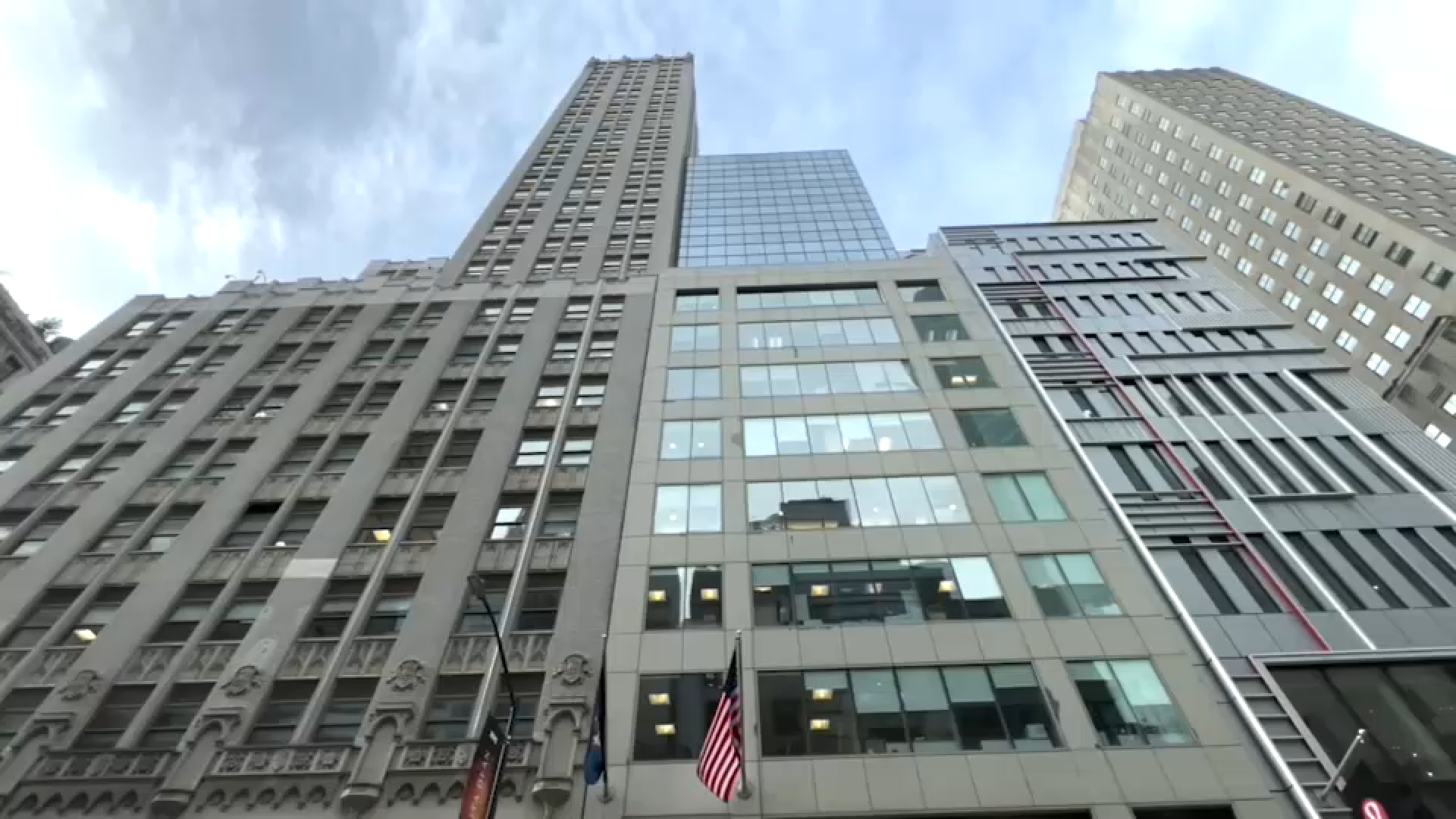
The NYC property tax refund debate has moved from quiet co-op board meetings into open frustration, as owners across the five boroughs argue they have been billed for space their buildings never had. While City Hall pushes a plan to raise taxes on wealthy owners of second homes, a very different group of New Yorkers, longtime residents of aging co-ops and condos, says the city already owes them money and refuses to hand it back.
The Numbers That Started the Fight
The complaint centers on something deceptively simple: square footage.
New York City calculates property tax bills for co-op and condo buildings using a formula that leans heavily on how much livable space a property contains. Get that number wrong, and every bill built on top of it is wrong too, year after year, decade after decade.
That is exactly what residents say happened.
Ellen Silverman lives in a landmarked co-op on the Upper West Side, a building well past its hundredth birthday. Keeping a structure that old standing is expensive, and during a round of repairs her board hired an architect to measure the property properly. What came back stunned everyone involved. The building was roughly 22 percent smaller than the figure sitting in the Department of Finance’s records.
Do the arithmetic across four decades and the overpayment stops looking like a rounding error. It looks like millions.
How Owners Try to Fix the Record
There is an official path for this. Buildings can file what the city formally calls an Administrative Review Application to Correct an Assessment or Tax Due to a Clerical Error or Error in Description. Almost nobody says that out loud. In practice, everyone calls it a Clerical Error Report.
Silverman’s board filed one in 2023. The city accepted the correction and adjusted the building’s recorded size from 119,228 square feet down to 93,759. Going forward, the bills would finally reflect reality.
Going backward was another story.
The request for a prorated refund covering the previous six years, the maximum window the city allowed at the time, was denied. As Silverman puts it, when you overpay at a store, you get your money back. Owners want the same basic courtesy from their own government.
A Pattern, Not an Isolated Case
Across the park on the Upper East Side, Andrew Cavagnaro ran into a nearly identical wall. His building’s recorded square footage was inflated by more than 10,000 feet, later corrected from 148,031 down to 137,852. He believes the mistake had been quietly inflating bills for decades.
His building did receive money back, but only two years’ worth. If the city acknowledges an error existed, his argument goes, then the full eligible period should be honored, not a fraction of it.
The emotional core of his complaint is not really about accounting. It is about the silence. There is no one to call, no one who explains the reasoning, and no one who seems willing to sit down and sort it out.
Just How Widespread Is the Problem?
Stan Russo, a property tax consultant who prepares Clerical Error Reports for buildings throughout the city, estimates the issue affects the majority of the market. After reviewing hundreds of properties, he believes roughly 70 percent of co-ops and condos carry overstated square footage on city records.
He also says the refund side of the equation has effectively dried up. He struggles to recall the last time a building he worked with actually received money back, describing the process as an obstacle course that leads nowhere.
Two developments have sharpened the frustration:
- The refund window was recently shortened from six years to three, cutting potential recoveries roughly in half even when a claim succeeds.
- Corrections are increasingly applied only to future bills, leaving years of overpayment untouched.
Russo’s sharpest criticism is about the double standard he perceives. Refunds are treated as an unearned windfall for owners, yet years of collecting inflated taxes on inaccurate records are never described that way.
Why This Money Matters to Residents
It would be easy to dismiss this as a squabble among Manhattan homeowners, but the practical stakes are more grounded than the zip codes suggest.
Co-ops and condos in older buildings are constantly funding capital work: roofs, elevators, facade repairs mandated by law, boilers, plumbing that predates the residents by generations. That work is paid for through maintenance charges and assessments levied on shareholders, many of whom are retirees or middle-income families who bought in long before prices exploded.
Recovered tax dollars would flow straight into those repair budgets. Denied refunds mean the cost lands on residents instead.
The City’s Response
The Department of Finance declined an on-camera interview and offered a brief written position: owners who disagree with the department’s valuations should take their case to the Tax Commission.
That suggestion sits awkwardly with the residents’ complaint. They are not disputing the value of their homes. They are disputing a physical measurement the city itself later agreed was wrong.
Repeated attempts to get answers from the Tax Commission went unanswered. So did outreach to the mayor’s office over the course of a month.
Where Things Go From Here
With more than 7,000 co-op and condo buildings citywide, even a modest error rate would represent an enormous sum in disputed billing. If the 70 percent estimate holds anywhere close to true, the exposure is far larger than a handful of Manhattan addresses.
Owners are now taking the fight to city and state lawmakers, hoping legislative pressure succeeds where paperwork has not. Their goal is straightforward: restore the six-year refund window, apply corrections in both directions, and create a process that actually responds to the people using it.
Until then, the message from thousands of apartment owners stays the same. A mistake acknowledged should be a mistake repaid.
Author
-
Lucienne Albrecht is Luxe Chronicle’s wealth and lifestyle editor, celebrated for her elegant perspective on finance, legacy, and global luxury culture. With a flair for blending sophistication with insight, she brings a distinctly feminine voice to the world of high society and wealth.